live Israel-Lebanon ceasefire to be extended by three weeks, Trump says - Friday, 24 April
The ceasefire between Israel and Lebanon will be lengthened by three weeks, U.S. President Donald Trump said in a post on social media website...
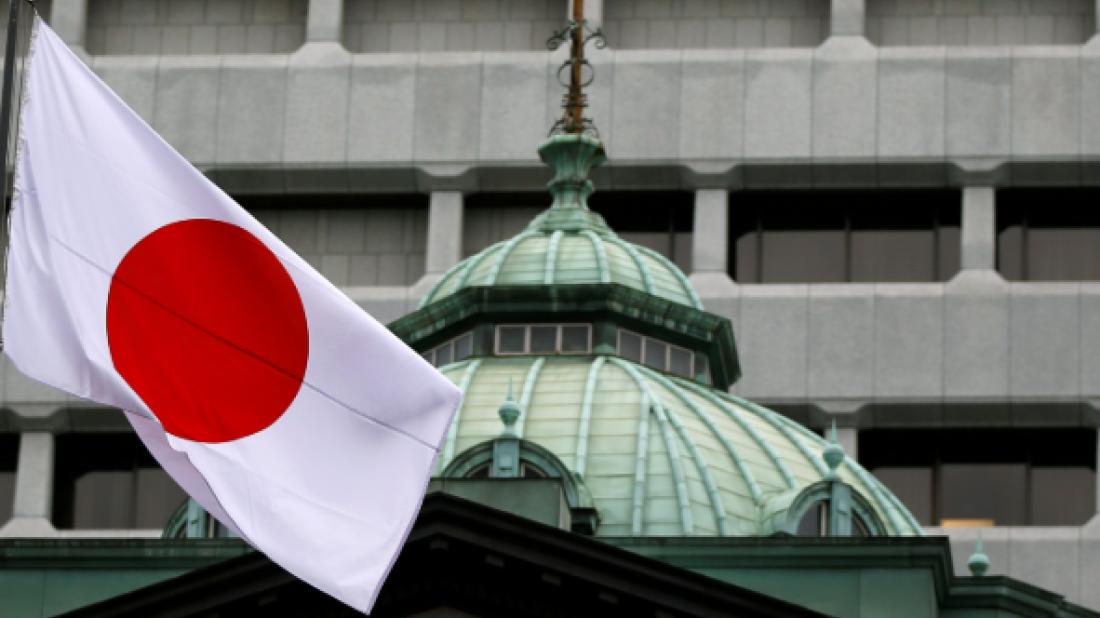
Japan is investing 802.5 billion yen ($5.4 billion) in Rapidus, a chip startup, aiming to reduce reliance on foreign chipmakers and enhance semiconductor production. The move comes amid rising tensions between the U.S. and China, emphasizing Japan’s focus on securing its chip supply chain
Japan is preparing to provide 802.5 billion yen ($5.4 billion) in additional aid to the semiconductor startup Rapidus, underlining Tokyo's determination to bolster its chip supply amidst escalating geopolitical tensions between the U.S. and China. This funding increases Japan's total commitment to the project to 1.72 trillion yen, including another proposed 100 billion yen. Japan’s Ministry of Economy, Trade, and Industry is also seeking debt guarantees to encourage private sector investment in the startup.
Most of the world's advanced logic chips, essential for artificial intelligence, are currently manufactured by Taiwan’s TSMC. This has sparked concerns over global reliance on Taiwan, especially as China claims the island as its own, further intensifying Japan's push to secure its semiconductor supply.
Rapidus, which has backing from major companies like Toyota, Sony, and SoftBank, is set to begin operating a test production line in April, with its first batch of wafers expected by the summer. The company is aiming to begin mass production of next-generation chips by 2027.
In recent years, Japan has committed approximately 5.4 trillion yen to regain its leadership in chip technology. While the country maintains a strong position in silicon wafer production and some chip materials, it has lost ground in the more profitable sectors of chip design and manufacturing, traditionally dominated by the U.S. and Taiwan.
Prime Minister Shigeru Ishiba has pledged additional public support for Japan's chip and AI sectors, with a bill for loan guarantees and government bond issuance linked to the Energy Special Account expected to be introduced in parliament. Japan's government is set to approve 333 billion yen in the upcoming fiscal year to further strengthen these industries.

The U.S. military has intercepted at least three Iranian-flagged tankers in Asian waters and is redirecting them away from their positions near India, Malaysia and Sri Lanka, shipping and security sources said on Wednesday, exclusively to Reuters.
Iran’s Revolutionary Guards targeted three vessels, seizing two of them for alleged maritime violations and transferring them to Iranian shores, as U.S. President Donald Trump said Washington is extending its ceasefire with Iran until Tehran submits a proposal.
Two local trains collided head-on north of Copenhagen on Thursday (23 April), injuring 17 people, five of them critically, according to emergency services.
The U.S. military is redirecting at least three Iranian-flagged tankers after intercepting them in Asian waters near India, Malaysia and Sri Lanka, shipping and security sources said on Wednesday. Meanwhile, Tehran said U.S. breaches, blockades and threats are undermining “genuine negotiations.”
The European Union is preparing its 20th round of sanctions against Russia over the war in Ukraine. The measures are close to being approved, after earlier delays linked to energy concerns in Slovakia and Hungary eased following repairs to the Druzhba oil pipeline.
Russian emergency services have contained a major fire at the Tuapse oil refinery on the Black Sea coast, local officials said on Thursday, ending a four-day effort after a Ukrainian drone strike.
Start your day informed with AnewZ Morning Brief. Here are the top news stories for the 24th of April, covering the latest developments you need to know.
A United States Army soldier has been charged with making more than $400,000 by betting on the removal of Venezuelan leader Nicolás Maduro, according to the Department of Justice.
The European Union adopted its 20th package of sanctions against Russia on Thursday (23 April), introducing sweeping new restrictions aimed at weakening Moscow’s war economy and limiting its capacity to sustain the war in Ukraine.
European Union leaders were set to discuss the bloc’s mutual assistance clause at a summit in southern Cyprus on Thursday, as U.S. President Donald Trump’s criticism of traditional allies raises concerns over his commitment to NATO.
You can download the AnewZ application from Play Store and the App Store.
What is your opinion on this topic?
Leave the first comment