live U.S. aircrafts damaged in Jordan air base strikes as explosions hit southern Iran
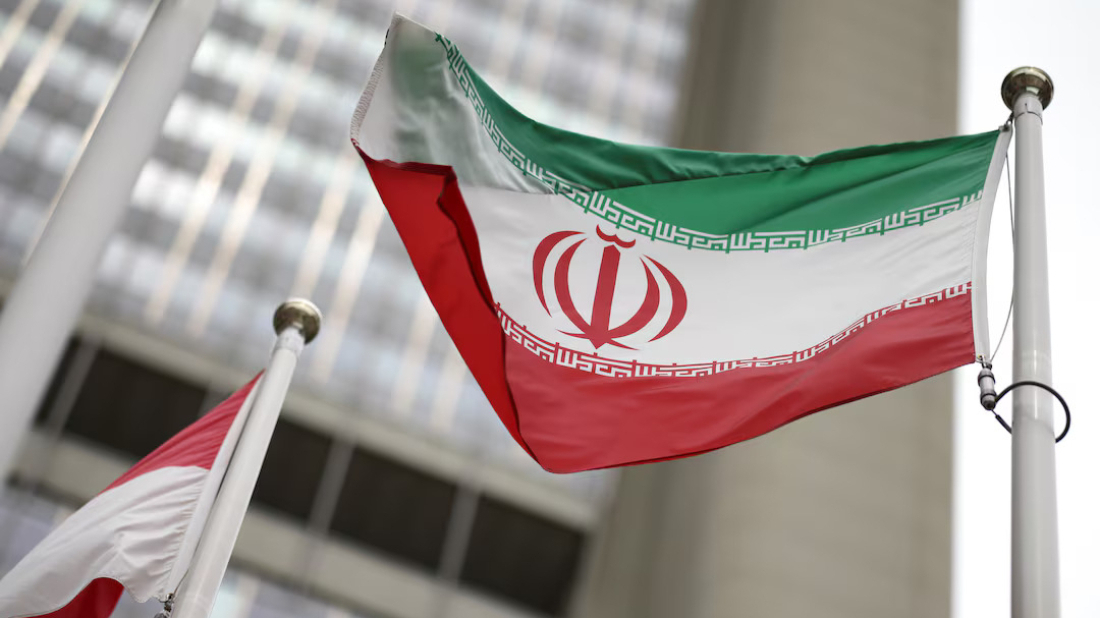
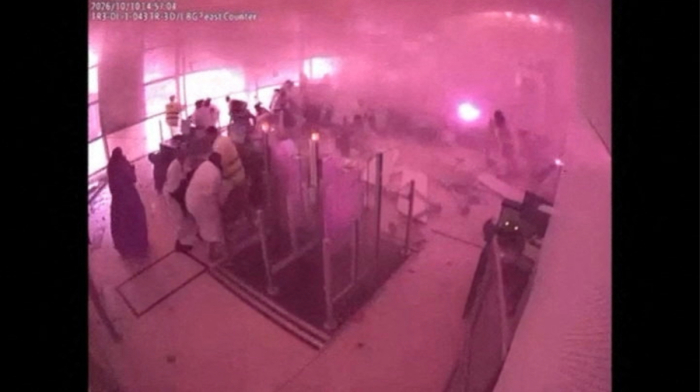
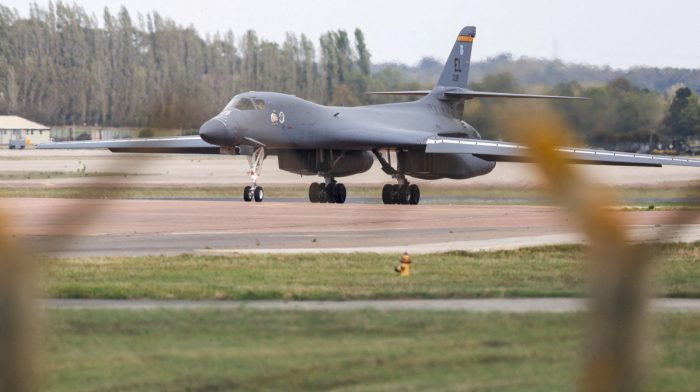
Overnight Iranian strikes on an air base in Jordan damaged multiple U.S. aircraft and left one without a wing, American media reported. Meanwhile, ...
Iranian Foreign Minister Abbas Araqchi warned on Sunday that dialogue with the United States is off the table until Washington makes significant policy changes, according to state media.
Tehran received a letter from Trump earlier this month, giving Iran two months to decide whether to enter new talks or face even tougher sanctions. While Supreme Leader Ayatollah Ali Khamenei dismissed the offer as deceptive, Araqchi indicated that Iran would soon respond to both the threats and the opportunities outlined in the letter.
“Talks are not off the table out of stubbornness,” Araqachi said on Sunday, adding that historical experience has shown the need for change. “Washington needs to recalibrate its policy before we take part in any negotiations.” The minister emphasized that the 2015 nuclear pact, in its current form, no longer meets Tehran’s interests due to the significant advances in its nuclear program. “Our nuclear situation has advanced significantly and we can no longer return to previous conditions,” he said, noting that the existing deal cannot simply be revived.
Araqachi also pointed out that the current U.S. sanctions, part of Trump’s aggressive tariff and pressure campaign, contribute to the impasse. Nonetheless, he maintained that the 2015 nuclear agreement could still serve as a useful basis and model for future negotiations if both sides address their respective issues.
Western powers have long accused Iran of pursuing nuclear weapons by enriching uranium up to 60% purity—a level deemed excessive for civilian purposes. Tehran, however, insists that its nuclear development is solely for peaceful purposes and that it remains committed to its international legal obligations.
As diplomatic tensions persist, Araqachi’s comments underscore Tehran’s readiness to negotiate only if there is a fundamental shift in U.S. policy—a signal that any future talks over Iran’s nuclear program will require substantial concessions from Washington.

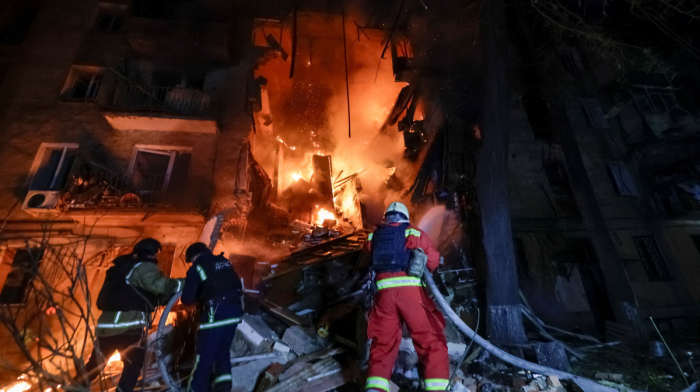
Four people were killed, including a child, in Ukrainian strikes on the Russian port city of Novorossiysk overnight, according to the governor of the Krasnodar region. Ukraine's drone forces commander, Robert Brovdi, said Russian military ships were destroyed in the attacks.
Wildfires have broken out in Türkiye’s Antalya province, forcing hundreds of people to evacuate as strong winds fuelled the flames.
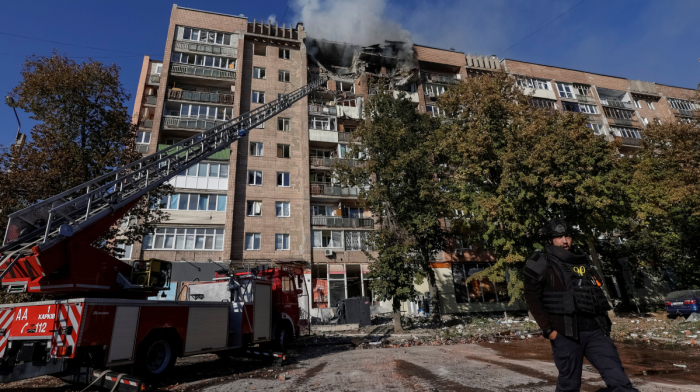
A TV channel was struck during a live broadcast on Tuesday, Ukrainian President Volodymyr Zelenskyy said, as Russian strikes on Kyiv killed at least three people, the city's Mayor Vitali Klitschko said. Meanwhile, drones hit civilian infrastructure in Russia's southwestern Saratov region.
U.S. Central Command (CENTCOM) said its forces destroyed five Iranian crude oil carriers after the Islamic Revolutionary Guard Corps (IRGC) allegedly launched two ballistic missile attacks against a U.S. Navy warship over the past two days.
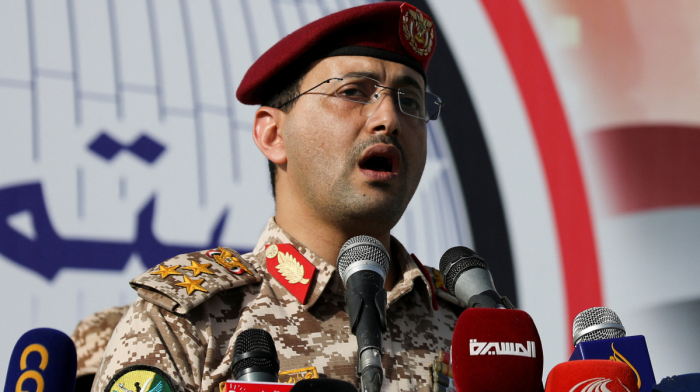
Iran’s Revolutionary Guards (IRGC) said on Wednesday they attacked two U.S. vessels and eight oil tankers in the Persian Gulf, calling the strikes a response to a U.S. attack on five Iranian tankers.
Ukrainian forces struck a Russian oil refinery in Siberia and a seaport in Dagestan in the past 24 hours, President Volodymyr Zelenskyy said. He will meet Canadian Prime Minister Mark Carney on Thursday to discuss air defences for Ukraine over winter.
Iceland’s government plans to introduce legislation in February to permanently ban commercial whaling, potentially leaving Norway and Japan as the world’s only countries still allowing the practice.
U.S. President Donald Trump put himself and the Iran war at the centre of the Republican midterm campaign on Wednesday, rallying voters in Dallas with promises of cash payments and a prediction that the conflict would end after November’s elections.
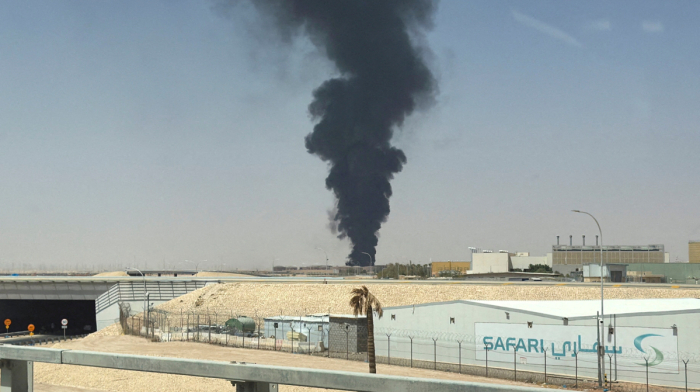
Oil has crossed the $100-a-barrel mark again, but for Gulf countries this is not simply good news. Brent reached about $100.07 on Wednesday, its highest level since July, as the U.S.-Iran war and attacks on Saudi energy facilities raised fresh fears about supplies.
Start your day informed with the AnewZ Daily Brief. Here are the top stories for the 10th of September, covering the latest developments about AI and technology.
You can download the AnewZ application from Play Store and the App Store.
What is your opinion on this topic?
Leave the first comment