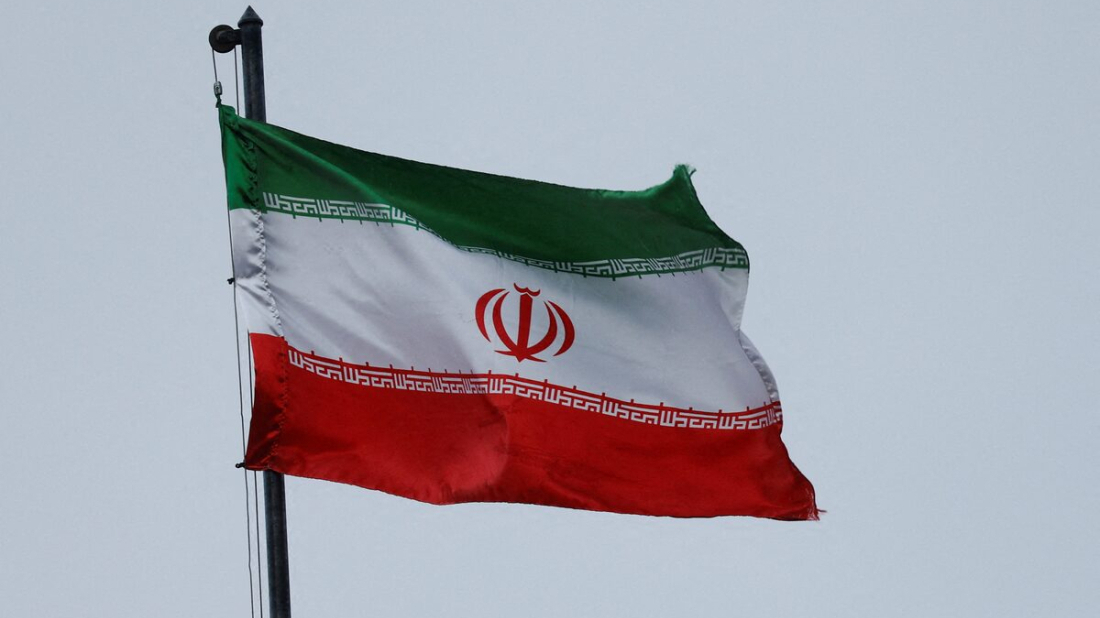
The Iranian President Masoud Pezeshkian left Tehran on Monday (18 August) for Yerevan on a two-day state visit during which he will also pay a visit to Minsk which according to official sources aim at deepening bilateral relations with Armenia and Belarus.
Before his departure, he stated at a meeting on Sunday reviewing Iran’s relations with Armenia and Belarus that the visits are meant to facilitate relations of the private sectors and accelerate implementation of agreements and major projects, especially joint investment projects.
“Cooperation documents and joint memorandums of understanding in various fields between Iran, Armenia, and Belarus which are ready to be signed were analysed to pave the way for their faster implementation,” read a statement on the website of the President’s Office.
According to Mehdi Sanaei, political advisor to the president, the visits were scheduled for late June but were postponed due to Israel’s military aggression followed by the U.S. bombing of Iran’s civilian nuclear centres.
In the meantime, President Pezeshkian’s visit to Yerevan has gained additional significance as Azerbaijan and Armenia -- both Iran’s neighbouring countries -- signed a peace deal on 8 August in Washington including an agreement on construction of the Zangezur transit route.
On the eve of President Pezeshkian’s departure to Yerevan, Foreign Minister Abbas Araghchi said the geopolitical landscape of the Caucasus highlights the strategic importance of the Iran-Armenia ties and their interests.
“Iran remains committed to supporting peace and stability in the South Caucasus and believes that the security, welfare, and prosperity of Armenia are in line with the interests of the Islamic Republic of Iran; a matter that contributes to broader neighborhood stability,” IRNA News Agency quoted him saying.
Iran has welcomed peaceful settlement of disputes in the Caucasus but stresses it has serious concerns that its land access to Europe via Armenian and Russian territories may be cut off in the wake of launching of the Zangezur Corridor.
Foreign Ministry Spokesman Esmaeil Baghaei said in a radio interview that Iran closely monitors developments in the region and added certain statements aim at disrupting Iran's relations with the countries of the South Caucasus.
Referring to the peace deal between Armenia and Azerbaijan, he noted that its Article 12 stipulates no foreign military forces will be stationed along their shared borders.
“We are highly sensitive about that matter, as Armenia itself is aware of the consequences of foreign forces’ presence,” Baghaei added quoted by Mehr News Agency.
Tehran has close diplomatic relations with both Yerevan and Minsk which strongly condemned the Israel-US airstrikes against Iran and bombing of its nuclear facilities last June.
President Pezeshkian will visit Minsk on the second leg of his visit as Iran and Belarus maintain a growing strategic partnership, built on shared economic and political interests as well as a growing convergence of security interests.
Their statesmen have expressed a desire to strengthen ties and increase cooperation in various sectors with a focus on expansion of trade and economic ties as well as the academic and defence sector.












What is your opinion on this topic?
Leave the first comment