Israel launched airstrikes on southern Lebanon after ordering evacuations, accusing Hezbollah of rebuilding its forces despite a year-old ceasefire, as Lebanon and the United Nations warned of renewed border tensions.
The Israeli military said the strikes targeted Hezbollah facilities and accused the group of trying to restore its armed network in southern Lebanon. The attacks followed evacuation orders issued for villages including Aita al-Jabal, Al-Tayyiba, and Tayr Debba, as well as other nearby areas.
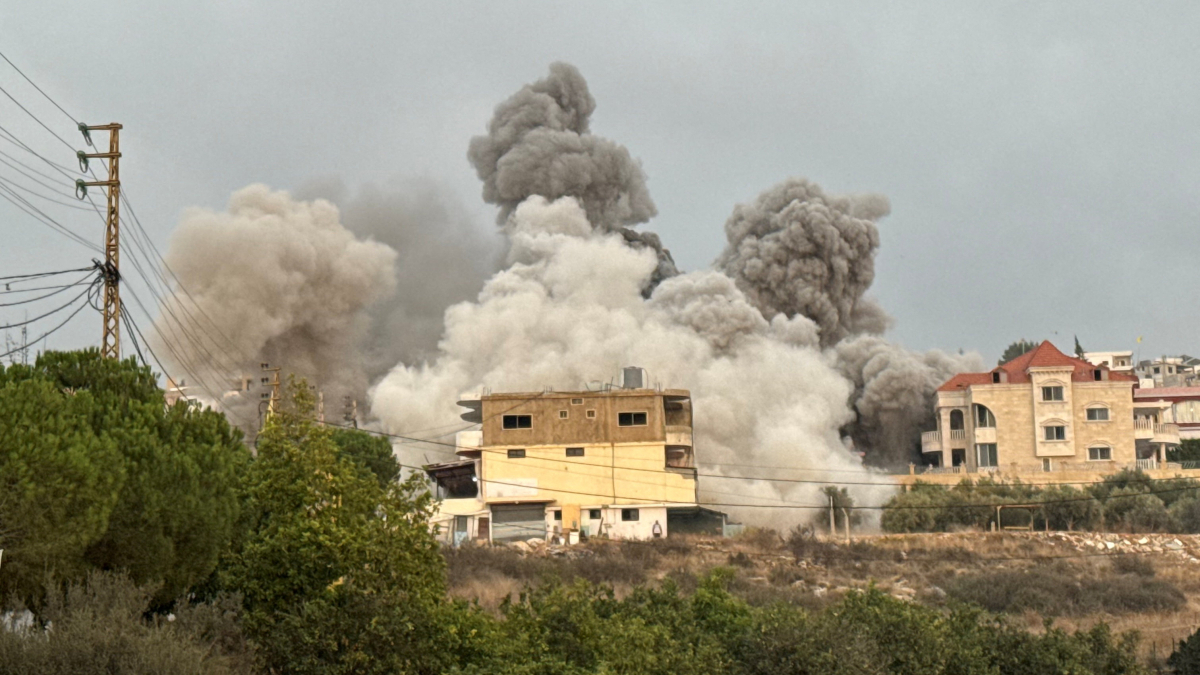
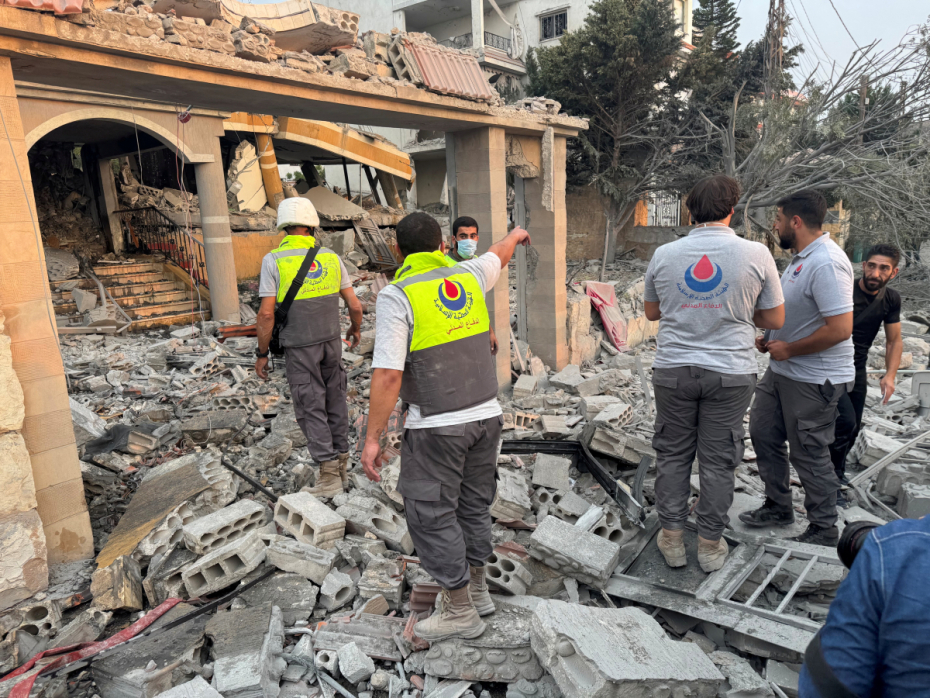
Israeli military spokesperson Avichay Adraee announced the orders on X at 3 p.m. local time (1300 GMT), sharing maps that marked buildings within the targeted zones. Residents were told to stay at least 500 metres away. Lebanon’s civil defence said it helped people evacuate from the area, and about an hour later, airstrikes began, sending thick plumes of smoke into the sky.
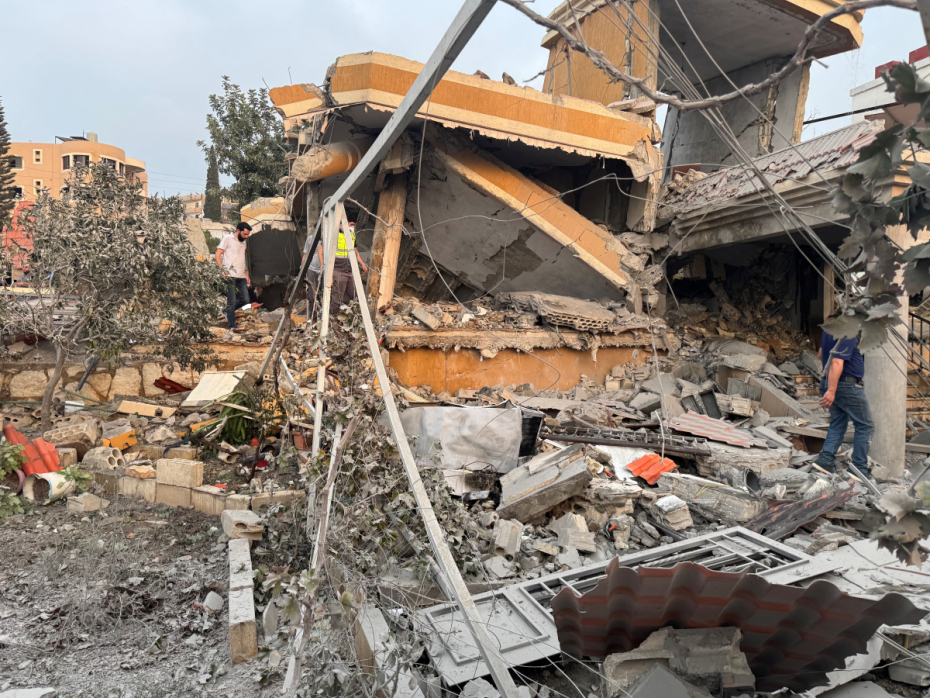
Lebanon’s health ministry reported one person killed in the morning and seven wounded later in the day. In the southern town of Abbasiyeh, one of the strikes destroyed an ironworks shop.
“This shop was supporting five to six households,” said owner Ahmad al-Kayyal. “What does a blacksmith do? Chairs, tables, doors, windows, railings—that’s the blacksmith’s job.”
Israeli government spokesperson Shosh Bedrosian said Israel would not allow Hezbollah to rearm or recover the military strength it lost in the 2023–24 conflict.
“Israel will continue to defend all of its borders, and we continue also to insist on the full enforcement of the ceasefire agreement between Lebanon and Israel,” she said.
Hezbollah responded that it remained committed to the ceasefire but retained a “legitimate right” to resist Israel. The group said it had not fired on Israel since the truce came into effect last year and had not obstructed Lebanese army operations in the south.
Earlier on Thursday, Lebanon’s cabinet met to hear an update from army commander Rodolphe Haykal on progress in confiscating Hezbollah weapons in the south. Two senior Lebanese security officials told Reuters before the strikes that the army was making faster progress and aimed to complete the disarmament process by year’s end.
The Lebanese army condemned the airstrikes as “a continuation of the enemy’s destructive approach aimed at undermining Lebanon’s stability and widening destruction in the south.”
The UN Interim Force in Lebanon (UNIFIL) said the strikes were “clear violations” of Security Council resolution 1701 and urged both sides to avoid escalation.
Fears have been rising in Lebanon that Israel could resume a broader bombing campaign.
“We are in a very dangerous situation; if things keep heading this way... then all hope is lost. No one knows where the consequences of these matters will lead,” said Farid Nahnouh, mayor of Tayr Debba.













What is your opinion on this topic?
Leave the first comment