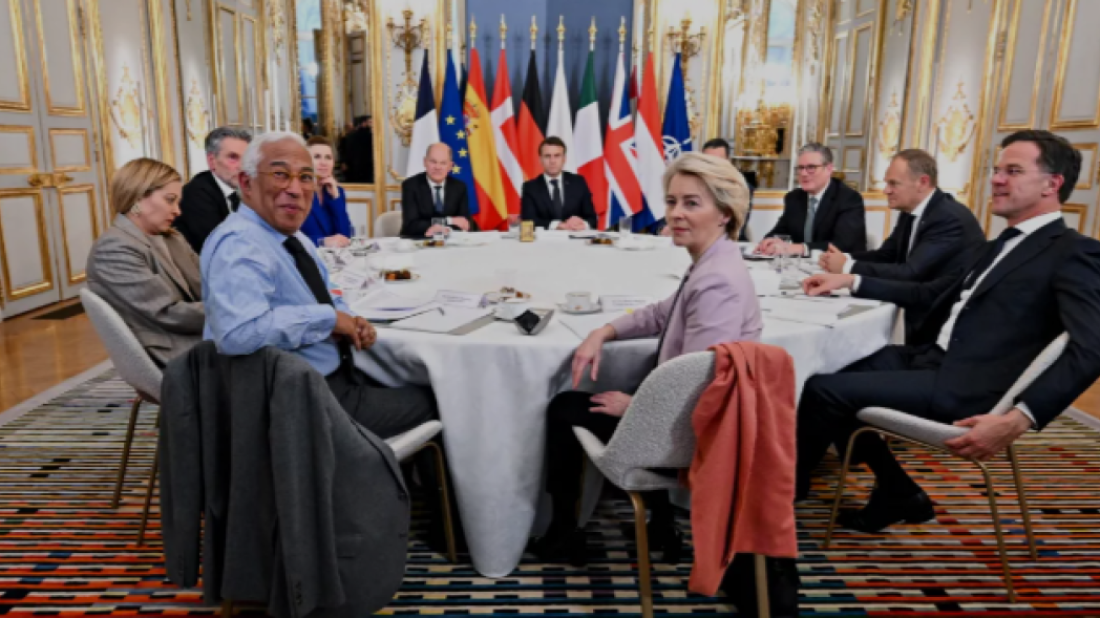
EU leaders are set to discuss critical defense and military support for Ukraine at a two-day summit in Brussels, with a key proposal to pledge 5 billion euros in artillery shells, as tensions rise over Russia’s aggression and growing concerns over the EU’s own defense capabilities.
EU Leaders Debate Military Support for Ukraine and Strengthening European Defense
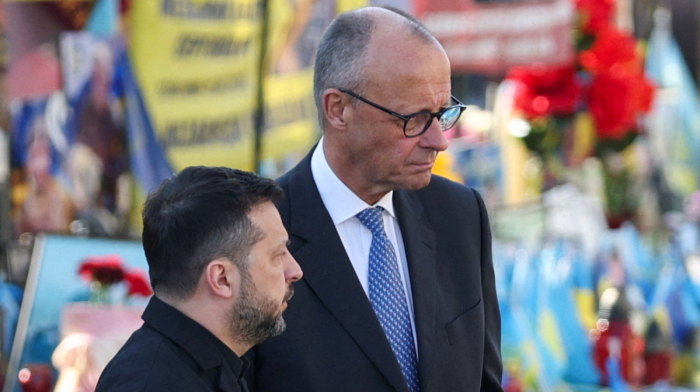
European Union foreign policy chief Kaja Kallas urged EU leaders on Thursday to pledge 5 billion euros ($5.4 billion) for artillery shells to aid Ukraine, aiming to strengthen its position in peace talks. Kallas called for leaders to match their verbal support for Ukraine with concrete actions, highlighting the importance of the artillery shells that Ukrainian President Volodymyr Zelenskyy had identified as an urgent need.
Kallas had initially proposed up to 40 billion euros in military aid for Ukraine but scaled back the proposal due to resistance from some countries, particularly those in southern Europe. The 5 billion euro artillery shell package is now the focal point, with Kallas emphasizing that a strong Ukraine on the battlefield would be better positioned at the negotiating table.
The summit also focused on bolstering the EU’s own defense capabilities, with concerns about Moscow potentially targeting EU member states. Lithuania’s President Gitanas Nauseda reaffirmed his support for Ukraine, advocating for long-range missiles and an increased military commitment from the EU to counter Russian aggression.
However, some southern European countries, including Spain, expressed concerns about the focus on rearmament, citing different security challenges compared to those in Eastern Europe. Spanish Prime Minister Pedro Sánchez argued that the southern EU countries face different threats and emphasized the need for a nuanced approach to defense spending.
EU leaders also discussed the Commission’s defense proposals, which include calls for joint military projects and increased procurement of European-made arms. Some leaders, including Greek Prime Minister Kyriakos Mitsotakis and Italian Prime Minister Giorgia Meloni, expressed a preference for a more ambitious approach to funding defense, such as joint borrowing or common defense instruments that do not directly burden national debt.
Despite these differences, EU leaders are expected to reaffirm their support for Ukraine, with the exception of Hungarian Prime Minister Viktor Orbán, who has been critical of the EU’s approach. Orbán referred to the EU as a “toothless lion” and pointed out that the United States holds more power on the global stage.
The summit, which is also addressing economic challenges and the EU’s competitiveness, is set to continue with discussions on strengthening Europe’s defense and its commitment to Ukraine.












What is your opinion on this topic?
Leave the first comment