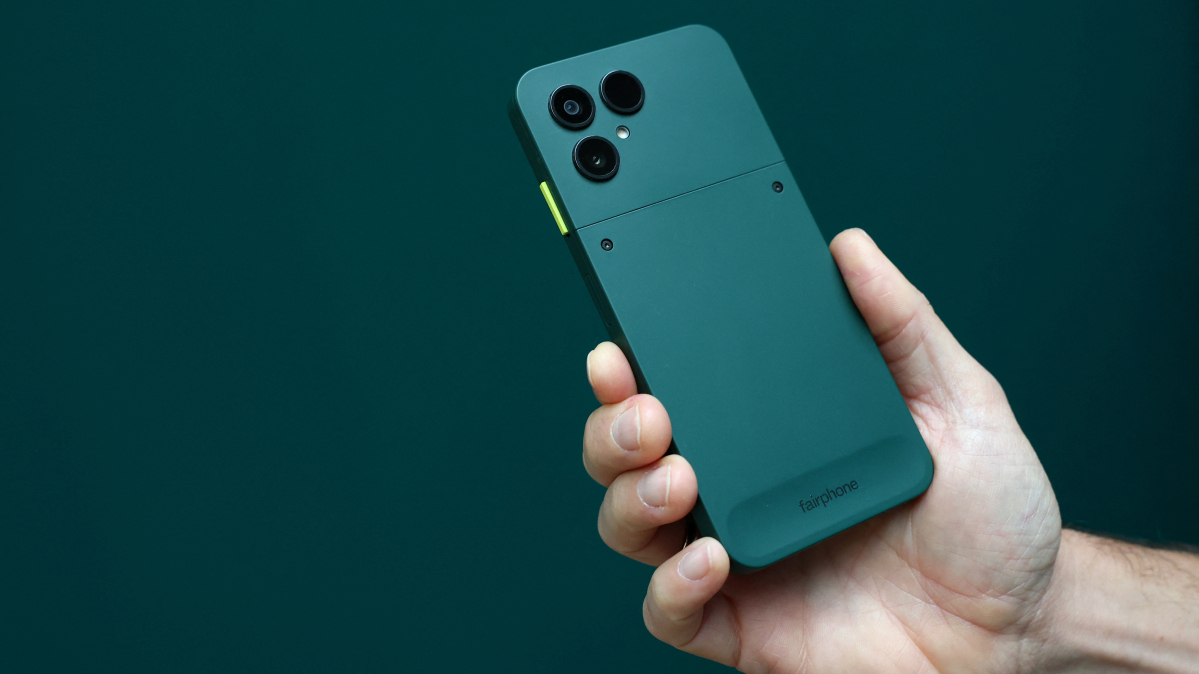
Dutch smartphone maker Fairphone is entering the U.S. market, betting on growing demand for repairable and sustainable devices as right-to-repair legislation gains traction, according to Reuters.
Amsterdam-based Fairphone has begun its U.S. expansion with the launch of its Fairbuds XL headphones through Amazon and plans to introduce its smartphone line later this year.
The company hopes to tap into the country’s growing “right to repair” movement, which supports consumers’ ability to fix rather than replace their electronics.
Fairphone’s approach is not about competing on power or performance, but about offering durability, ethical sourcing, and longevity.
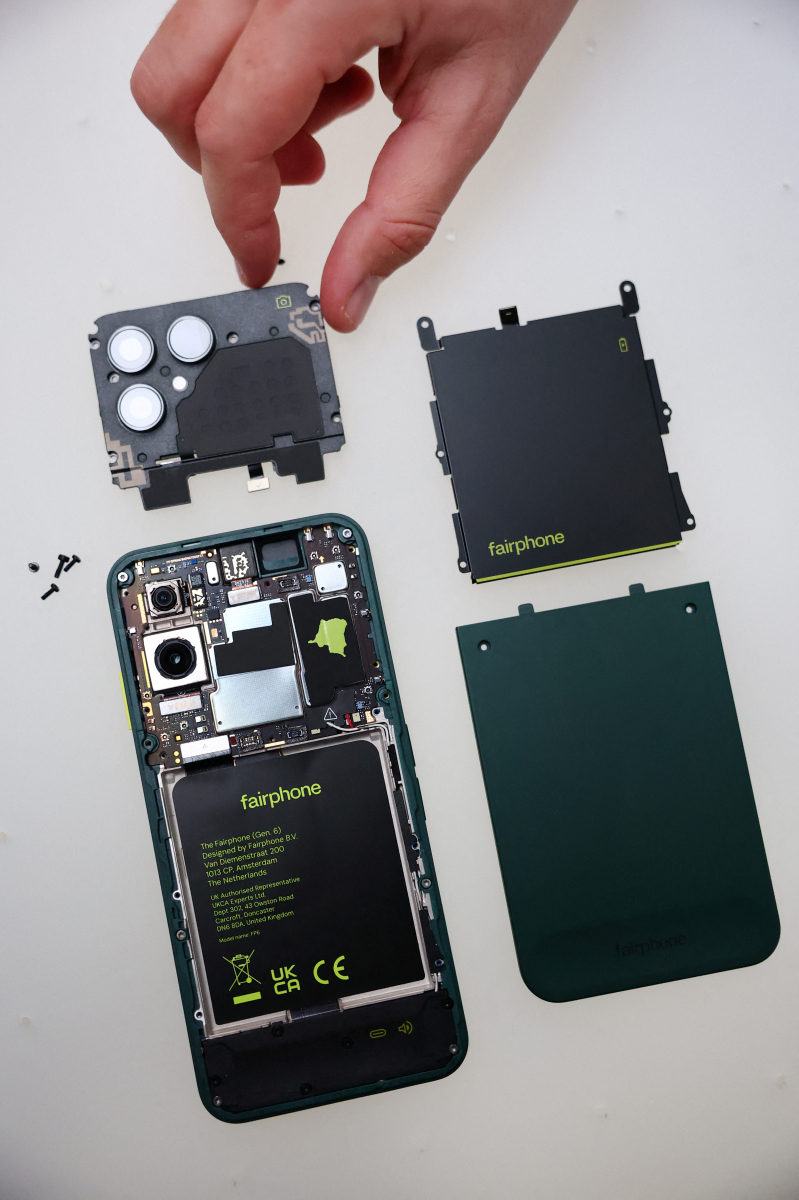
It provides multi-year software and security support along with extended warranties — commitments that are rare in the smartphone industry. The teardown site iFixit has also given the device a perfect 10/10 repairability score, praising its design built around longevity rather than disposability.
While Fairphone remains a niche manufacturer, its expansion reflects a wider shift in how consumers and regulators view technology.
Across both Europe and the U.S., sustainability and repair access are increasingly seen as essential features. According to media reports, Fairphone’s CEO, Raymond van Eck, described the U.S. as a “market of opportunity” but acknowledged challenges such as import tariffs and carrier-dominated sales models.
Still, the wave of state-level right-to-repair laws offers a favourable opening for the company’s arrival.
The roots of Fairphone’s philosophy lie in the modular phone experiments of the past decade. Projects such as Israel’s Modu, Google’s Project Ara, and Dutch designer Dave Hakkens’ Phonebloks tried to make smartphones upgradeable and customisable, according to Reuters.
Those early concepts ultimately failed to reach mass production, but they reshaped the debate around how long devices should last and who controls their repair.
Fairphone carried that vision forward, first with modular components and later through a simpler repair-first design. The shift reflected a broader realisation that practical repairability often achieves greater environmental impact than complex modularity. Fast Company observed that modular systems can even generate more waste when users replace short-lived add-ons.
In that evolution, Fairphone found what many earlier innovators could not — the golden middle between the fully modular concept and the sealed, non-repairable approach of mainstream smartphones.
It struck a balance where users can still maintain and replace essential parts without dismantling the entire device, turning sustainability from a design theory into a practical business model.
Europe’s legislative framework has since validated Fairphone’s approach. The 2024 right-to-repair directive requires manufacturers to supply spare parts and repair services for at least seven years, while new EU rules taking effect in 2027 will mandate easily replaceable batteries.
According to Reuters, these measures mark a decisive move toward longevity as a pillar of sustainable technology.
Silicon Canals reported that Fairphone’s revenue grew 61 % year-on-year in the third quarter of 2025, driven by demand for devices, audio products, and spare parts.
Its U.S. expansion signals how environmental responsibility has evolved from a niche concept into a competitive edge in global consumer electronics.
From modular ambition to repairable reality, Fairphone’s journey highlights a simple truth: the most sustainable phone is not the newest, it’s the one built to last.






















What is your opinion on this topic?
Leave the first comment