



18:20 CET
Gaza war
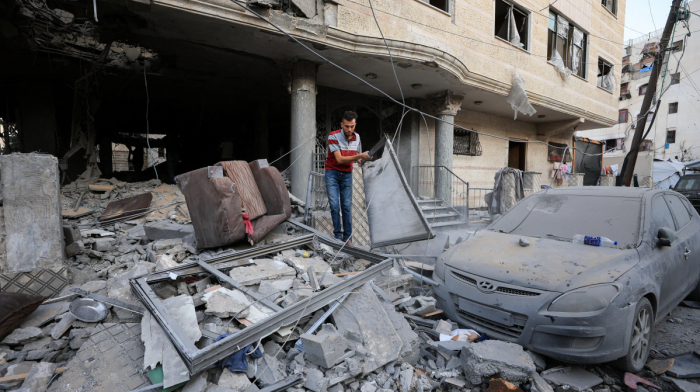
Israeli strike kills five in Gaza, including four women, health officials say
An Israeli air...
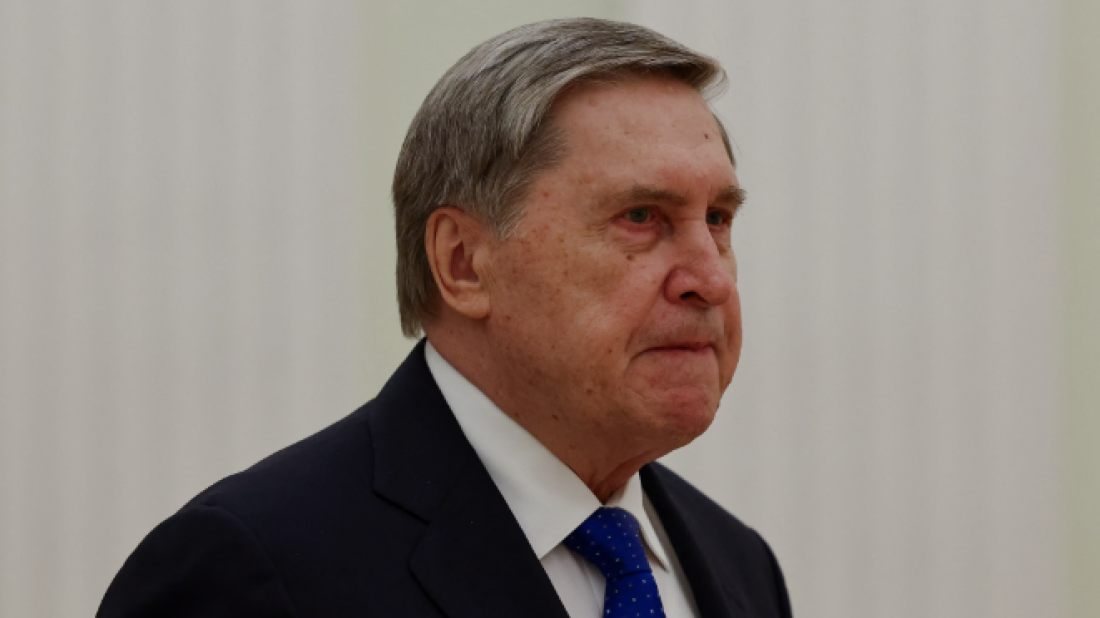


Kremlin aide Yuri Ushakov has dismissed the idea of a temporary 30-day ceasefire between Russia and Ukraine, stating that it would offer no significant gains for Russia, amid ongoing diplomatic efforts for peace.
Kremlin aide Yuri Ushakov has stated that a proposed 30-day ceasefire between Russia and Ukraine would not offer any significant benefits to Russia. This comment came after discussions surrounding the potential for a temporary pause in hostilities as part of ongoing diplomatic efforts to ease tensions. Ushakov emphasized that Russia's position remains firm, and such a ceasefire would not contribute meaningfully to achieving Russia's objectives in the ongoing conflict.
The proposal for a 30-day ceasefire follows diplomatic talks with U.S. officials and is part of broader international discussions regarding peace efforts in Ukraine. While various world leaders, including Ukrainian President Volodymyr Zelensky, have shown interest in exploring ceasefire terms, Russia’s stance underscores the complexities involved in negotiating a peaceful resolution.
Ushakov’s remarks highlight the deep divide between Russia and Ukraine, signaling that despite external pressure for a halt to the fighting, Russia sees no immediate advantage in agreeing to a ceasefire under the current terms. The situation remains fluid as diplomatic efforts continue to unfold.

An Israeli air...

The co-...

A major bridge across the Dnipro river in Kyiv was hit in a Russian air attack on Saturday, the city's mayor, Vitali Klitschko said, as strikes...


Yemen's air force carried out 20 strikes on Houthi targets earlier on Friday, Brigadier General Majid Abdullah Al-Nuzaili, Spokesman for the Yemeni Armed Forces, said. Meanwhile, the Iran-backed Houthis denied targeting a power plant supplying energy to a mosque in Medina, Saudi Arabia.

Hammam al-Hammami, the Flydubai co-pilot accused of stabbing the captain of an Israel-bound flight on Wednesday in a suspected terrorist attack, was banned from flying by Oman over concerns about his radical views, U.S. media reported on Friday, citing people familiar with the matter.

Azerbaijan and Armenia will sign a final peace agreement once Armenia amends its constitution to remove territorial claims against Azerbaijan, Hikmat Hajiyev, Assistant to Azerbaijan’s President Ilham Aliyev, has said.
The co-pilot of Israel bound flydubai flight attempted to carry out a “terrorist attack” with an axe during the flight, the United Arab Emirates prosecutor general said on Saturday.
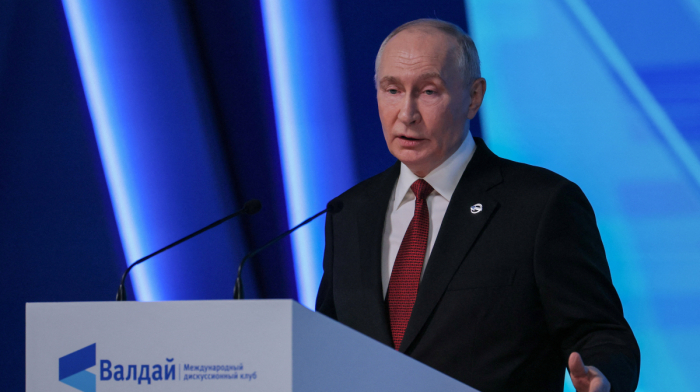
Russian President Vladimir Putin said on Thursday that Moscow wanted to end the war in Ukraine through negotiations as soon as possible, while insisting that any settlement must meet conditions acceptable to Russia and include security guarantees.
A major bridge across the Dnipro river in Kyiv was hit in a Russian air attack on Saturday, the city's mayor, Vitali Klitschko said, as strikes on the capital's infrastructure continue.
Hammam al-Hammami, the Flydubai co-pilot accused of stabbing the captain of an Israel-bound flight on Wednesday in a suspected terrorist attack, was banned from flying by Oman over concerns about his radical views, U.S. media reported on Friday, citing people familiar with the matter.

A U.S. federal appeals court has temporarily halted Minnesota’s ban on AI-generated fake nude images after Elon Musk’s xAI challenged the law as unconstitutional.

Two Iranian nationals have been charged in Britain with preparing a suspected terrorist attack targeting the Jewish community in northern England, police said on Friday (2 October).

The United States suspended consular services at its embassy and consulates in Brazil on Friday over unspecified security concerns, prompting Australia to close its embassy in Brasília two days before the country's presidential election.
You can download the AnewZ application from Play Store and the App Store.




What is your opinion on this topic?
Leave the first comment