The Kremlin has defended sweeping internet restrictions across Russia, saying measures such as blocking messaging platforms and virtual private networks are necessary for national security rather than a return to past controls.
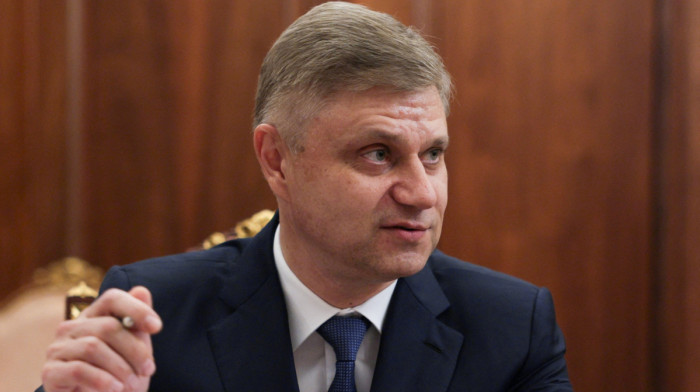
Speaking in Moscow, Kremlin spokesman Dmitry Peskov said the restrictions were justified given the current security environment, arguing that most Russians understand their necessity.
“No, this isn’t a step backwards,” Peskov said when asked whether the measures risked reversing digital freedoms.
“We are currently in a situation where security considerations dictate the need to take certain measures.”
Broader limitations
The restrictions form part of a broader tightening of state control over Russia’s digital space, with authorities blocking messaging platforms such as Telegram, throttling online services and repeatedly shutting down mobile internet access in several regions.
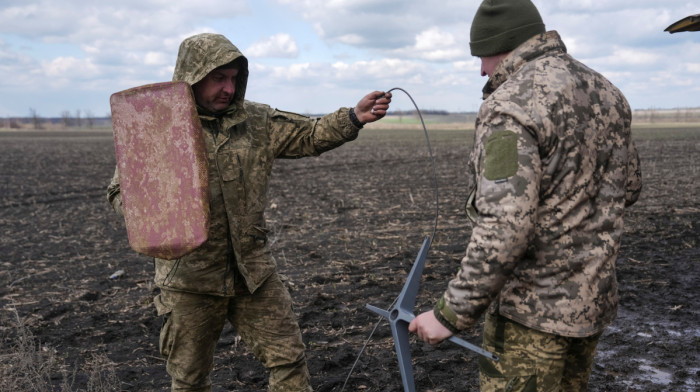
Officials say the curbs are partly aimed at preventing Ukrainian drone attacks, which can rely on mobile internet signals for navigation.
Authorities shut down mobile internet in Moscow for nearly three weeks in March and have imposed similar disruptions elsewhere.
Russia has also moved aggressively against virtual private networks, with more than 400 VPN services reportedly blocked as authorities seek to prevent users from bypassing censorship.
Peskov said companies that fail to comply with Russian laws face restrictions as part of what he described as “normal practice” seen in many countries.
Effect on daily life
The curbs have drawn mixed reactions.
Vladimir Solodov, governor of the Kamchatka region, has asked federal authorities to lift the restrictions on mobile internet access, introduced at the end of December 2025, as soon as possible.
Attempts to block VPN services have triggered technical disruptions, including temporary failures in payment systems and transport services, highlighting the wider impact of the measures.
While officials insist the restrictions are necessary, reports indicate growing frustration among citizens and businesses, with disruptions affecting communication, commerce and access to essential services.
“It is clear that restrictions on internet access cause inconvenience for many citizens, but this is the situation we find ourselves in at the moment,” Peskov said.
He stressed that once "the need for these measures has passed," internet access would be fully restored and returned to normal.













What is your opinion on this topic?
Leave the first comment