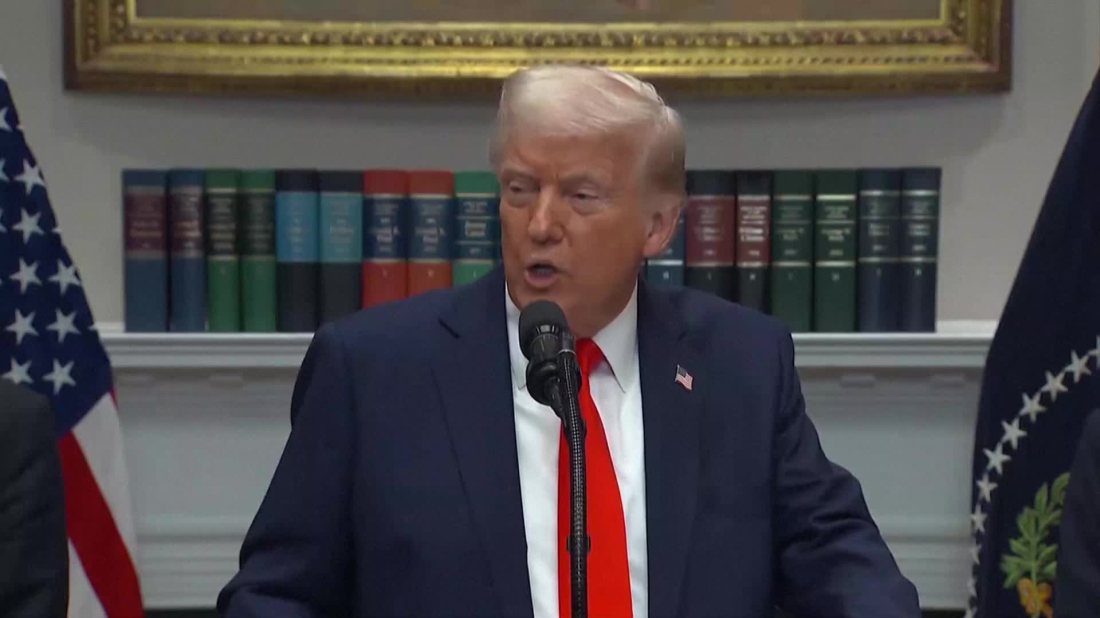
US President Donald Trump’s new 25% tariffs on imports from Mexico and Canada took effect on March 4. Additionally, tariffs on Chinese goods have been doubled to 20%. Experts warn that these measures could significantly impact the US economy and further exacerbate inflation.
U.S. President Donald Trump’s new 25% tariffs on imports from Mexico and Canada took effect on March 4. Additionally, tariffs on Chinese goods have been doubled to 20%. Experts warn that these measures could significantly impact the US economy and further exacerbate inflation.
The new tariffs could disrupt the annual $2.2 trillion trade flow between the US and its three main trading partners. Trump justified this decision by claiming that these countries had not taken sufficient steps to curb the influx of fentanyl and its precursor chemicals into the US.
A New Challenge for the North American Economy
The tariffs imposed on Mexico and Canada are expected to affect key sectors of the North American economy. Raw materials and components imported from these countries play a crucial role in automobile manufacturing, industrial equipment assembly, energy processing, and agriculture.
According to US economic data released on Monday, factory prices have reached their highest level in three years. Economists warn that the new wave of tariffs could further weaken the manufacturing sector.
Canada and Mexico Respond Strongly
Canadian Prime Minister Justin Trudeau has announced 25% retaliatory tariffs on $30 billion CAD ($20.7 billion USD) worth of US imports. These tariffs will apply to orange juice, peanut butter, wine, spirits, beer, coffee, household appliances, and motorcycles.
Mexican President Claudia Sheinbaum has also reacted strongly to Washington’s decision, stating that Mexico will announce its countermeasures on Sunday in Mexico City’s iconic Zócalo Square.
China Holds Its Ground
Beijing responded immediately by announcing additional tariffs of 10%-15% on certain US imports starting March 10, as well as imposing new export restrictions on specific American companies. Additionally, China has filed a complaint with the World Trade Organization (WTO) against the new US tariffs.
Markets Plunge
Trump’s tariff decision has triggered turmoil in global financial markets. Major US stock indexes dropped sharply, with the Nasdaq entering correction territory. European markets experienced their biggest one-day loss in six months. Automakers, construction companies, and retailers were among the hardest hit.
Some US products have already seen price increases, raising concerns that Trump’s tariffs contradict his campaign promise to lower the cost of living for Americans.



















What is your opinion on this topic?
Leave the first comment