U.S. and Iran exchange threats - Tuesday, 10 March
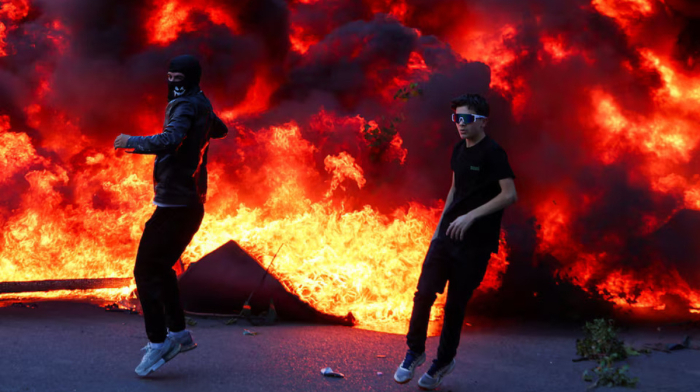
Tensions in the region remained high on Tuesday (10 March), as the United States and Iran exchanged increasingly sharp warnings, including thr...
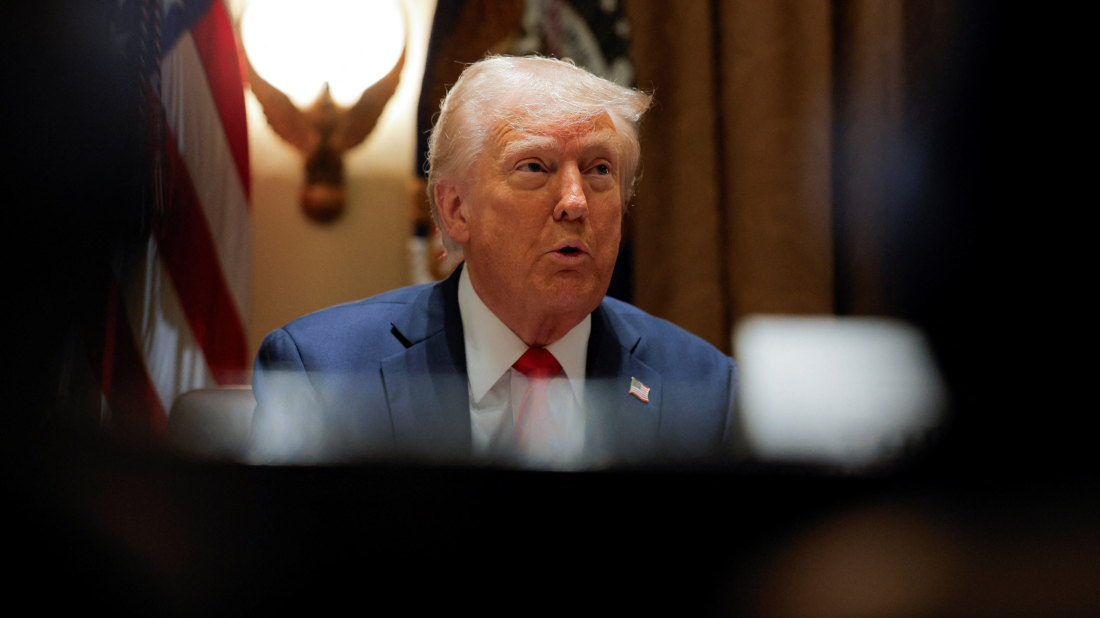
U.S. President Donald Trump said on Wednesday that his administration is preparing to impose a 25% tariff on imports from the European Union, a move aimed at addressing longstanding trade disparities.
“We have made a decision, and we’ll be announcing it very soon, and it’ll be 25% generally speaking, and that’ll be on cars, and all of the things,” Trump told reporters during a cabinet meeting.
The proposed tariff would mark a significant escalation in U.S. trade policy toward the EU. Currently, the European Union levies a 10% tariff on passenger cars - four times the U.S. rate of 2.5% - and imposes value-added taxes of at least 17.5% on various goods. U.S. officials have frequently complained about these protectionist measures, arguing that they place American industries at a disadvantage.
The new measure is seen as part of Trump’s broader strategy to rebalance global trade, particularly in sectors where the U.S. perceives unfair practices by its trading partners. However, the announcement has raised concerns among European leaders, who warn that such tariffs could trigger retaliatory measures and further strain transatlantic economic relations.
At present, further details - including the scope of the tariff and its timeline—remain under wraps. The European Union has yet to issue an official response to Trump’s declaration.
As the U.S. moves forward with its aggressive trade agenda, markets and policymakers on both sides of the Atlantic are closely watching for potential ripple effects across global trade networks.

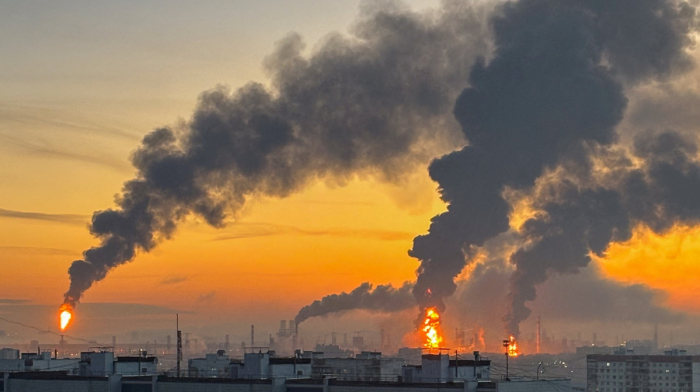
Tensions in the region remained high on Tuesday (10 March), as the United States and Iran exchanged increasingly sharp warnings, including threats over the strategic Strait of Hormuz, a critical artery for global oil supplies.
China has urged Afghanistan and Pakistan to resolve their dispute through dialogue after Chinese envoy Yue Xiaoyong met Afghan Foreign Minister Amir Khan Muttaqi, as fighting between the two neighbours entered its eleventh day.
Entry and exit across the state border between Azerbaijan and Iran for all types of cargo vehicles, including those in transit, will resume on 9 March, according to a statement by the Cabinet of Ministers of Azerbaijan.
Iranian civilian and military officials have pledged their obedience to the new leader, Ayatollah Seyed Mojtaba Khamenei, with President Masoud Pezeshkian saying his leadership “will herald a new era of dignity and authority for the Iranian nation.”.
Kazakhstan has evacuated more than 7,300 citizens from the Middle East since regional tensions escalated, using both air and land routes to bring nationals home while closely monitoring political developments and potential economic effects linked to rising oil prices.
The first batch of Peter Mandelson’s papers on his 2024 ambassadorial appointment is set to be published on Wednesday, following a parliamentary order. The release comes amid police investigations over his links to Jeffrey Epstein.
At least six people have died after a bus caught fire in Kerzers, Switzerland, in what police say may have been a deliberate act. Witnesses reported a man inside the vehicle set himself alight. Three others were injured and taken to hospital, while authorities continue their investigation.
Start your day informed with AnewZ Morning Brief. Here are the top news stories for the 11th of March, covering the latest developments you need to know.
Iran and Israel continue to exchange missile and drone strikes across the Middle East - all the latest updates throughout the day on AnewZ
U.S. Ambassador to the United Nations, Mike Waltz, has addressed the U.N. Security Council, saying the world must consider how effective its engagement with the Taliban-run country is as millions face hunger.
You can download the AnewZ application from Play Store and the App Store.
What is your opinion on this topic?
Leave the first comment