As Ukraine enters the fourth year of its war with Russia, uncertainty looms over its support from the United States, as President Trump pushes for a rapid peace deal while sidelining Kyiv.
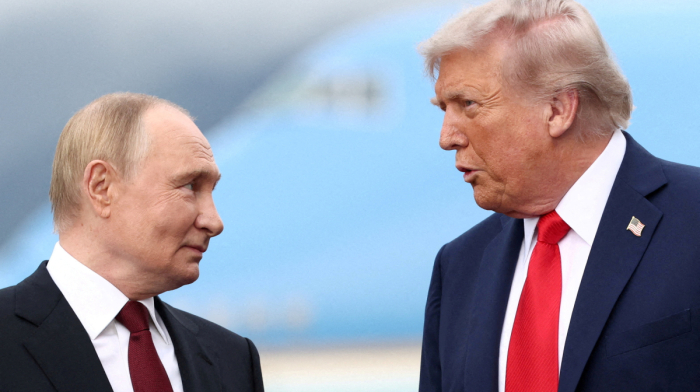
Ukraine has entered the fourth year of its conflict with Russia, facing mounting uncertainty over support from its key ally, the United States. U.S. President Donald Trump recently criticised Ukrainian President Volodymyr Zelenskyy, describing him as an "unpopular dictator" who should quickly negotiate peace. Zelenskyy countered, calling Trump’s perspective a result of a "disinformation bubble."
In a significant policy shift, U.S. officials held direct talks with Russia in Saudi Arabia last week, excluding Ukraine and European leaders. Washington has made it clear that no U.S. troops will be offered as a security guarantee if a peace deal emerges, placing the burden on Europe, which may struggle without U.S. backing.
Amidst these tensions, Zelenskyy has made over a dozen calls to European leaders since Friday, seeking support and strategising a way forward. European leaders are expected to visit Kyiv to commemorate the anniversary of what has become the bloodiest conflict in Europe since World War Two.
On the front lines, Ukrainian troops face a numerically superior opponent while grappling with concerns over potential shifts in U.S. military support. Evhen Kolosov, head medic for Ukraine’s Spartan brigade, described the troops as psychologically worn down after years of relentless fighting.
Former Foreign Minister Pavlo Klimkin said relations with Washington have not yet reached a crisis point, despite Trump’s sharp rhetoric. Klimkin did not anticipate a fair and lasting peace deal this year but suggested there could be progress toward a ceasefire agreement.
Meanwhile, U.S.-Ukraine relations are complicated by ongoing discussions about a deal that could grant the U.S. access to Ukraine's mineral wealth. Trump is reportedly seeking hundreds of billions of dollars in return for past support, while Zelenskyy has refused to sign an initial draft, citing inadequate security guarantees.
Trump has pressed Ukraine to hold a wartime election, echoing Russian claims that Zelenskyy’s mandate is no longer legitimate. Zelenskyy, whose mandate was due to expire last May, expressed willingness to step down if it meant peace, quipping that he could exchange his departure for Ukraine's entry into NATO.
Despite the uncertainty, many Ukrainians continue to rally around Zelenskyy, with his trust ratings remaining above 50% according to recent polls. As one Kyiv resident put it, “Although I did not vote for him, I supported him throughout martial law and will continue to support him.”













What is your opinion on this topic?
Leave the first comment