Xi Jinping touched down at Joint Base Andrews in Maryland on Wednesday evening to a welcome that was fairly unprecedented. President Donald Trump was there on the tarmac to greet him personally, which is something no sitting U.S. president had done for a visiting foreign leader in six decades.
It was Xi's first state visit to the United States in more than a decade, and the third time the two leaders had sat down together in less than a year after their meeting in Busan last October and Trump's state visit to Beijing in May.
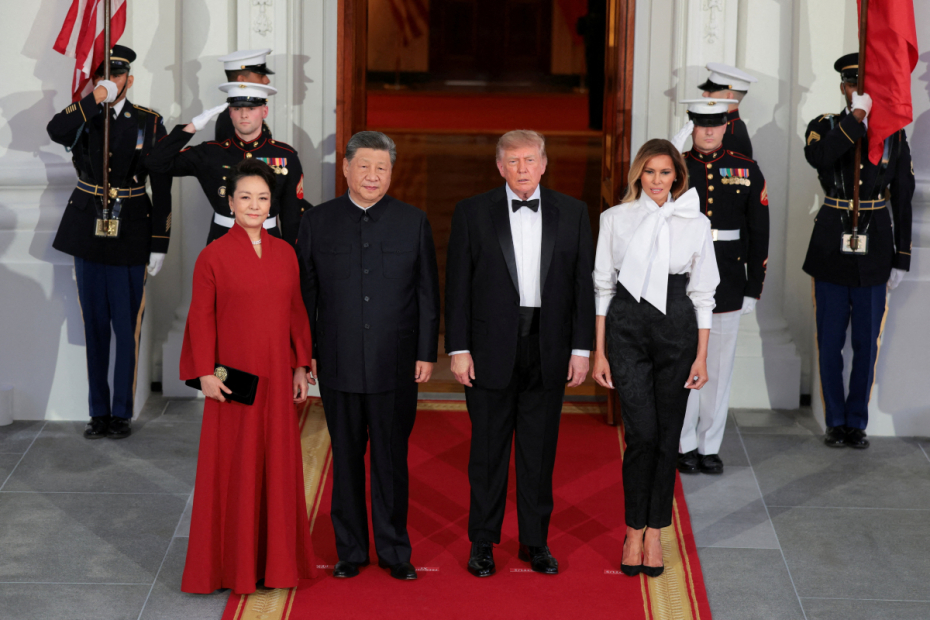
A formal state arrival ceremony took place on the South Lawn of the White House on Thursday (24 September), after which the two leaders held bilateral talks that lasted a little more than an hour. The meeting was closed to the press. When Xi emerged from the West Wing, Trump walked him out and said simply, “Great meeting, thank you.”
Both leaders then went their separate ways.
Trade truce extended
The most concrete outcome came before the main meeting even began. On Wednesday evening, both sides announced that their existing trade truce (which had been set to expire in November) would be extended until 10 January, giving trade negotiators more time to work toward a more permanent deal. Beyond that, the results were thinner than many had hoped.
No new trade deal was announced. No major agreements on artificial intelligence (AI) were reached. The war in Iran did not yield any public breakthrough. Taiwan was raised - China's ambassador to the U.S. had written on the eve of the visit that Taiwan remains one of China's red lines and both sides noted their familiar positions without resolving anything.
What the summit did produce was atmosphere and another step toward head of state diplomacy.
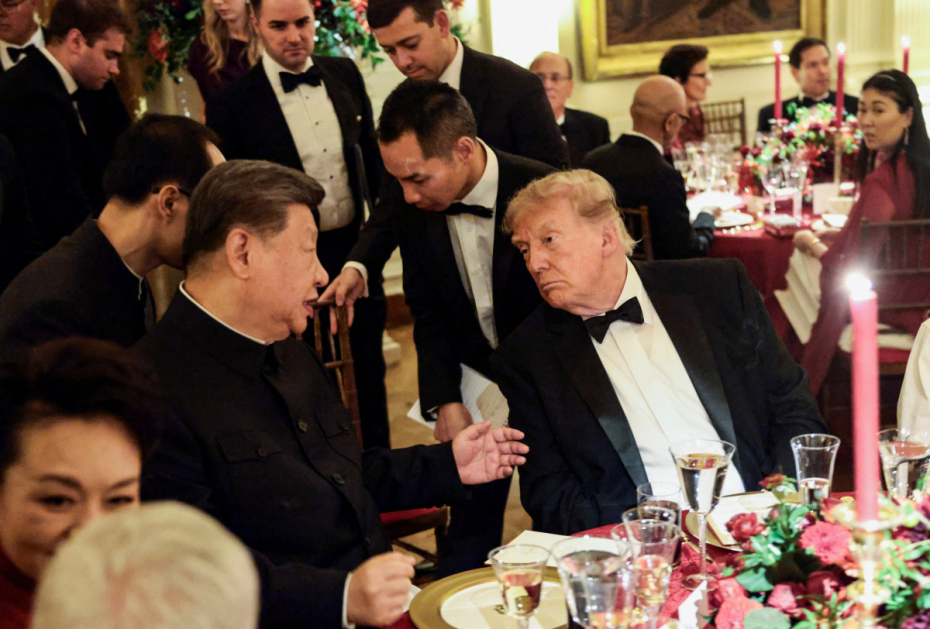
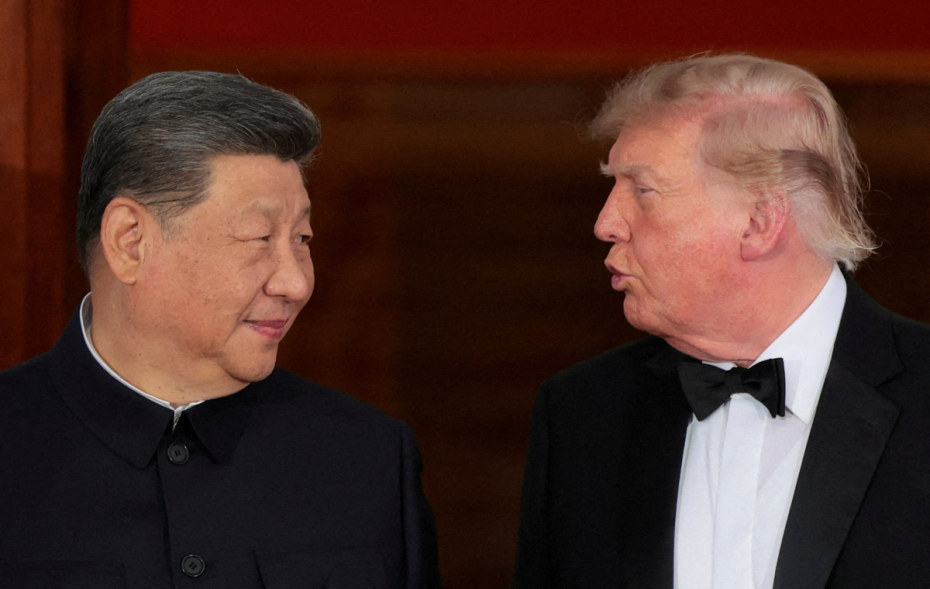
Trump and Xi have cultivated a personal rapport that is genuinely unusual given the depth of the rivalry between their two countries, and both men appeared to lean into that dynamic throughout the visit.
The two presidential couples had tea at the White House on Friday morning before visiting the National Archives together to round off the trip - a piece of choreography designed to project warmth and stability. There was no joint press conference and no joint statement , both governments instead issued separate readouts tailored to their own domestic audiences.
Heavy on symbolism but light on substantive progress
Experts described the likely outcome before the meeting as heavy on optics and symbolism but light on substantive progress, highlighting both leaders' conviction that the relationship is important enough to manage carefully but too complicated to fix quickly.
The AI question in particular illustrated the gap. Trump himself has said that whoever wins AI wins and both the U.S. and China understand the stakes. But neither side was willing to accept meaningful constraints on its own AI development, making any substantive agreement in that area extremely unlikely.
The trade truce extension will buy time for negotiators to work, time for the relationship to stabilise, and time for both sides to figure out what a more durable arrangement might look like. That is not the result many were hoping for result but in a relationship as complicated as this one, keeping things stable while avoiding a fresh crisis is itself an achievement.
Read more:













What is your opinion on this topic?
Leave the first comment