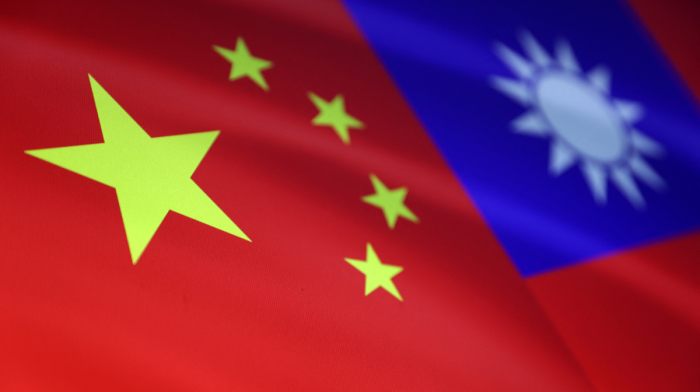
When U.S. President Donald Trump welcomes Chinese President Xi Jinping to the White House on 24 September, traders will be watching for more than the outcome of the two leaders' talks.
The summit could provide clues about the future of trade in some of the world's most important commodities, from soybeans and crude oil to liquefied natural gas (LNG) and rare earth minerals.
Agriculture, energy and critical minerals have become bargaining chips in the U.S.-China trade dispute. Any agreement to increase purchases, reduce tariffs or ease export restrictions could affect global supply chains and prices.
But markets will also be looking at whether any promises made in Washington result in actual shipments.
Soybeans: A relatively easy place to make a deal
Soybeans are likely to be among the commodities most closely watched.
China is the world's biggest soybean importer, while the U.S. has traditionally been an important supplier. U.S. agricultural exports to China were worth about $29 billion in 2024, according to Reuters.
At a summit in Busan last year, China agreed to buy 25 million metric tonnes of U.S. soybeans annually through to 2028, according to the White House. U.S. officials have also said China agreed to purchase an additional $17 billion of American agricultural products during Trump's visit to Beijing in May.
Beijing has not publicly confirmed all of those commitments.
Reuters reports that China is nevertheless on track to meet the soybean target. The next question is whether Washington and Beijing can expand agricultural trade further, potentially through tariff exemptions or other measures.
Sorghum and corn could also feature, given their importance in U.S. agricultural exports to China.
For American farmers, however, China has alternatives. Brazil is a major soybean supplier, giving Chinese buyers another source if U.S. products become more expensive because of tariffs.
That means a new announcement could improve sentiment in U.S. agricultural markets, but its longer-term impact will depend on whether Chinese buyers actually shift purchases towards American suppliers.
Oil and LNG: Trade could resume
Energy is another area where the summit could have a direct impact on commodity flows.
China has been an occasional buyer of U.S. crude oil and natural gas, but those imports were disrupted after Beijing imposed tariffs on American energy products.
Reuters reports that U.S. oil and gas exports to China could resume if energy tariffs are included in a proposed package of reciprocal tariff reductions.
Before the latest disruption, China's annual purchases of U.S. energy products ranged from about $7.5 billion to $12 billion between 2020 and 2024.
But a return of Chinese demand would not necessarily produce an immediate boom for U.S. LNG producers.
Chinese companies continue to honour some long-term contracts with U.S. suppliers, even when the LNG is not ultimately consumed in China. Some cargoes are instead resold elsewhere.
That distinction matters. A trade agreement may increase the value of U.S. energy exports without necessarily creating an equivalent increase in new Chinese demand.
Sanctions could affect the oil market
The summit also comes as Washington considers how to deal with China's purchases of Russian and Iranian crude.
China has historically been one of the biggest buyers of oil from both countries. The U.S. has imposed sanctions on companies and other entities involved in those trade flows.
Trump has previously indicated that some sanctions could potentially be eased, while the administration has also been considering additional measures against financial institutions involved in Iranian oil trade.
Any change could have implications beyond the U.S. and China because Russian and Iranian crude are significant parts of the global oil supply.
For traders, the question will therefore be whether the summit produces any change in the rules governing those flows.
Rare earths: The strategic commodity
Rare earths may be the most sensitive commodity issue on the table.
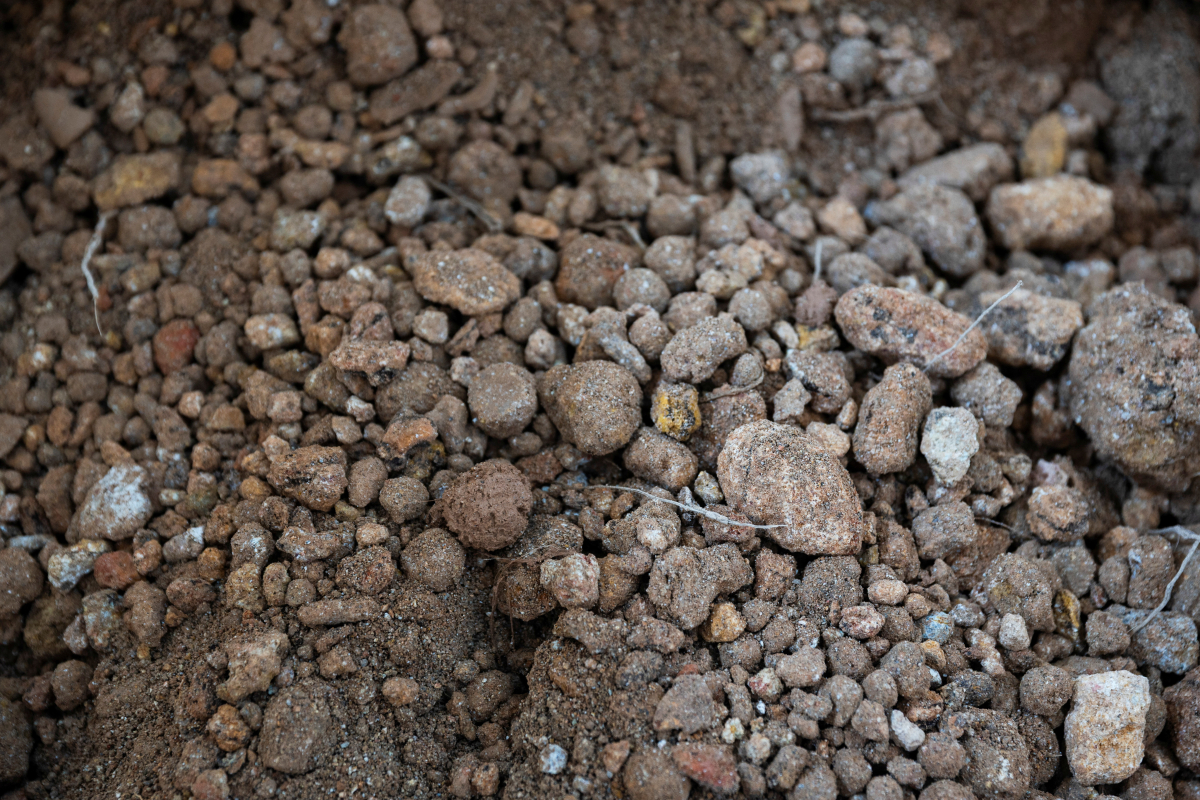
China has a dominant position in the global rare earth supply chain, including mining, processing and refining. These materials are used in products ranging from electronics and electric vehicles to aerospace and defence equipment.
Beijing's restrictions on exports to the U.S. have already demonstrated how quickly a trade dispute can become a supply-chain problem.
More material has begun moving from China, but the dispute has not been fully resolved. Reuters reports that some U.S. companies in sensitive industries continue to have difficulty obtaining supplies, while some Chinese exporters remain reluctant to ship to American customers.
New Reuters reporting on 21 September says China controls up to 70 per cent of global rare-earth mining and more than 85 per cent of refining and production, underlining why the issue has become such an important part of the negotiations.
The U.S. is seeking more reliable access, while China retains considerable influence over a supply chain that would be difficult to replace quickly.
What markets will be looking for
The most important signal from the summit may not be a single headline agreement.
Traders will want to know whether the two governments can turn political commitments into physical commodity flows.
For soybeans, that means actual Chinese purchases from U.S. farmers. For energy, it means whether tariffs are reduced enough to make U.S. oil and LNG more competitive in China. For rare earths, it means whether American companies can obtain supplies consistently rather than through temporary exemptions.
The summit comes against the backdrop of a broader trade truce that remains incomplete. The Council on Foreign Relations says high tariffs, rare-earth restrictions and technology controls remain important points of tension despite the period of relative stability following the May meeting.
That leaves commodity markets facing two possibilities.
A further easing of trade restrictions could provide greater certainty for producers, exporters and manufacturers. But if negotiations fail to resolve the underlying disputes, commodities could remain vulnerable to sudden changes in tariffs, export controls and sanctions.
















What is your opinion on this topic?
Leave the first comment