China used this week's Shanghai Cooperation Organisation summit to deepen ties across Central Asia, turning a largely symbolic multilateral gathering into a series of bilateral agreements and modest progress toward a long-discussed SCO Development Bank.
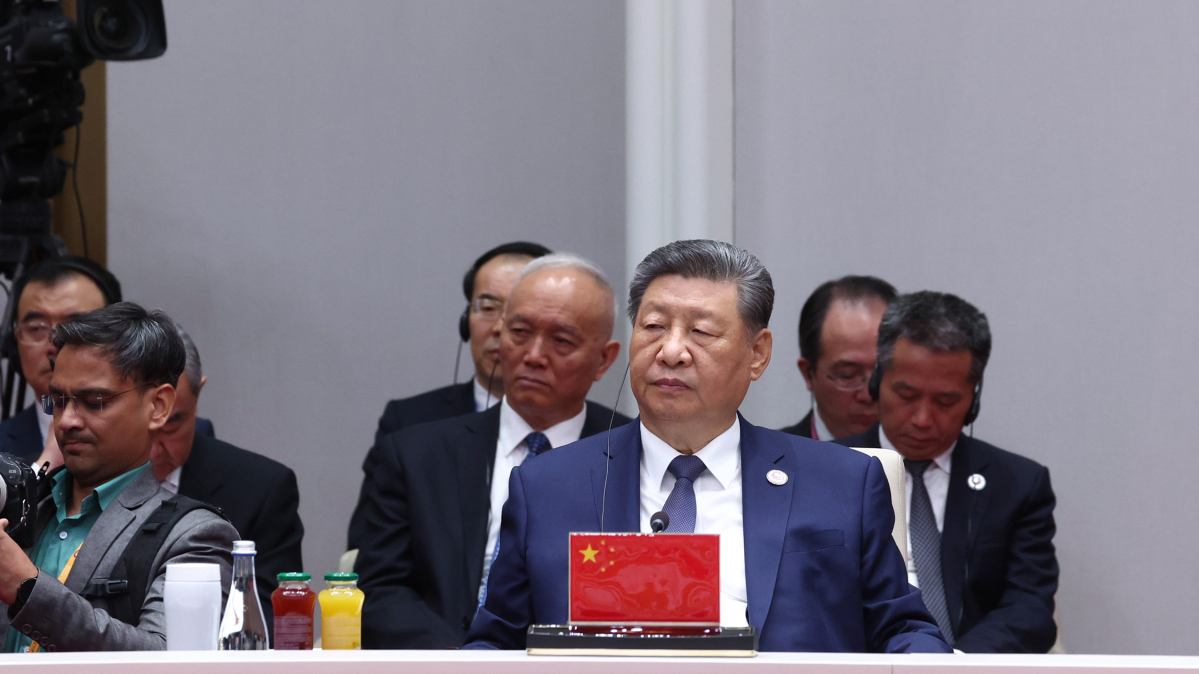
President Xi Jinping combined his attendance at the SCO's 26th Council of Heads of State meeting in Bishkek with a state visit to Kyrgyzstan. This allowed Beijing an opportunity to advance its bilateral agenda with Bishkek while pushing several initiatives within the regional bloc.
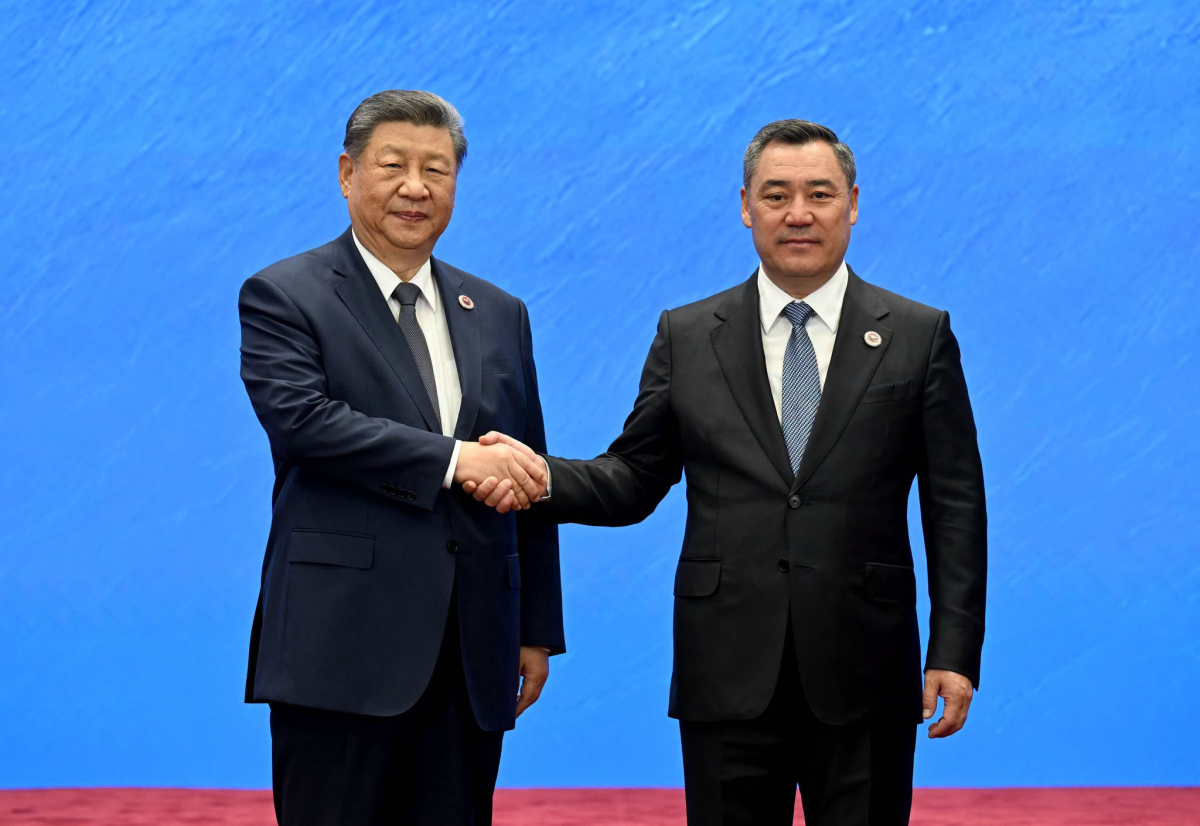
The most significant bilateral outcome was the signing by Xi and Kyrgyz President Sadyr Japarov of a Treaty on Eternal Good-Neighborliness, Friendship and Cooperation. The two leaders also issued a joint declaration upgrading relations to what they described as a "high-quality" comprehensive strategic partnership.
The agreements are largely political in nature, but they formalise a closer relationship between Beijing and Bishkek and provide a framework for expanding cooperation in the years ahead.
Railway project in focus
More tangible was the continued push behind the China-Kyrgyzstan-Uzbekistan railway, a $4.7 billion project that finally moved into construction after more than two decades of negotiations and delays.
The railway is designed to link western China with Central Asia and eventually provide a route toward markets in the Middle East and Europe. For Beijing, the project offers another overland trade corridor and could reduce reliance on routes running through Russia or vulnerable maritime chokepoints.
The railway featured prominently in President Xi's discussions in Bishkek and emerged as one of the clearest practical outcomes of his visit.
Establishing an SCO Development Bank
At the multilateral level, China also pushed ahead with efforts to establish an SCO Development Bank. Member states agreed in principle to create the institution at last year's SCO summit in Tianjin and continued negotiations in Bishkek over its structure.
President Xi's Global Governance Initiative, first unveiled at the Tianjin summit, was also highlighted by Chinese officials, who said it has received support from nearly 160 countries and international organisations over the past year.
Digital cooperation featured prominently as well. SCO members adopted a 2026-2028 international information security plan and advanced a framework for regional data-processing, computing and artificial intelligence centers. Several memoranda on AI cooperation were also signed.
The initiatives fit into China's overall push to reshape international discussions around digital governance and AI standards especially among developing countries and institutions outside the Western-led system.
No major trade or critical-minerals agreements were announced in Bishkek. Instead, China's focus on railways, connectivity and regional economic integration highlighted a longer-term strategy of expanding alternative trade routes and strengthening economic links across Central Asia regardless of how its negotiations with Washington unfold - with whom China has been locked in a contest over trade and technology.
Read more:


















What is your opinion on this topic?
Leave the first comment