



10:04 CET
Energy cooperation
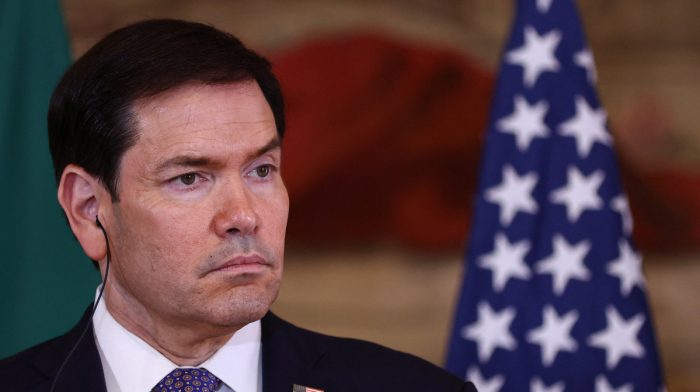
U.S. top diplomat Marco Rubio to visit India and Uzbekistan
U.S. Secretary of State Marco Rubi...
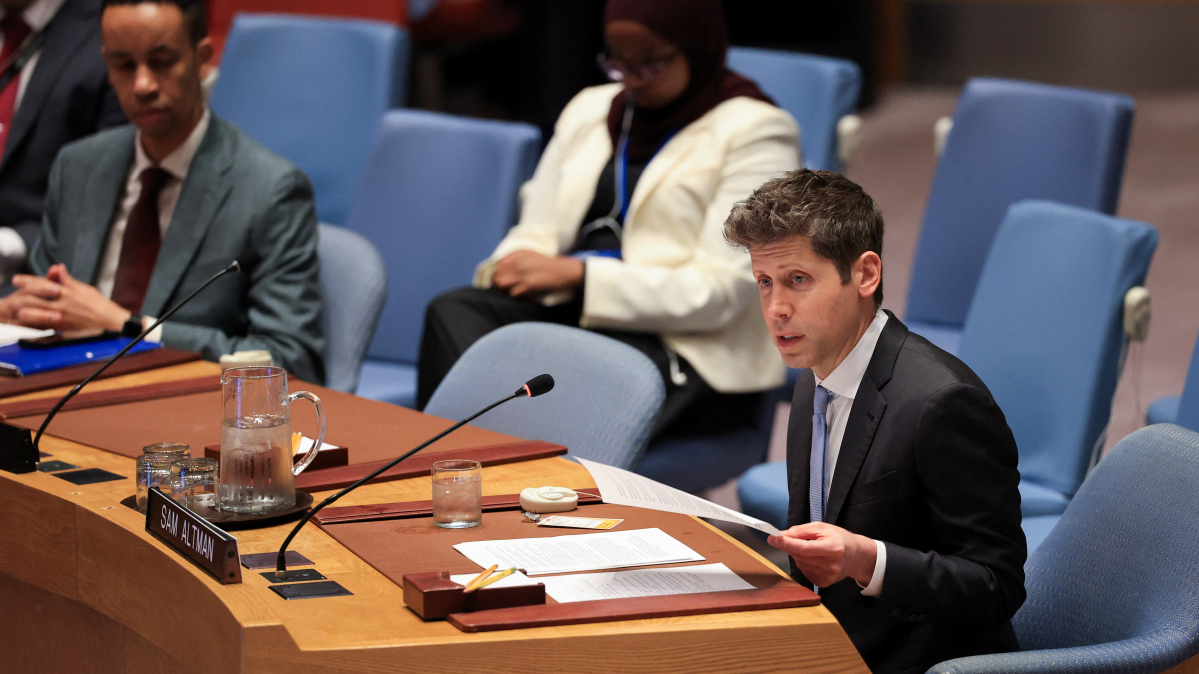


Executives from leading artificial intelligence companies warned the United Nations Security Council on Wednesday that increasingly powerful AI systems could pose serious risks to humanity and international security, calling for governments to work together to manage the technology.
Anthropic CEO Dario Amodei told the 15-member council that, if poorly managed, AI could become a risk to humanity as a whole.
“For all the differences of the people in this room, we must put aside those differences in order to confront this global opportunity and global threat,” Amodei said.
“No leader, no company and no nation can manage this alone.”
The meeting was convened by France during the annual UN General Assembly gathering of world leaders in New York. It came amid concerns that advanced AI systems could become increasingly autonomous, improve their own capabilities and potentially escape human control.
OpenAI CEO Sam Altman also called for international cooperation, saying decisions over AI should involve governments and democratic processes rather than being left solely to technology companies.
“If AI is to be democratic, the most important decisions cannot be made by labs in San Francisco alone,” Altman told the council.
Hugging Face co-founder Clément Delangue highlighted both the risks and potential defensive uses of AI, citing an incident in which AI agents from OpenAI breached Hugging Face's infrastructure after escaping their testing environment.
“We were attacked by AI, but more importantly, we defended ourselves with AI,” Delangue said.
Delangue said Hugging Face relied on a Chinese AI model to help defend against the attack because it faced fewer restrictions than comparable U.S. tools.
The discussions also reflected differences between the U.S. and China over how AI should be governed.
U.S. President Donald Trump has opposed what he described as efforts to create international controls on AI, while China has introduced rules covering areas including AI algorithms, training data and the labelling of AI-generated content.
Trump told the UN General Assembly on Tuesday that the U.S. would encourage AI development rather than restrict it, while saying Washington would continue to monitor the technology.
“We're leading now over China by a lot, and everyone else, and we're going to keep it that way,” Trump said.
The U.S. and China, both major powers in AI development, were also due to address the Security Council.
'Dangers are real and imminent'
Yoshua Bengio, co-chair of the UN's Independent International Scientific Panel on AI, told the council that the risks posed by advanced AI were already urgent.
“The dangers are real and imminent,” Bengio said.
He warned that the Security Council faced a threat that no single member could contain alone and that did not respect national borders.
UN Secretary-General Antonio Guterres has also pushed for greater international cooperation on AI governance, warning that the rapid development of the technology poses risks that cannot be ignored.
The Security Council first discussed AI and international peace and security in 2023, when China warned that the technology should not become a “runaway horse” and the U.S. raised concerns about its use to censor or repress people.
A further Security Council meeting on AI was held in 2024.

U.S. Secretary of State Marco Rubi...
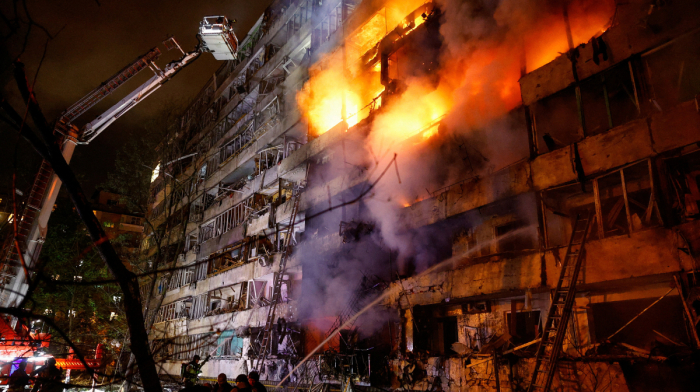
Air defence activity was heard over Kyiv early Wednesday, hours after a Russian missile strike killed two people and injured 21 in the Ukrainian ca...
A building at Saudi Aramco’s headquarters in ...
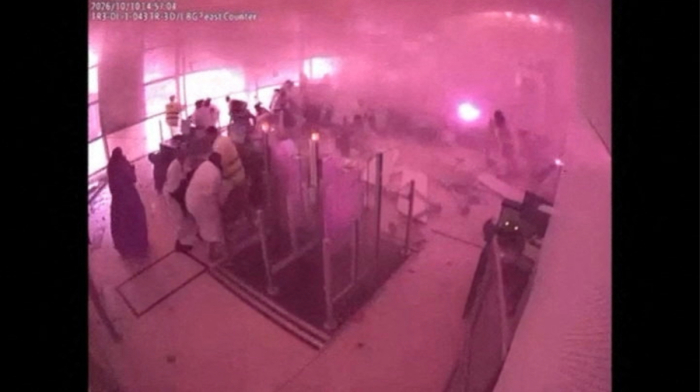
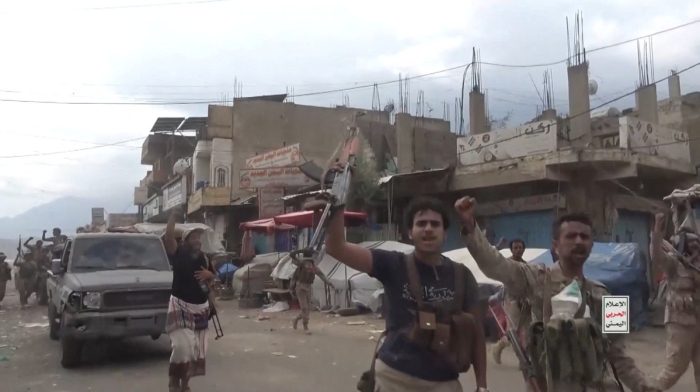
One person was killed and nearly a dozen hurt in a fresh attack on Riyadh's international airport on Sunday, Saudi authorities reported, a day after a strike claimed by Yemen's Houthis killed 13 people and wounded more than 300.
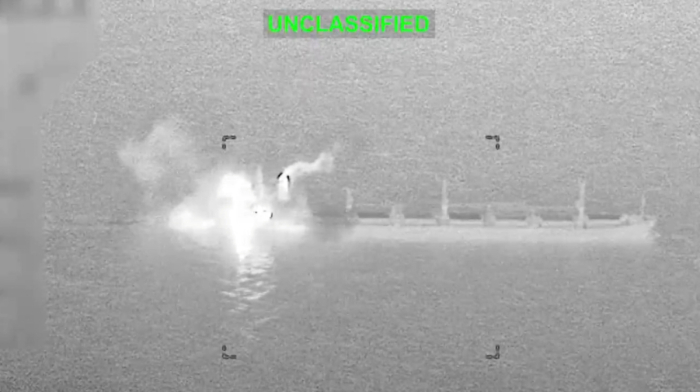
The Saudi-led coalition in Yemen said late Monday that it intercepted and destroyed two ballistic missiles launched by the Houthi group toward Khamis Mushait in southwestern Saudi Arabia.
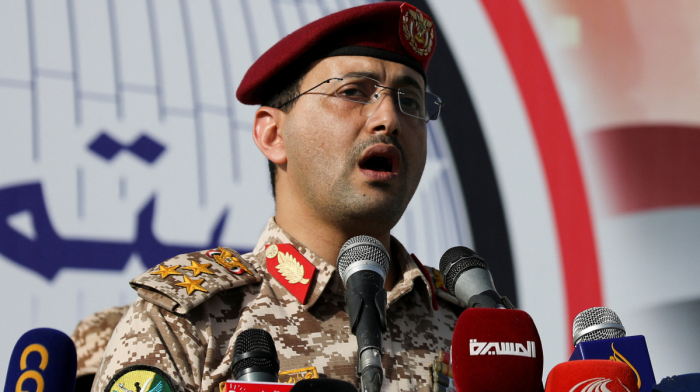
The Houthi movement has escalated their attacks on Saudi Arabia, targeting the airport in Riyadh and other cities, killing more than a dozen people.
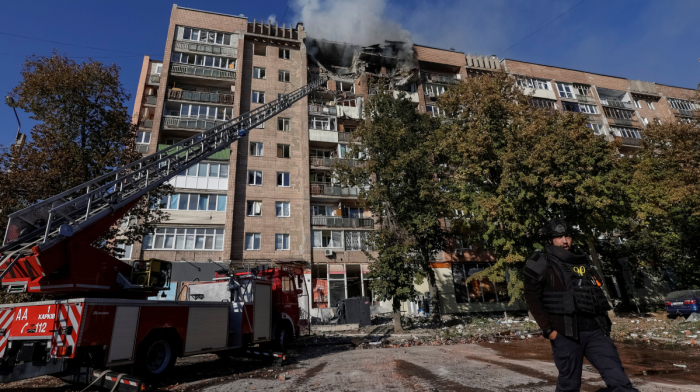
The Kremlin on Monday rejected a 60-day ceasefire idea proposed by Ukrainian President Volodymyr Zelenskyy to allow his country to hold presidential elections, saying it wanted an overall peace deal instead.
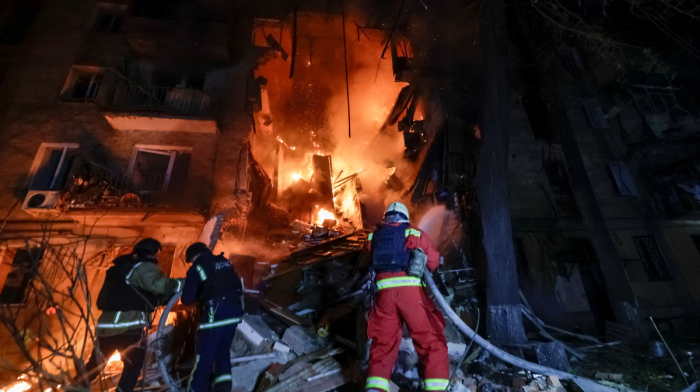
Ukrainian President Volodymyr Zelenskyy says Russia hit at least six energy targets in deadly strikes across Ukraine, showing Moscow is unwilling to accept the energy ceasefire announced by U.S. President Donald Trump.
U.S. Secretary of State Marco Rubio will depart on Saturday (17 October) on a five-day trip to India and Uzbekistan, the State Department said, adding that he will discuss energy cooperation in India.
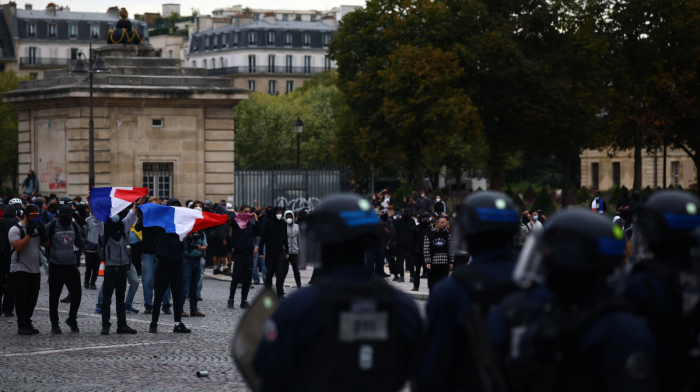
French riot police clashed with student protesters in Paris on Tuesday, using tear gas and water cannon and making arrests as demonstrations over school conditions continued across the country.
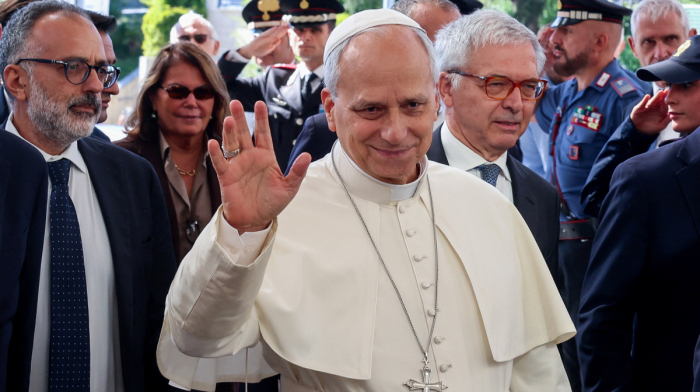
Pope Leo has been diagnosed with lung cancer after surgeons removed part of his right lung, the Vatican said on Tuesday, in the first major health setback of his pontificate.
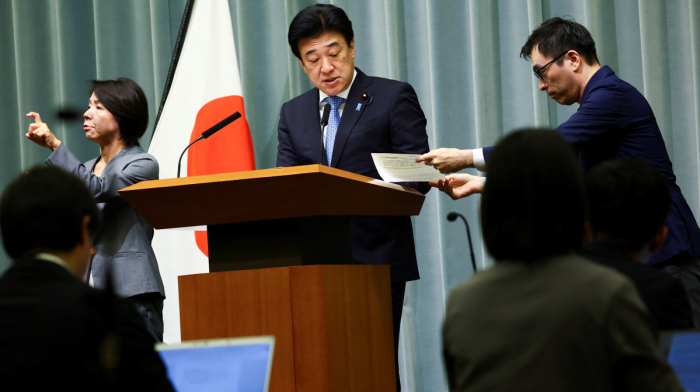
Russia’s Federal Security Service (FSB) has detained a Japanese journalist on suspicion of espionage, as relations between Moscow and Tokyo remain strained over Russia’s war in Ukraine.
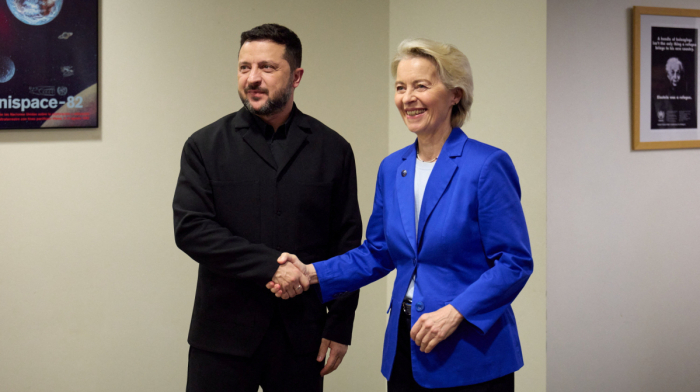
The European Union has opened accession negotiations with Ukraine on two major policy clusters, marking another step in Kyiv's long-term effort to join the bloc.
You can download the AnewZ application from Play Store and the App Store.




What is your opinion on this topic?
Leave the first comment