Start your day informed with the AnewZ Morning Brief. Here are the top stories for the 8th of September, covering the latest developments.
Russian strikes kill 2 people in Kyiv after U.S. peace envoys leave
At least two people were killed and seven injured in Russian strikes on Kyiv, Ukraine’s Military Administration said. The attacks came hours after U.S. peace envoys left Ukraine following peace talks. Poland also activated military aircraft amid concerns over its airspace.
Iran warns U.S. of ‘economic warfare’ as Gulf tensions surge
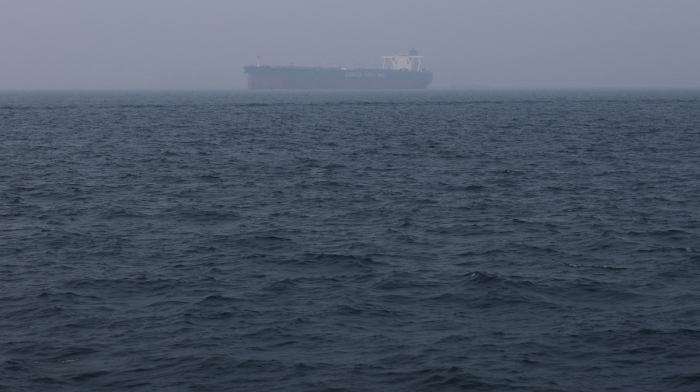
Iran has threatened the U.S. with “economic warfare” and claimed it fired an advanced missile at U.S. warships, raising fears of further escalation. Tensions have also spread across the Persian Gulf, with Houthi attacks in Saudi Arabia and continued disruption to shipping through the Strait of Hormuz.
Jakarta airport reopens after volcanic ash disruption
Indonesia has reopened Jakarta’s main airport and four others after volcanic ash from Mount Anak Krakatau disrupted nearly 3,000 flights and affected more than 340,000 travellers. Fresh eruptions on Tuesday, (8 September), were smaller, but authorities warned that changing ash and wind conditions could cause further disruption.
North Korea and Russia seal growing alliance with new road bridge
North Korea and Russia have opened their first dedicated road bridge across the Tumen River, strengthening transport and economic ties between the two countries. The 1km bridge will initially carry freight and is expected to handle up to 300 vehicles a day. The opening comes as Moscow and Pyongyang deepen their strategic and military cooperation, particularly over the war in Ukraine. Russian Prime Minister Mikhail Mishustin called it “a new symbol of friendship”.
Kazakhstan plans 14-satellite Earth observation network
Kazakhstan plans to develop an international Earth observation satellite network of up to 14 spacecraft, with nine initially planned by 2030 alongside Mongolia, the Democratic Republic of the Congo and Nigeria. The satellites will monitor natural resources and environmental changes, while Kazakhstan also participates in a joint Turkic satellite project due to launch in 2027.


















What is your opinion on this topic?
Leave the first comment