The U.S.-Iran conflict continues to knock on the door of the Gulf region. Following overnight U.S. air strikes against Iranian military targets, Iran has retaliated by shooting missiles and armed drones toward areas hosting American forces across neighbouring nations.
Iran made claims of U.S. military casualties, but U.S. officials denied the reports, saying there were no American casualties in the attacks.
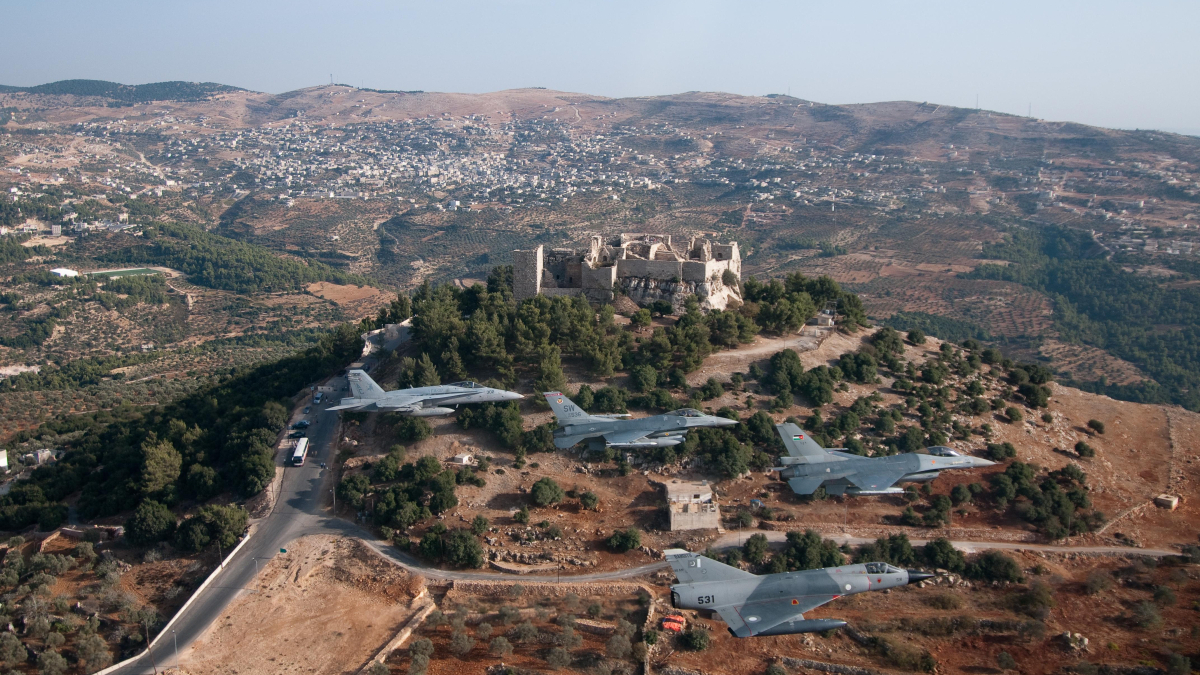
Meanwhile, military forces across the region went on maximum alert. Following counterattacks by Iran, countries hosting U.S. military installations were activated: Kuwait reported interceptions, Bahrain placed its capital on alert and Jordan says it intercepted 10 of 13 ballistic missiles entering its airspace.
New defence scenarios for Arab states
What started as a direct fight between Washington and Tehran has quickly turned into an urgent security crisis for the Arab countries hosting U.S. troops.
More than 50,000 U.S. military personnel are deployed across the Middle East. For Gulf governments, this creates a difficult security dilemma as those bases can become targets in an Iranian retaliation, putting host countries potentially in the line of fire even when they are not directly involved in the U.S. military operation.
The security environment in the Gulf changed sharply after the U.S. and Israel launched their war against Iran on February 28, followed by Iranian missile and drone attacks across the region.
The scale of the attacks has pushed Gulf states to strengthen layered air defences, combining systems such as Patriot and THAAD with radars and other technologies designed to counter cheaper drones.
The shift is also reflected in new U.S. arms deals: in March, Washington approved more than $16.5 billion in potential sales to the UAE, Kuwait and Jordan, including $8.4 billion for the UAE for drones, missiles, radars and F-16-related equipment.
But security now no longer depends on military power or weapons stationed along the world’s most strategic shipping route. The Strait of Hormuz matters to the entire region and to the global economy and every new escalation puts that vital lifeline under greater pressure. With the risks of further confrontation growing, the biggest hope may now lie in negotiations even diplomacy itself comes under pressure.
Read more:














What is your opinion on this topic?
Leave the first comment