Groundwater has fallen by as much as 150 to 200 metres in some parts of Kabul, according to a senior water official, as families in Afghanistan’s capital struggle with dry wells and increasingly unreliable supplies.
State owned corporation Urban Water Supply and Sewage (UWASS), said western Kabul and areas including Khair Khana have been particularly affected.
“In some areas, the water table has fallen by as much as 150 to 200 metres. People are facing serious challenges as a result,” it said.
For residents such as Abdul Wali, the crisis is already affecting everyday life. His family’s underground well dried up several years ago, while water supplied through a state pipeline now arrives only once or twice a week.
“It used to work well, but for the past year, we have only been getting water once or twice a week. Even then, the water does not come during the day.”
Pressure beneath Kabul
Humanitarian aid organisation Mercy Corps, says Kabul’s groundwater levels have dropped by 25 to 30 metres over the past decade, with the city extracting groundwater at nearly twice the rate it can naturally replenish.
The organisation has warned that without major action, Kabul’s groundwater reserves could reach critical levels by 2030.
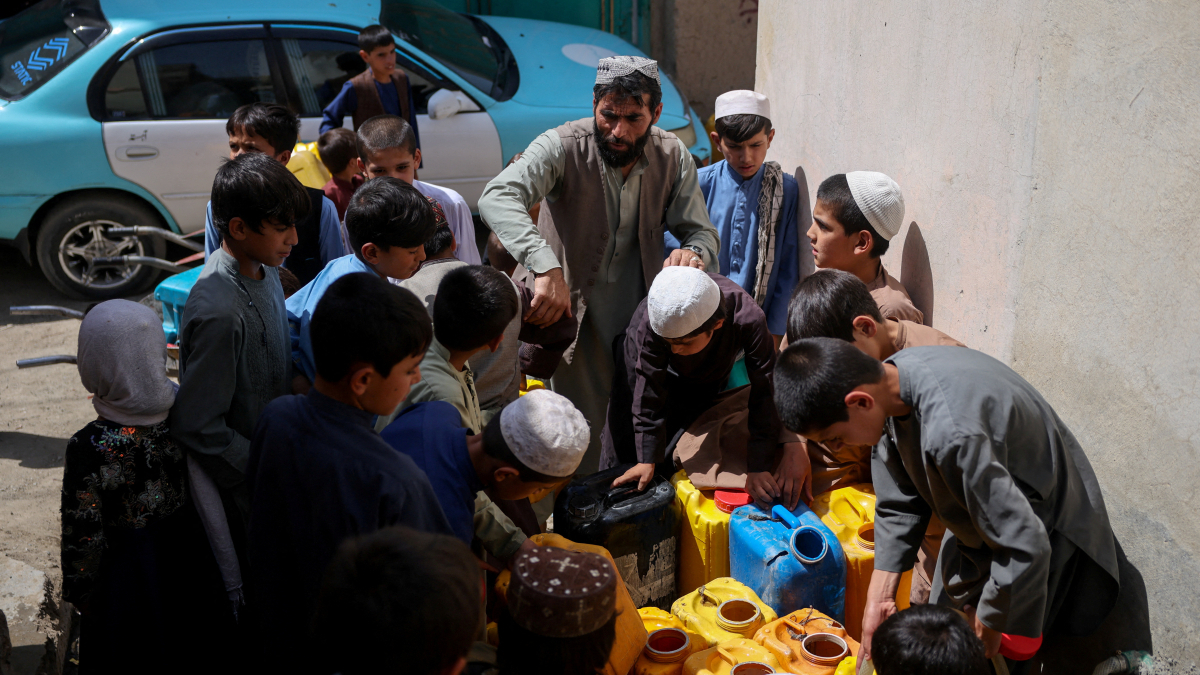
Wali said families in his neighbourhood are increasingly turning to a local mosque for water.
“Now, we have no option but to go to the local mosque and bring water from there to our home. This problem is not just mine.”
New water sources planned
UWASS Spokesperson, Rahmatullah Sarem said that authorities are considering three major sources to reduce Kabul’s dependence on groundwater, including the proposed Shatoot (Lalandar) Dam, the Panjshir River and the Shah wa Arus Dam.
“Water would be transferred from Panjshir’s Doab area to Kabul, which could provide water to around two million people.”
He said survey and design work is under way for the Panjshir project, while administrative work continues on transferring water from Shah wa Arus.
But implementation remains uncertain. The Taliban authorities remain largely internationally unrecognised, while Afghanistan has limited access to major international financing mechanisms, raising questions about whether large water infrastructure projects can be completed without support from international organisations, donors or private investors.
Sarem said successful implementation could reduce pressure on underground reserves.
“If these projects are implemented, we should not face a serious problem in 2030 or beyond.”
Read more about Afghanistan:




















What is your opinion on this topic?
Leave the first comment