live Russian strikes destroy sorting centres of Ukrainian postal firm
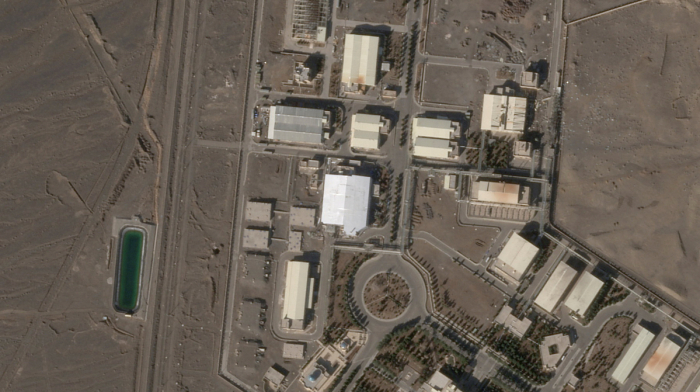
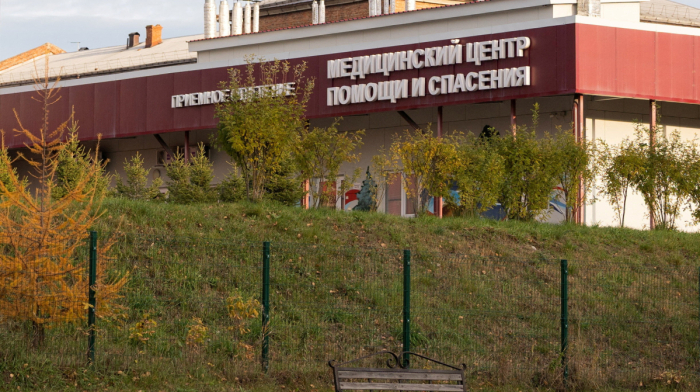
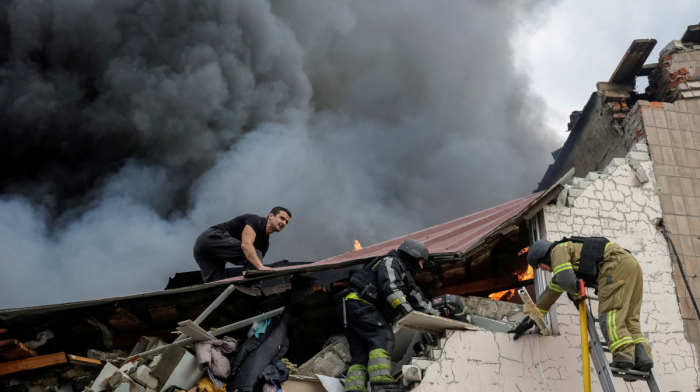
Mail sorting centres used by Nova Poshta, Ukraine's largest private postal company, were destroyed&nbs...
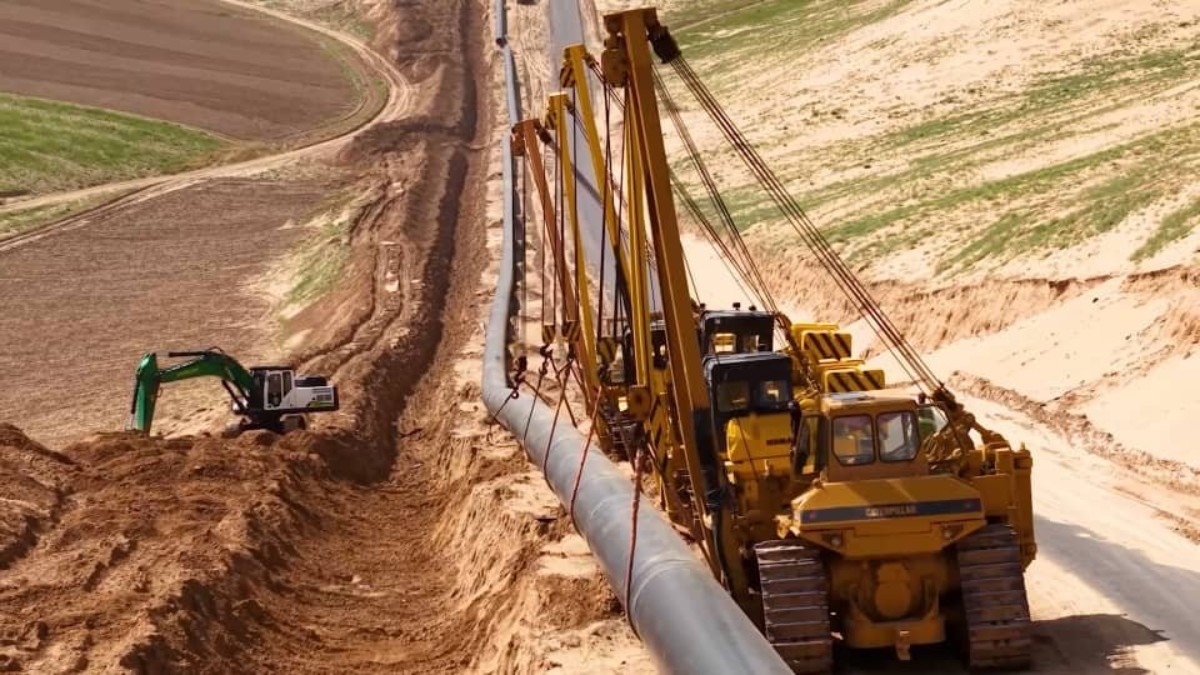
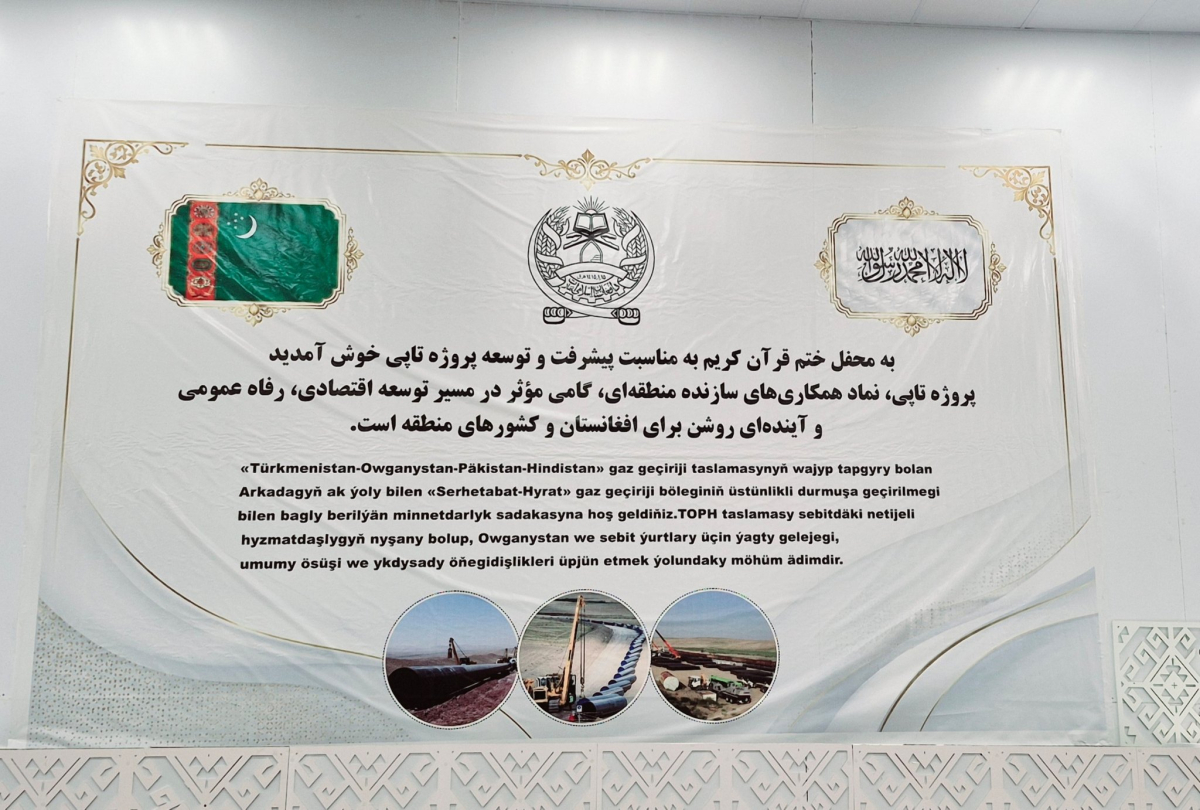
Afghanistan’s western Herat province could begin receiving natural gas through the long-delayed TAPI pipeline within two months, Governor Noor Ahmad Islamjar said on Thursday. It would give local factories a new fuel source and move a decades-old regional energy plan forward.
The approximately 1,800-kilometre pipeline is a joint project designed to carry 33 billion cubic metres of natural gas a year from Turkmenistan through Afghanistan to Pakistan and India. The Asian Development Bank (ADB) says Afghanistan would receive 5 per cent of the gas, with Pakistan and India each receiving 47.5 per cent.
According to Islamjar, Turkmenistan is currently finishing work on the Herat section.
“Turkmen officials will complete the project work and then hand it over to Herat officials,” he said.
Islamjar urged factory owners and residents to prepare to use TAPI gas. Earlier in August, Afghan Gas and Türkmengaz signed an agreement under which gas prices, Afghanistan’s demand and the distribution process will be determined.
Afghan authorities have estimated the country could also earn about $400 million a year in transit fees once the wider project becomes operational.

Discussions on moving Turkmen gas through Afghanistan began in the 1990s. The project gained momentum with ADB support in 2003, while India joined in 2008.
The pipeline was conceptualised to connect gas-rich Turkmenistan with energy markets in South Asia. Afghanistan could gain gas, transit income and jobs. Turkmenistan would gain another export route, while Pakistan and India could receive an additional long-term gas supply.

In 2016, Sean O’Sullivan, then Director General of the Asian Development Bank’s Central and West Asia Department, said, “It will unlock economic opportunities, transform infrastructure, diversify the energy market for Turkmenistan, and enhance energy security for the region.”
The Herat statement did not give a timeline for completion of the full pipeline to Pakistan and India.
Kremlin Spokesperson Dmitry Peskov has dismissed media reports that CIA Director John Ratcliffe visited Moscow earlier this week to warn Russia against attacking NATO, dismissing them as "scare stories," which had nothing to do with reality.
Rescuers in Nepal used helicopters on Thursday to scour for hundreds still missing after a wall of mud and rock collapsed into a river on the Himalayan border with China's Tibet, sending catastrophic floods through towns and valleys, killing 162 people.
Secretary of State Marco Rubio told allied foreign ministers Washington will focus on sanctions and other pressure on Iran “for the time being”, Axios reports. Meanwhile, Iran and Oman have resumed talks on a temporary shipping route through the Strait of Hormuz.
Iranian President Masoud Pezeshkian has called for greater economic cooperation among Muslim countries, saying their combined economic weight remains disproportionately small compared with their population, strategic location and resources.
Russia and Ukraine have exchanged 10 prisoners of war each in Belarus, Moscow's Human Rights Commissioner, Yana Lantratova, has said.
Kazakhstan’s government has stepped down as the newly elected unicameral parliament, known as the Kurultai, begins its first session, marking the next stage of political restructuring under the country’s new Constitution.
Kazakhstan’s President Kassym-Jomart Tokayev has joined other world leaders in supporting a social media ban for youth under 16 years old. He made the statement during a session of the newly elected parliament in Astana on Friday.
The death toll from flooding in Nepal has climbed to 469, the South Asian country’s police said on Friday. Almost 1,000 people are still missing in Nepal and neighbouring Tibet, following the glacier collapse near the border with China on Wednesday morning.
The inaugural Silk Road Finance & Technology Forum brought together policymakers, investors and technology companies as Central Asia looks to build a more connected financial system and compete for a bigger share of global fintech investment.
Kazakhstan is discussing support for the Trans-Caspian green energy corridor with the European Commission, as work continues on a project to transmit electricity from Central Asia towards European markets, Kazakhstan's Energy Ministry said.
You can download the AnewZ application from Play Store and the App Store.
What is your opinion on this topic?
Leave the first comment