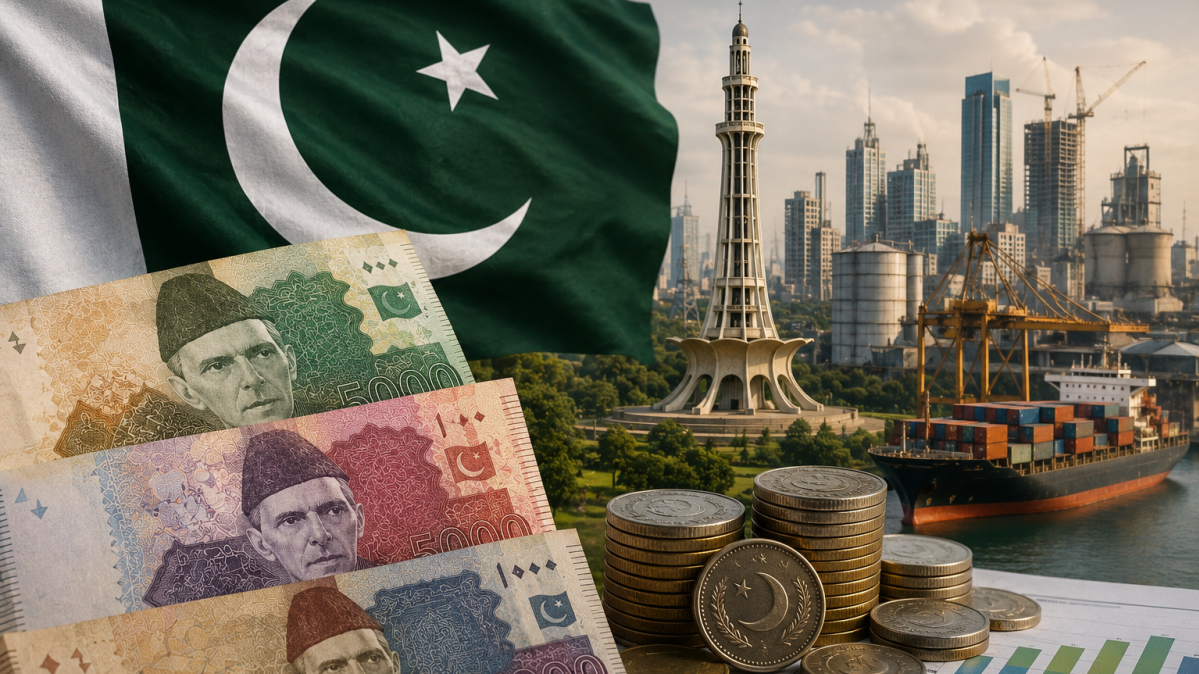
Pakistan is treading carefully as Washington tightens the economic squeeze on Iran, caught between a neighbour with which it is expanding trade and a country whose financial system remains vital to its economy.
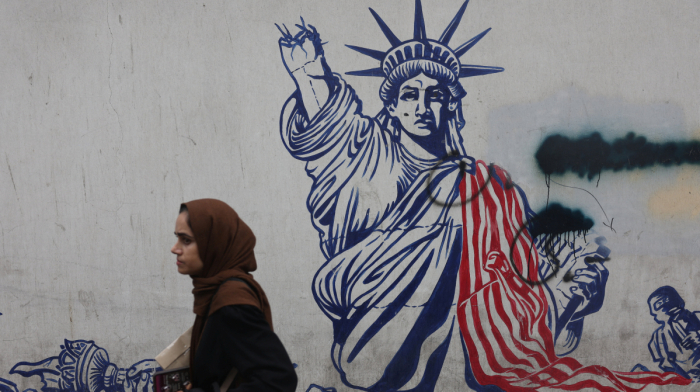
The pressure intensified on 24 August, when Washington launched “Operation Economic Outcast”, a sweeping campaign designed to sever Iran’s financial links with the outside world and increase the risk of secondary sanctions for foreign entities dealing with Tehran.
U.S. Treasury Secretary Scott Bessent warned that countries and companies maintaining economic ties with Iran could face consequences. The campaign covers sectors including shipping, aviation, technology, gold and digital assets.
For Pakistan, the timing is particularly difficult.
Pakistan says Iran trade remains within international law
Just weeks before the latest U.S. measures, Pakistan and Iran agreed to deepen economic ties and work towards a $10 billion annual trade target.
At their 10th Joint Trade Committee meeting in Islamabad this month, the two sides agreed to expand barter trade, activate joint border markets, improve customs and transport links and advance negotiations on a proposed free trade agreement.
Against that backdrop, Pakistan’s Foreign Office has sought to draw a line between its existing commitments and Washington’s sanctions campaign.
“Pakistan is following international law, and our bilateral trade agreements with Iran,” spokesperson Tahir Andrabi said on Thursday, adding that trade with Iran remained in accordance with Pakistan’s obligations.
He also said Pakistan hoped that economic issues would ultimately be settled as part of a wider resolution of the U.S. and Iran confrontation, because they were important to a viable settlement.
Pakistan keeps its mediation channel open
Islamabad is also trying to keep diplomacy moving.
Field Marshal Asim Munir travelled to Tehran on 24 August with Interior Minister Mohsin Naqvi, meeting Iran’s president, parliament speaker, foreign minister and senior security officials.
The Foreign Office rejected claims that Munir had gone as an envoy for President Donald Trump, calling those reports misleading and factually incorrect. Andrabi said the visit was part of Pakistan’s own mediation effort, focused on regional de-escalation, breaking the military stalemate and exploring a negotiated settlement.
That role gives Pakistan an interest in keeping communication open even as Washington escalates economic pressure.
Strait of Hormuz adds another risk
The stakes extend beyond Pakistan’s trade with Iran.
Islamabad is also seeking progress on reopening the Strait of Hormuz, a vital energy route whose disruption has widened the economic consequences of the conflict.
Andrabi said renewed efforts followed Munir’s Tehran visit, while cautioning that the final decision rests with Washington and Tehran.
For Pakistan, the challenge is therefore not simply about sanctions or trade.
It is about preserving a growing economic relationship with a neighbouring Iran, protecting access to the wider global financial system and keeping alive a diplomatic channel that Islamabad believes could help bring the confrontation to an end.
As Washington reaches deeper into Iran’s economic networks, Pakistan’s room to manoeuvre is becoming narrower.
Read more:














What is your opinion on this topic?
Leave the first comment