




23:25 CET
Nigeria confirms Ebola case in Abuja
Nigerian health authorities have confirmed a case of Ebola disease in the Federal Capital Territory (FCT)...
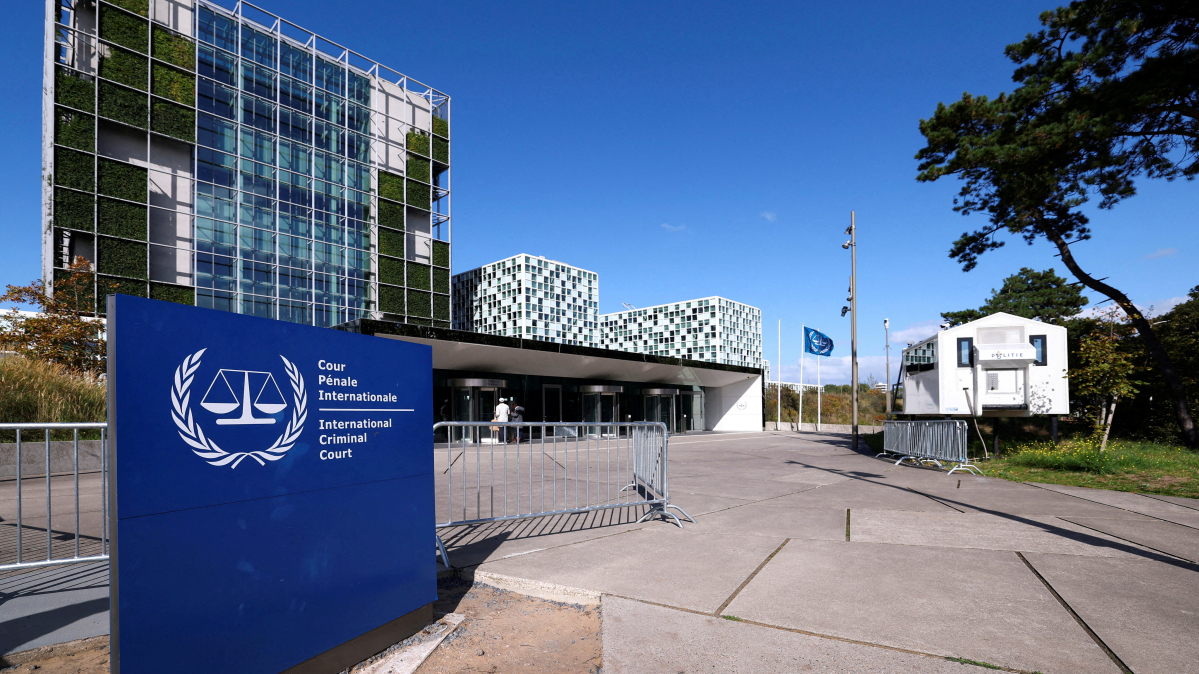


The U.S. imposed sanctions on the International Criminal Court's (ICC) President Tomoko Akane and a senior trial lawyer at the court Abdoulaye Seye on Tuesday, Secretary of State Marco Rubio said.
The move is the latest escalation in the Trump administration's campaign against The Hague-based court, which was established in 2002 by the international community to prosecute war crimes, genocide and crimes against humanity. The U.S. is not a member of the court.
Rubio said in a statement that he was imposing sanctions on Akane, a Japanese judge who is president of the ICC, and Seye, a senior trial lawyer and a Senegalese national, under a Trump executive order last year authorising sanctions against the court.
Seye was on the prosecution team that sought an arrest warrant for Israeli Prime Minister Benjamin Netanyahu, and has been nominated for election as an ICC judge.
"These individuals have directly engaged in efforts by the ICC to investigate, arrest, detain, or prosecute officials whose government has not consented to ICC jurisdiction," Rubio said.
The U.S. imposed targeted sanctions last year on several ICC officials, including prosecutors and judges, citing the ICC's arrest warrants for Netanyahu and former Israeli Defense Minister Yoav Gallant, as well as a past probe into U.S. troops in Afghanistan.
U.S. President Donald Trump has said the campaign was aimed at defending Netanyahu and others from prosecution, rather than himself.
Rubio argued that the court posed a threat to U.S. personnel carrying out Trump's hardline immigration policies or strikes on boats accused of carrying drugs, as well as other U.S. service members.
The sanctions freeze any U.S. assets the individuals may have and essentially cut them off from the U.S. financial system, with which almost all internationally operating banks have close ties.
The U.S. Treasury Department also issued a general license on Tuesday (18 August) authorising the wind-down of transactions involving Akane and Seye through to 17 September.
Dutch Foreign Minister Tom Berendsen said on X that the Netherlands, which hosts the court, disapproved of the latest U.S. sanctions and he had invited Akane to "discuss our continued support."
In a rare criticism of its U.S. ally, Japan on Wednesday described Washington's decision to impose sanctions as "very unfortunate."
"Japan has consistently supported the ICC, which is a permanent international criminal court, in its efforts to prosecute and punish the most serious crimes of concern to the international community," Japan's Foreign Ministry said in a statement.
It also said that Japan will stay commited to strenghthening the rule of law in the international community and will have talks with relevant countries.
Japan, which relies heavily on U.S. military power for its defence, rarely criticises Washington. The sanctions campaign has also put the U.S. at odds with its European allies.
The ICC on Wednesday said it "deplores" the latest move by Washington, which took the number of sanctioned staff members to 13, including nine out of eighteen judges, both deputy prosecutors, the former prosecutor and a trial attorney.
"These sanctions are a flagrant attack against the independence of an impartial judicial institution," it said.
"When judicial actors are threatened for applying the law, it is the international legal order itself that is placed at risk. Threats and coercive measures also impact the ability of victims to seek justice, as they turn to the court when all other avenues have been exhausted," it said.
At least five of the court's 125 member states have announced plans to withdraw in recent months amid escalated U.S. pressure.
Three ICC judges sued Trump and his administration in June over sanctions, arguing the measures were unlawful.
Advocacy groups, in two separate lawsuits, have said that the U.S. campaign infringes on the constitutional rights of organisations working with the court to seek justice for atrocities around the world.

Nigerian health authorities have confirmed a case of Ebola disease in the Federal Capital Territory (FCT)...
China has lodged a formal diplomatic protest with the UK after British border officials allegedly subjected Chinese travellers to lengthy questioni...
Member states of the Shanghai Cooperation Organisation (SCO) prevented 273 terrorist attacks and more than 3,000 crimes linked to terrorism, separa...
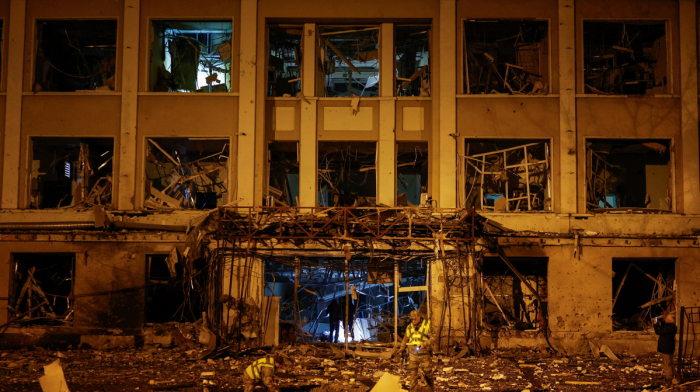
U.S. President Donald Trump has criticised Ukrainian President Volodymyr Zelenskyy for continuing to target Russia's energy infrastructure, while Russian strikes on Kyiv overnight killed at least one person and damaged a metro station.
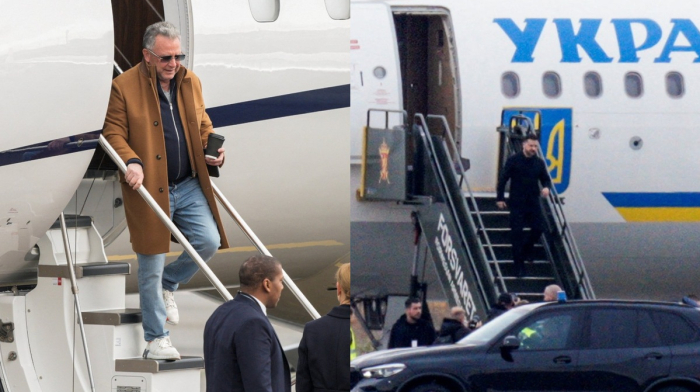
Ukrainian President Volodymyr Zelenskyy has arrived in Norway for talks about the Russia-Ukraine war. He is expected to meet with U.S. President Donald Trump's Special Envoy Steve Witkoff, who arrived in Oslo earlier. Witkoff will also meet European officials.
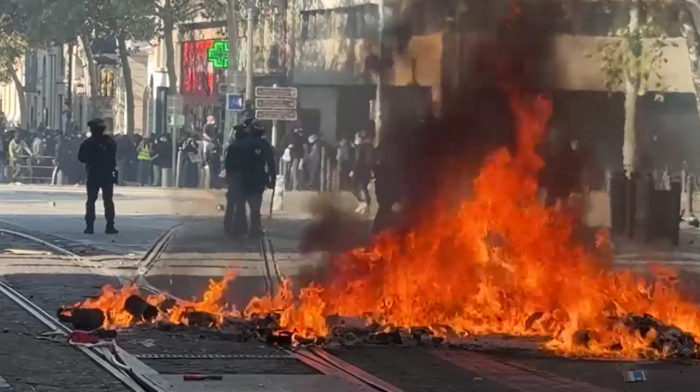
French President Emmanuel Macron has condemned the violence, looting and vandalism that erupted during cost-of-living protests across France. Prime Minister Sébastien Lecornu held crisis talks on Monday, calling for partial curfews and raising the possibility of a state of emergency.
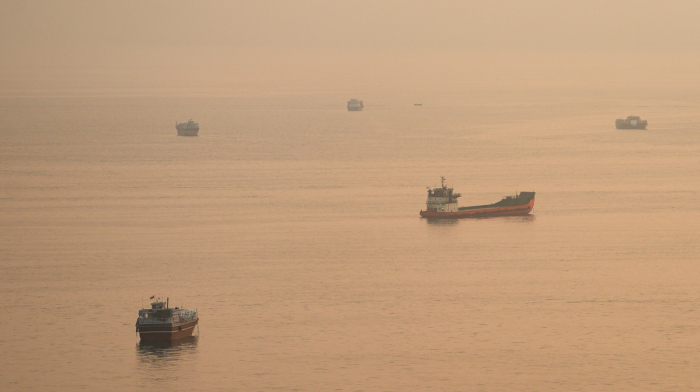
An oil tanker caught fire after striking a naval mine in the southern part of the Strait of Hormuz, Iran’s Islamic Revolutionary Guard Corps (IRGC) Navy said late Sunday.
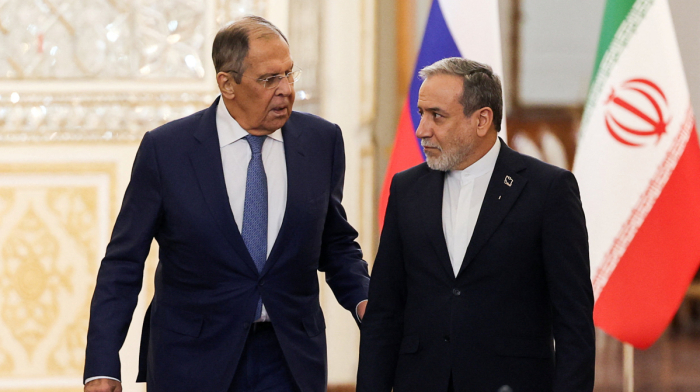
Iranian Foreign Minister Abbas Araghchi said regional issues should be resolved through diplomacy and blamed the United States for insecurity and tensions in the Strait of Hormuz, speaking at a joint news conference with Russian Foreign Minister Sergey Lavrov on Monday.
Nigerian health authorities have confirmed a case of Ebola disease in the Federal Capital Territory (FCT), prompting the activation of emergency public health measures aimed at preventing further transmission of the deadly virus.
China has lodged a formal diplomatic protest with the UK after British border officials allegedly subjected Chinese travellers to lengthy questioning and seized personal electronic devices, including phones, laptops and smartwatches.
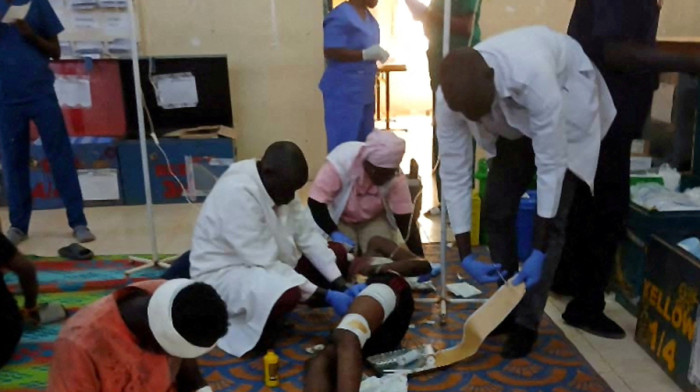
More than 150 people have been killed in a drone strike on a crowded market in the disputed Abyei region, South Sudanese officials said, marking one of the deadliest attacks linked to Sudan's civil war since it began in April 2023.
Ukrainian President Volodymyr Zelenskyy has arrived in Norway for talks about the Russia-Ukraine war. He is expected to meet with U.S. President Donald Trump's Special Envoy Steve Witkoff, who arrived in Oslo earlier. Witkoff will also meet European officials.
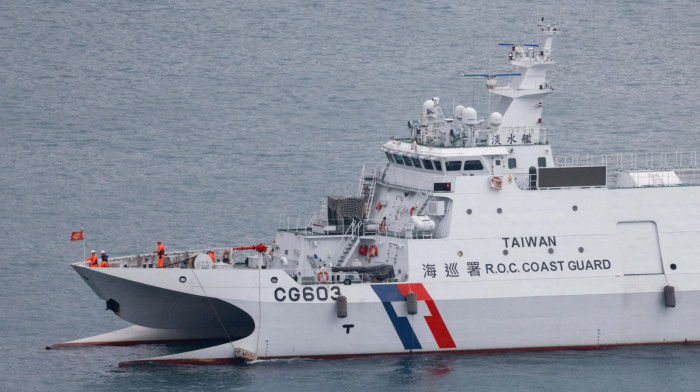
Beijing says it deployed naval forces to monitor a U.S. warship near Sabina Shoal, while Taiwan reports a separate confrontation with a Chinese coast guard vessel near the Pratas Islands.
You can download the AnewZ application from Play Store and the App Store.




What is your opinion on this topic?
Leave the first comment