Brazil has taken the first formal step towards potential retaliatory action against the United States following the Trump administration's decision to impose new tariffs on Brazilian exports, signalling a further deterioration in relations between the two countries.
In a statement released on Thursday, the Brazilian government said it had initiated a process that could ultimately lead to reciprocal measures against Washington. The move comes after the United States imposed tariffs on a range of Brazilian products, a decision Brasília described as both unjustified and arbitrary.
For now, Brazil's response remains focused on diplomacy. Officials have requested additional consultations with U.S. trade authorities in an effort to resolve the dispute before moving towards countermeasures.
Trade tensions escalate
The latest disagreement stems from tariffs announced by the United States last month.
Washington imposed a 25 per cent duty on certain Brazilian goods, citing what it described as unfair trade practices. Additional tariffs affecting imports from dozens of countries, including Brazil, were also introduced over concerns about the enforcement of restrictions related to forced labour.
The measures have added fresh strain to a relationship that has become increasingly tense in recent months, with disagreements extending beyond trade policy into broader diplomatic issues.
Brazilian officials argue that the tariffs unfairly target the country's exports and risk harming key sectors of the economy. The government has pledged to challenge the measures through the appropriate international channels while keeping the door open for negotiations.
Reciprocity law under consideration
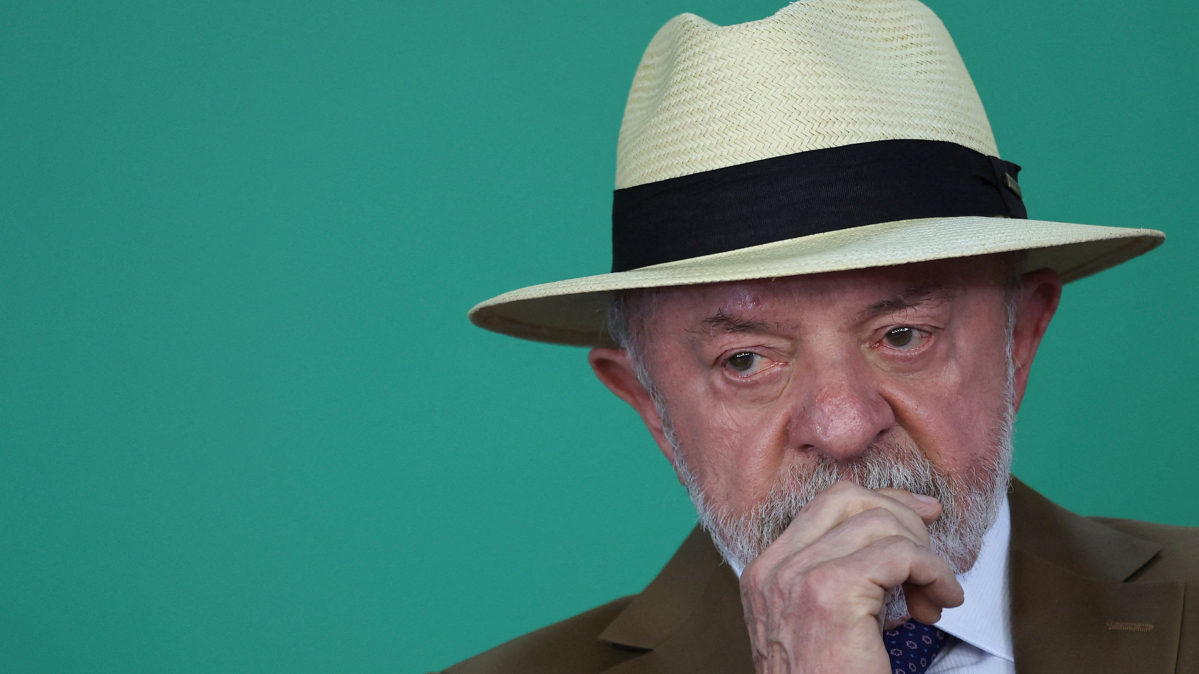
When the tariffs were first announced, President Luiz Inácio Lula da Silva said his administration was prepared to use Brazil's so-called "Reciprocity Law", legislation designed to allow the country to respond to trade restrictions imposed by foreign governments.
Unlike traditional tariff retaliation, the law gives Brasília a broader range of options. Brazilian policymakers appear cautious about imposing direct import tariffs on U.S. goods because such measures could disrupt domestic supply chains or contribute to higher prices for Brazilian consumers.
Instead, officials are examining other forms of response that could put pressure on U.S. interests without creating high economic costs at home.
Wider measures possible
Among the options reportedly considered by the government are restrictions affecting American audiovisual companies operating in Brazil, as well as the suspension of certain pharmaceutical and agricultural patent protections.
Such steps would represent a more unconventional response to a trade dispute and could affect sectors far beyond goods exports.
Analysts say the approach reflects Brazil's attempt to find leverage in a relationship where direct tariff-for-tariff retaliation may not be economically advantageous.
At the same time, officials have stressed that no final decision has been made and that consultations with the United States remain the preferred path.
Waiting for negotiations
The opening of the consultation process does not automatically trigger retaliatory measures. Instead, it creates a framework through which Brazil can seek explanations from Washington and assess possible responses if talks fail to produce a resolution.
The coming weeks are likely to determine whether the dispute remains a trade disagreement or develops into a broader confrontation between two of the Western Hemisphere's largest economies.
For now, Brazil is signalling that it is prepared to defend its interests while leaving room for diplomacy. Whether that approach succeeds may depend on Washington's willingness to revisit the tariffs that prompted the latest row.



















What is your opinion on this topic?
Leave the first comment