Nagasaki marked the 81st anniversary of the U.S. atomic bombing on Sunday, with Mayor Shiro Suzuki condemning the use and possession of nuclear weapons and warning against growing reliance on nuclear deterrence.
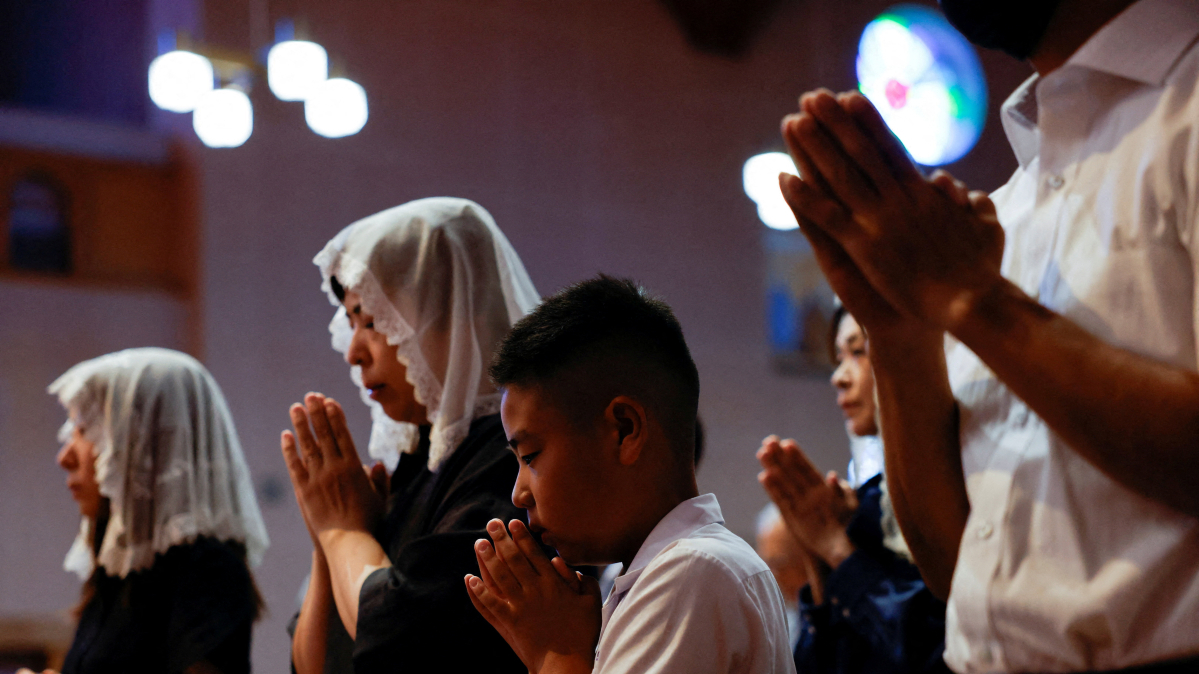
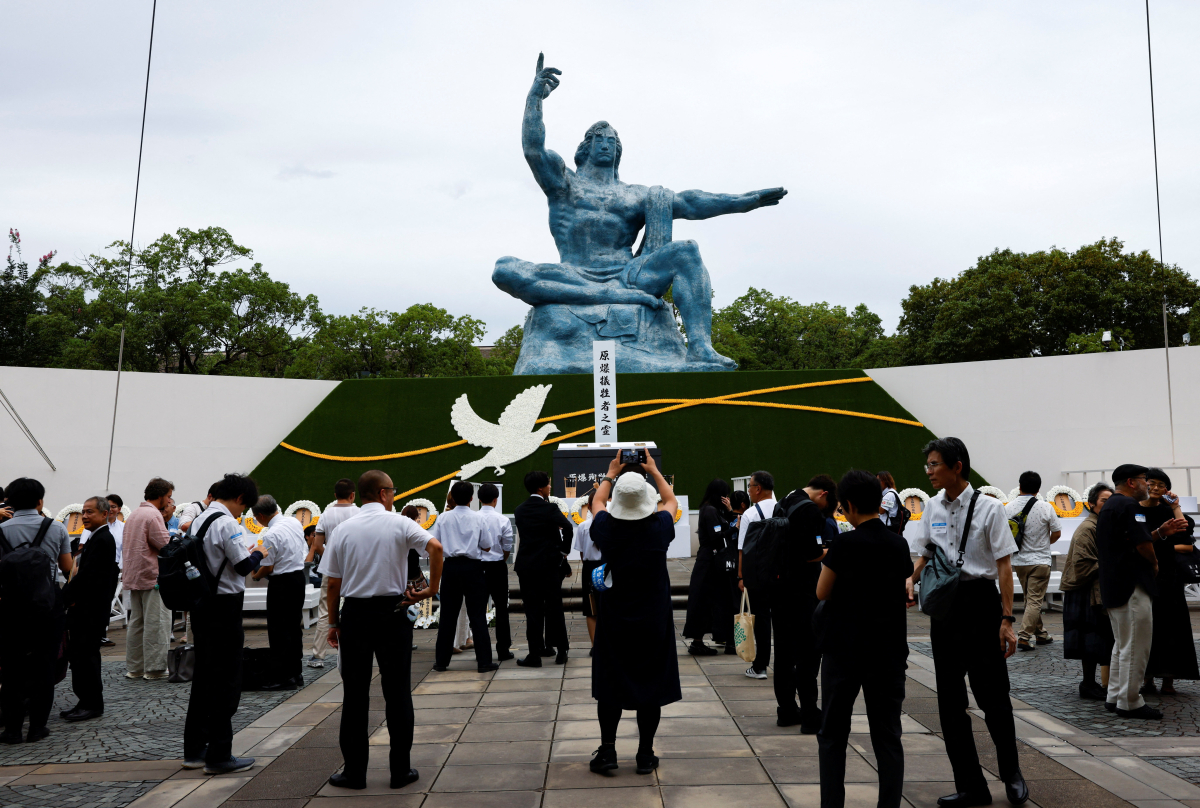
Participants gathered at Nagasaki Peace Park, where a peace bell was rung before a minute of silence was observed at 11:02 a.m. local time (02:02 GMT), the exact time the atomic bomb exploded over the city on 9 August 1945.
The Nagasaki bombing came three days after the U.S. dropped the world’s first atomic bomb used in warfare on Hiroshima. The plutonium-based bomb dropped on Nagasaki, nicknamed “Fat Man”, devastated large parts of the city, killing tens of thousands of people in the initial blast and its aftermath. By the end of 1945, the death toll in Nagasaki was estimated at around 74,000, while many survivors later suffered illnesses linked to radiation exposure.
Japan announced its acceptance of the Allied surrender terms on 15 August 1945, six days after the Nagasaki bombing, and formally signed the instrument of surrender on 2 September. Survivors of the Hiroshima and Nagasaki bombings, known in Japan as hibakusha, have since played a prominent role in campaigns to preserve the memory of the attacks and advocate for nuclear disarmament.
Addressing the ceremony, Suzuki said the concept of nuclear deterrence posed a serious danger and urged the international community to recognise the humanitarian consequences of nuclear weapons.
“The theory of nuclear deterrence is extremely risky,” Suzuki said. “Nuclear weapons are not a ‘necessary evil’ but an ‘absolute evil’, and humanity and nuclear weapons can never coexist.”
Suzuki called for greater international efforts towards lasting peace and a world free of nuclear weapons. His peace declaration also warned of mounting nuclear risks at a time of heightened geopolitical tensions and renewed debate over nuclear arsenals.
"As mutual distrust, conflict, and division spread throughout the international community, the 'rule by force' by major powers is becoming rampant. The situations in Ukraine and the Middle East - where nuclear-armed states are directly involved - remain unpredictable," he said.
"The atomic bombings of Hiroshima and Nagasaki forced us to confront the reality that humanity had crossed even the line of using nuclear weapons against human beings. The atomic bomb survivors and the cities that suffered the bombings - who have experienced first-hand the destructive power of nuclear weapons that shatter both human life and dignity to pieces - speak with conviction based on their experiences."
PM Takaichi pledges continued disarmament efforts
Japanese Prime Minister Sanae Takaichi also attended the ceremony, reaffirming Japan’s commitment to efforts aimed at preventing the spread of nuclear weapons.
Takaichi said Japan would continue working through the Nuclear Non-Proliferation Treaty (NPT) framework as part of what she described as realistic and practical efforts towards achieving a world without nuclear weapons.
"In fulfilment of our mission as the only nation to have suffered wartime atomic bombings, we are promoting realistic and practical initiatives toward the realisation of a world without nuclear weapons, based on our pledge to ensure that Nagasaki remains the last city to suffer a nuclear bombing."
She also stressed the importance of ensuring that the realities of the atomic bombings remain understood internationally.
"It is becoming increasingly important to spread an accurate understanding of the reality of the atomic bombings throughout the world. We will continue our efforts to pass on the memory of the devastation caused by the use of nuclear weapons by inviting world leaders and future leaders to visit the atomic-bombed cities and see the reality of the bombings first-hand," she said.
Read more about Japan:















What is your opinion on this topic?
Leave the first comment