The United Nations will choose its next secretary-general this summer, with António Guterres set to leave office after two terms. Several candidates have entered the race to become the UN’s 10th chief, but the selection process remains shaped by negotiations among major powers.
The secretary-general serves as the UN’s top official, acting as both a diplomat and administrator. The role involves mediating international disputes, representing UN values, overseeing thousands of staff members and coordinating the work of UN agencies around the world.
According to the UN Charter, the secretary-general is the organisation’s “chief administrative officer” and can bring issues that threaten international peace and security to the attention of the Security Council.
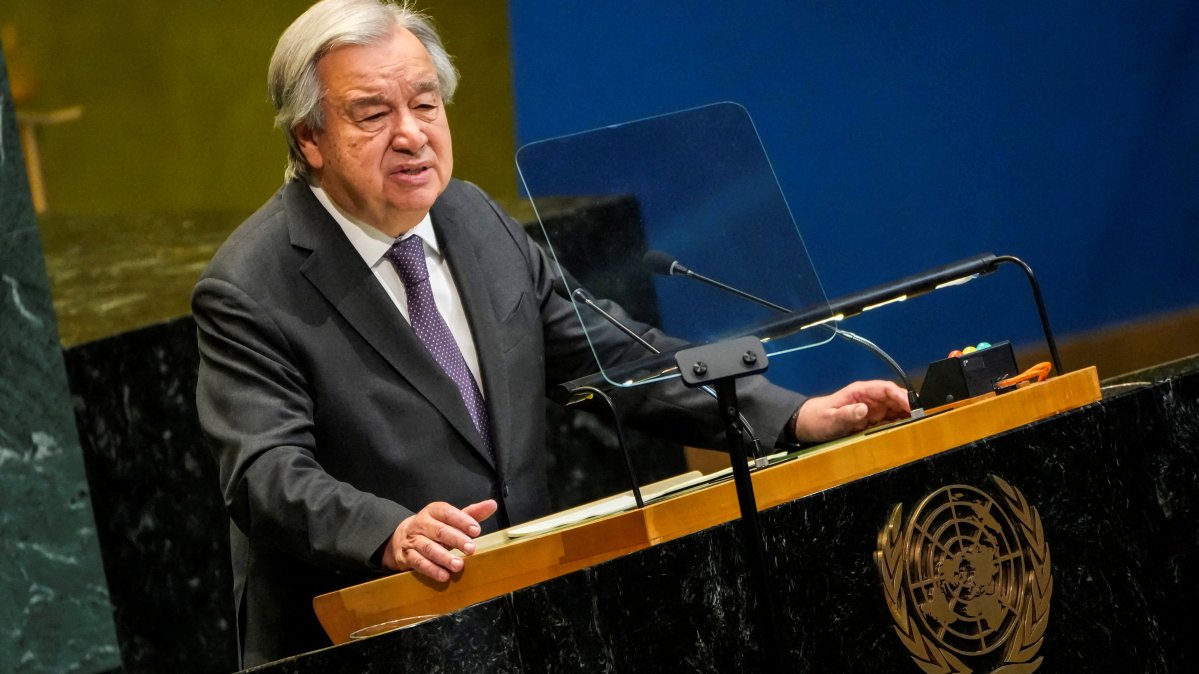
The current secretary-general, António Guterres of Portugal, became the ninth person to hold the post and took office on 1 January 2017.
His second term ends on 31 December, with a new secretary-general expected to begin a five-year term on 1 January 2027.
Why the role matters
Although the secretary-general cannot directly order military action or impose sanctions, the position carries significant diplomatic influence.
One of the key responsibilities is using the secretary-general’s “good offices”- diplomatic efforts aimed at preventing conflicts from escalating through negotiations and behind-the-scenes engagement.
The secretary-general must balance the interests of UN member states while also defending the organisation’s principles and speaking out on issues related to peace, human rights and international law.
Who are the candidates?
Several candidates are competing to become the next UN secretary-general, including diplomats and former leaders.
The 65-year-old Rafael Grossi, the director-general of the International Atomic Energy Agency (IAEA), was formally nominated by Argentina.
Former Chilean president Michelle Bachelet has pledged to rebuild trust in the organisation, while the secretary-general of the UN Conference on Trade and Development (UNCTAD) Rebeca Grynspan of Costa Rica has highlighted the need for reform.
Former Senegalese president Macky Sall has also called for the UN to be “reformed, streamlined and modernised” to address global challenges.
How is the secretary-general chosen?
The selection process begins with nominations from UN member states.
The UN Security Council then holds secret ballots, known as straw polls, to assess candidates. Council members can choose from the following options:
- “encourage”
- “discourage”
- “no opinion”
The five permanent members of the Security Council - the United States, Russia, China, the UK and France - play a decisive role because any one of them can block a candidate with a veto.
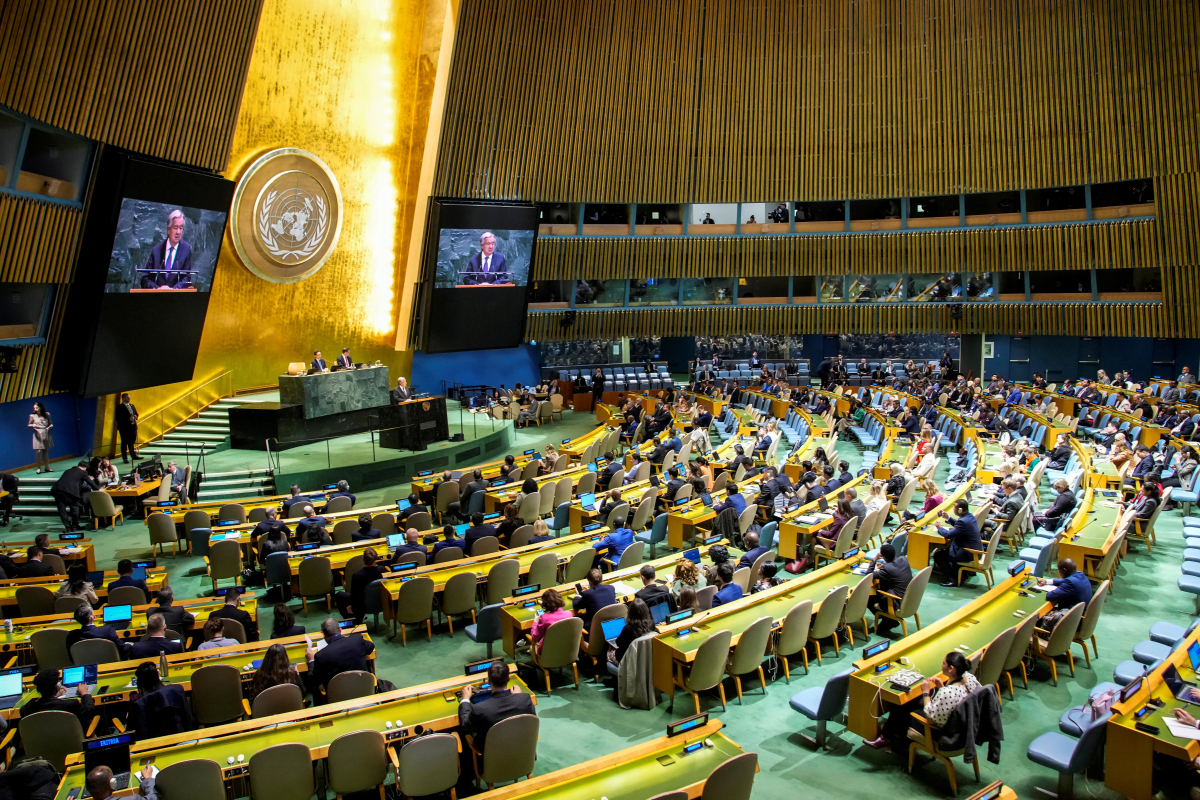
Once the Security Council agrees on a nominee, it recommends the candidate to the General Assembly, which formally approves the appointment.
How transparent is the process?
The United Nations has taken steps to make the traditionally closed-door selection process more transparent. Under a General Assembly resolution adopted in September 2025, candidates are expected to provide vision statements when formally nominated and have the opportunity to present their priorities to member states.
The selection process will follow General Assembly resolutions and be guided by principles of transparency and inclusivity.
Read more:















What is your opinion on this topic?
Leave the first comment