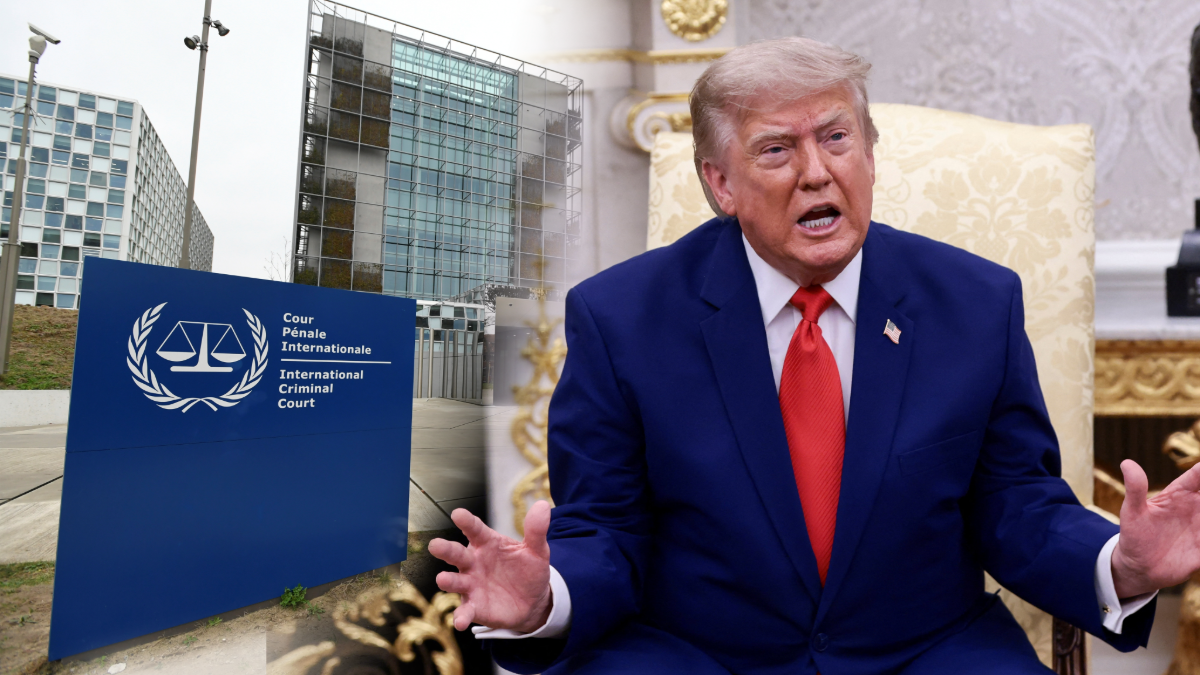
U.S. Secretary of State Marco Rubio has renewed the Trump administration's campaign against the International Criminal Court (ICC), accusing the Hague-based tribunal of threatening U.S. sovereignty and pledging further diplomatic action over its investigations.
Rubio's remarks mark the latest escalation in a decades-long dispute between Washington and the ICC over whether the tribunal can investigate citizens of countries that have not joined the Rome Statute.
What is the ICC?
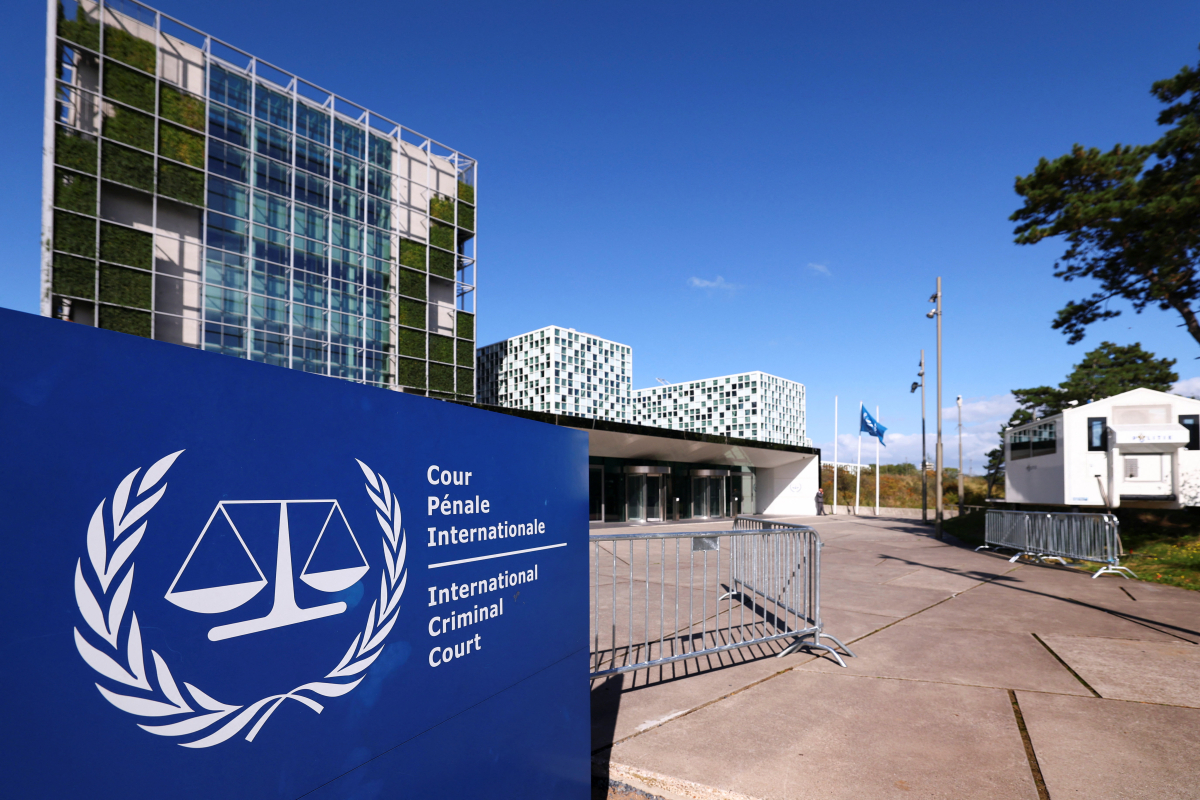
The ICC was established in 2002 under the Rome Statute to prosecute individuals accused of genocide, crimes against humanity, war crimes and the crime of aggression.
Unlike the International Court of Justice (ICJ), which settles disputes between states, the ICC investigates and prosecutes individuals.
The court can intervene when national authorities are unwilling or unable to genuinely investigate or prosecute such crimes.
Based in The Hague, the ICC has 125 member states and is investigating alleged crimes in situations including Ukraine, the Palestinian territories, Uganda, Venezuela and Myanmar.
Why is the United States not a member of the ICC?
The United States signed the Rome Statute under President Bill Clinton but never ratified the treaty.
Washington has long argued that joining the ICC could expose American military personnel, government officials and political leaders to politically motivated prosecutions.
President George W. Bush withdrew the U.S. signature from the Rome Statute in 2002. That same year, Congress passed the American Servicemembers' Protection Act, aimed at shielding U.S. citizens from prosecution by an international court that the country had not joined.
The U.S. has also signed more than 100 bilateral agreements with ICC member states preventing them from surrendering American nationals to the court.
Why has the dispute escalated now?
Trump's opposition to the ICC dates back to his first term, when his administration targeted the court over its investigation into alleged U.S. war crimes in Afghanistan.
In 2020, Trump signed an executive order declaring a national emergency over what he called the ICC's "illegitimate assertions of jurisdiction". The order authorised sanctions and visa restrictions against certain ICC officials.
The measures were lifted by President Joe Biden in 2021, although Washington continued to oppose the Afghanistan investigation.
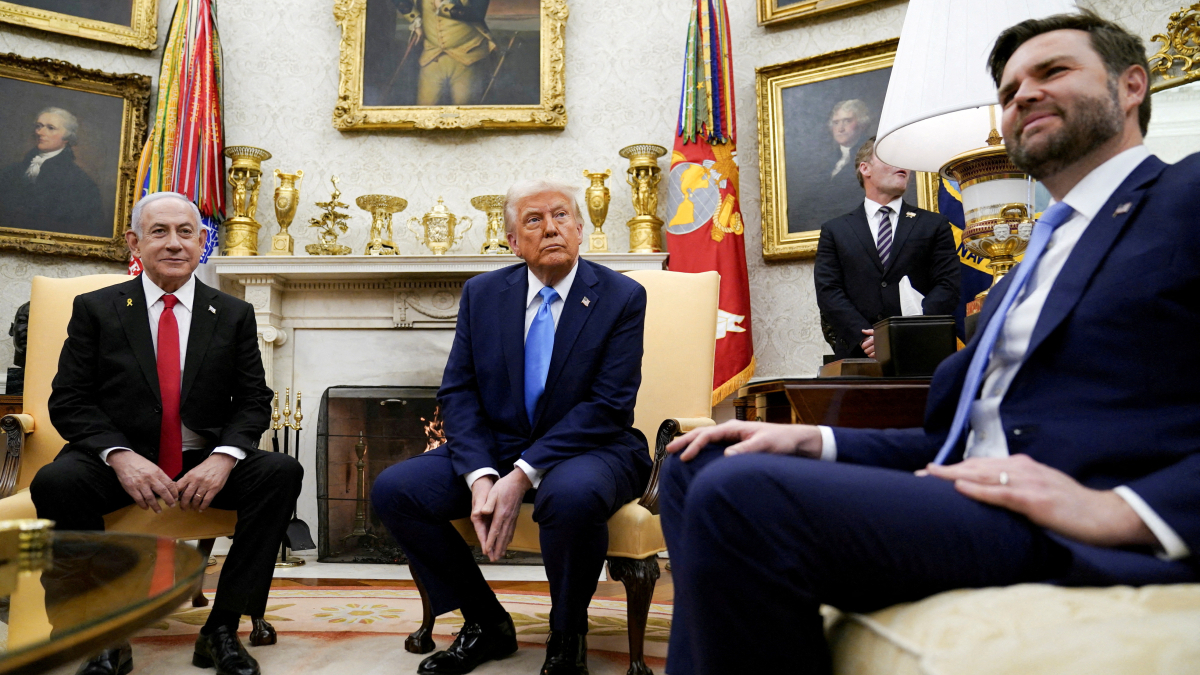
Tensions rose again after the ICC issued arrest warrants in November 2024 for Israeli Prime Minister Benjamin Netanyahu and former Defence Minister Yoav Gallant over alleged war crimes linked to the Gaza conflict.
Israel has rejected the ICC's jurisdiction and denied allegations of war crimes.
What did Rubio say about the ICC?
Rubio has argued that the ICC threatens U.S. sovereignty because it claims authority over American citizens despite the United States never having accepted the court's jurisdiction.
He also said the court had evolved from an institution created to prosecute the world's gravest crimes into "something far more radical and extreme" that threatens U.S. personnel.
"The ICC and its friends are waging a war against our country, not with bullets and missiles, but with statutes, compacts, and the force of so-called international law," Rubio said in a recent statement.
The State Department has said Washington is considering further sanctions, visa restrictions and diplomatic pressure against countries that continue to cooperate with the court.
Why does the ICC say it has jurisdiction over non-member states?
The ICC argues that it can investigate crimes committed on the territory of its member states, even if the alleged perpetrators are citizens of countries that have not joined the court.
This principle, known as territorial jurisdiction, was used in the ICC's investigation into alleged crimes involving U.S. personnel in Afghanistan, which was a party to the Rome Statute at the time.
What do critics say
EU officials have rejected Washington's argument that the ICC threatens national sovereignty, saying the court investigates individuals rather than states.
EU spokesperson Anouar El Anouni said: "The ICC does not target sovereign states, nor does it constitute a threat to their sovereignty."
Critics argue that sanctions against ICC officials could weaken international efforts to hold individuals accountable for war crimes and other serious crimes.
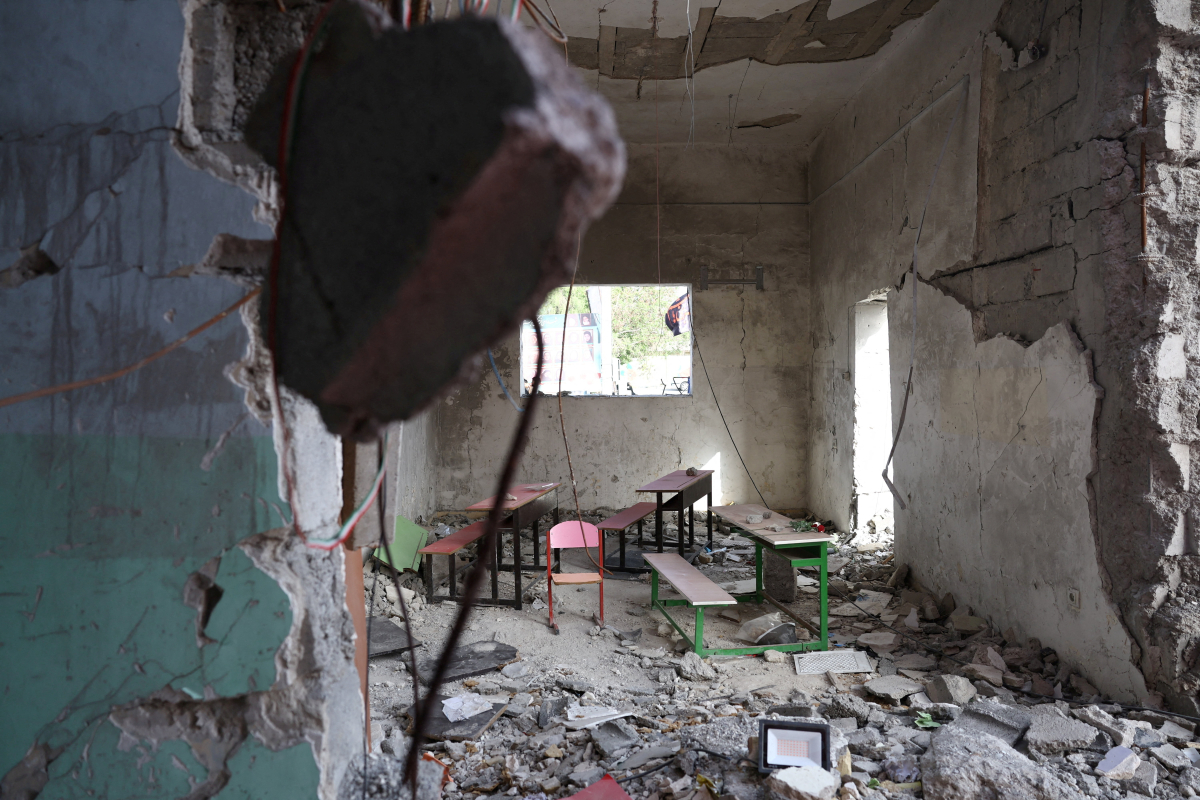
Some observers say the State Department's campaign could be linked to concerns over possible ICC scrutiny of U.S. military actions, including operations involving Venezuela. Other U.S. strikes, including those affecting civilian sites in Iran, have also drawn international attention.
Legal challenges against the sanction
The Trump administration's sanctions have faced legal challenges in U.S. courts.
Two U.S.-based advocacy groups sued the administration, arguing that sanctions targeting ICC officials, Palestinian rights organisations and a UN expert violate Americans' First Amendment rights.
The groups say the measures have created a "chilling effect" by discouraging Americans from working with ICC investigations or engaging in advocacy related to Palestine.
The administration has rejected the claims, saying the sanctions are necessary to prevent what it calls ICC overreach.
What happens next?
The Trump administration has said it will continue using sanctions, visa restrictions and diplomatic pressure to challenge the ICC.
Washington is also seeking support from allies to reject the court's authority and reduce co-operation with the tribunal.
Whether the campaign succeeds remains uncertain. European allies have reaffirmed their support for the ICC, while the court continues its investigations despite pressure from Washington.














What is your opinion on this topic?
Leave the first comment