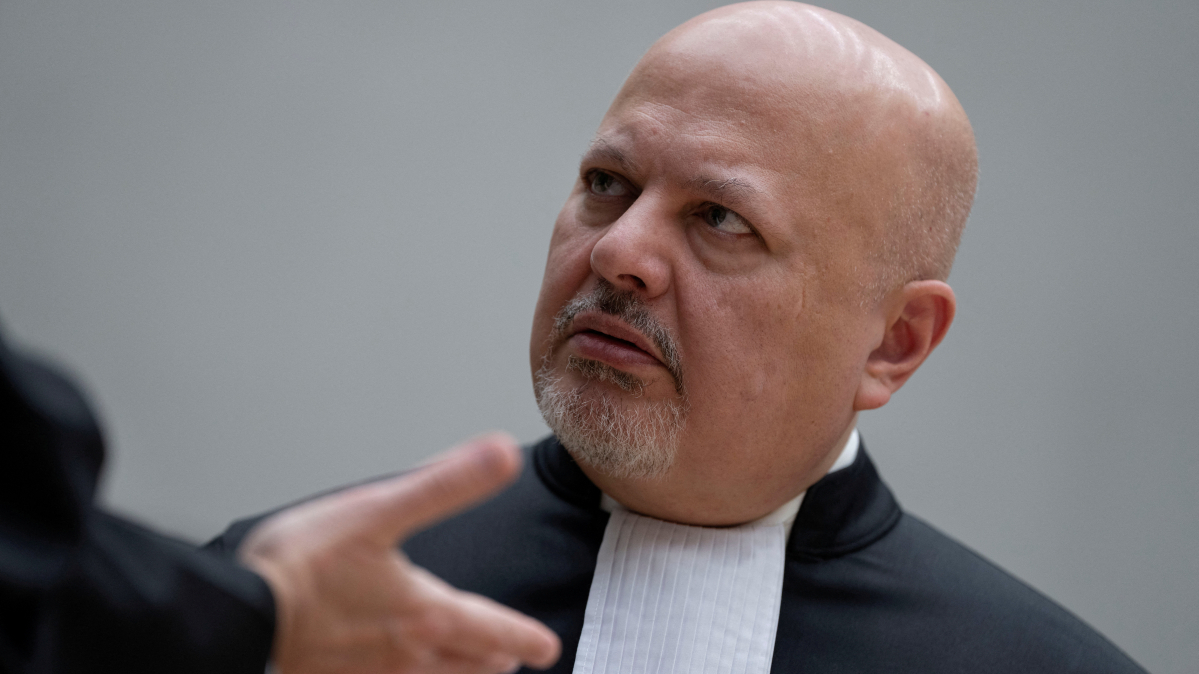
Karim Khan, chief prosecutor of the International Criminal Court (ICC), faces possible removal from office after a key oversight body concluded he engaged in serious misconduct involving a junior staff member.
According to documents seen by Reuters, diplomats on the ICC's executive bureau found that Khan had crossed professional boundaries in a relationship with a subordinate and recommended his dismissal.
The findings stem from a complaint lodged in 2024 by a female lawyer, marking the first time details of the case have been made public.
Member states to vote
The final decision now rests with the ICC's Assembly of States Parties, comprising 125 countries, which is due to vote on Khan's future on 24 July. His removal would require the support of at least half of the member states.
It remains unclear whether enough countries will back the recommendation.
Evidence outweighs earlier legal opinion
The bureau reached its conclusion after reviewing a year-long United Nations investigation, rejecting an earlier advisory opinion by external judges that the evidence did not meet the required burden of proof.
In its findings, the oversight body said the relationship began in early 2023 and developed over time within a workplace environment marked by a significant power imbalance. It concluded that the dynamic made the relationship inherently inappropriate.
The report also cited evidence suggesting the misconduct escalated, including instances of alleged non-consensual sexual contact.
Strong denial from Khan
Khan has denied all allegations. His legal team said the process that led to the recommendation was flawed and contradicted earlier legal assessments.
“The decision is unlawful, procedurally unfair and unsupported by evidence,” his lawyers said, arguing there was insufficient proof to substantiate the claims.
Broader strain on the court
The case adds to mounting pressure on the ICC, which has faced political and institutional challenges in recent years.
Khan, who assumed the role in 2021, has been temporarily sidelined, with his responsibilities being handled by deputies. He has also been suspended by the UK body that regulates barristers, which is conducting its own review.
The controversy comes at a sensitive time for the court, which has faced criticism and sanctions from the U.S. over its investigations into alleged war crimes involving Israeli officials and earlier inquiries related to U.S. military actions.
Some supporters of Khan have suggested the allegations are politically motivated, pointing to his role in pursuing high-profile cases.
Implications for ongoing cases
Any decision to remove Khan is unlikely to affect active investigations or arrest warrants issued during his tenure. These have already been authorised by ICC judges and would remain legally binding.
However, the outcome of the vote could have significant consequences for the court's credibility and leadership as member states weigh the misconduct findings against the broader political context.
The decision next month is expected to be a defining moment for the ICC as it seeks to address internal accountability while maintaining its role as the world's leading tribunal for war crimes and crimes against humanity.



















What is your opinion on this topic?
Leave the first comment