Ukraine's new commander-in-chief, Mykhailo Drapatyi, takes charge at a pivotal stage of the war with Russia, facing mounting challenges including troop shortages, battlefield reform and the rapid evolution of drone warfare.
Mykhailo Drapatyi, 43, replaces General Oleksandr Syrskyi, 60, who was removed from the post after growing criticism of Ukraine's military leadership.
Drapatyi, the former commander of Ukraine's land forces and current joint forces chief, is seen as part of a new generation of Ukrainian military leaders shaped by years of combat against Russian forces.
During his 26-year military career, he rose from tank lieutenant to become one of Ukraine's most respected battlefield commanders.
His appointment followed a wider government reshuffle last week that included the removal of tech-focused reformist Defence Minister Mykhailo Fedorov, 35, exposing divisions within Ukraine's defence leadership.
Drapatyi said the military would focus on expanding operations, developing new technologies and strengthening Ukraine's armed forces.
"The President of Ukraine has set clear objectives for us: to continue and intensify offensive operations in all domains, to plan new operations behind enemy lines, to develop our military and its technologies, and to build up the capabilities of the Armed Forces of Ukraine," he said on Facebook.
From Donbas battles to top military command
Drapatyi first gained national recognition in 2014 during fighting in eastern Ukraine's Donbas region.
He became known for leading a high-risk operation in Mariupol, where he ordered an armoured vehicle to break through a Russian barricade while attempting to rescue besieged Ukrainian police officers.
Following Russia's full-scale invasion in 2022, Drapatyi was appointed to command some of the most difficult sectors of the front line.
In 2024, he helped halt a Russian advance near Kharkiv, stabilising the front before becoming the youngest commander of Ukraine's land forces.
Reform efforts and resignation
As commander of the land forces, Drapatyi focused on improving recruitment and military training while promoting greater flexibility among frontline commanders.
However, his tenure in the role was brief.
After a Russian strike on a Ukrainian military training centre in June 2025 killed at least 12 soldiers, Drapatyi resigned, saying commanders must be accountable for the lives of their troops.
His resignation surprised many in Ukraine. Soon afterwards, he was appointed commander of the joint forces, a role focused more directly on battlefield operations.
Zelenskyy’s military shake-up
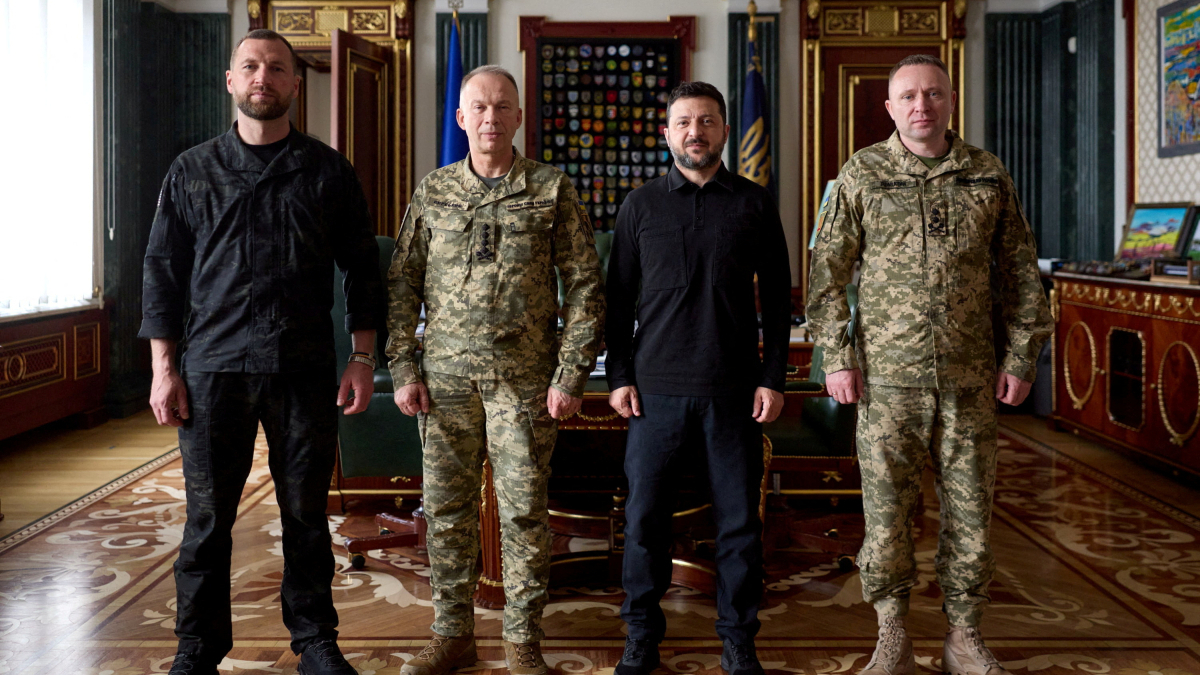
Ukrainian President Volodymyr Zelenskyy said Drapatyi's appointment was part of an effort to "reset" Ukraine's defence strategy.
“I am grateful to Oleksandr Syrskyi and to every one of our warriors for Ukraine’s strong front-line positions. I am grateful to Mykhailo Drapatyi for holding that same view,” Zelenskyy said.
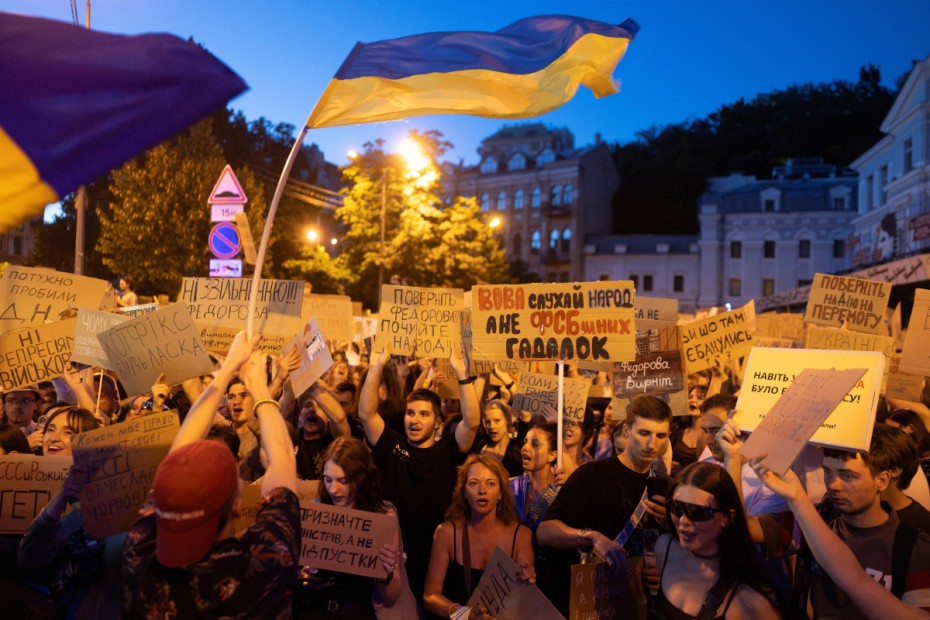
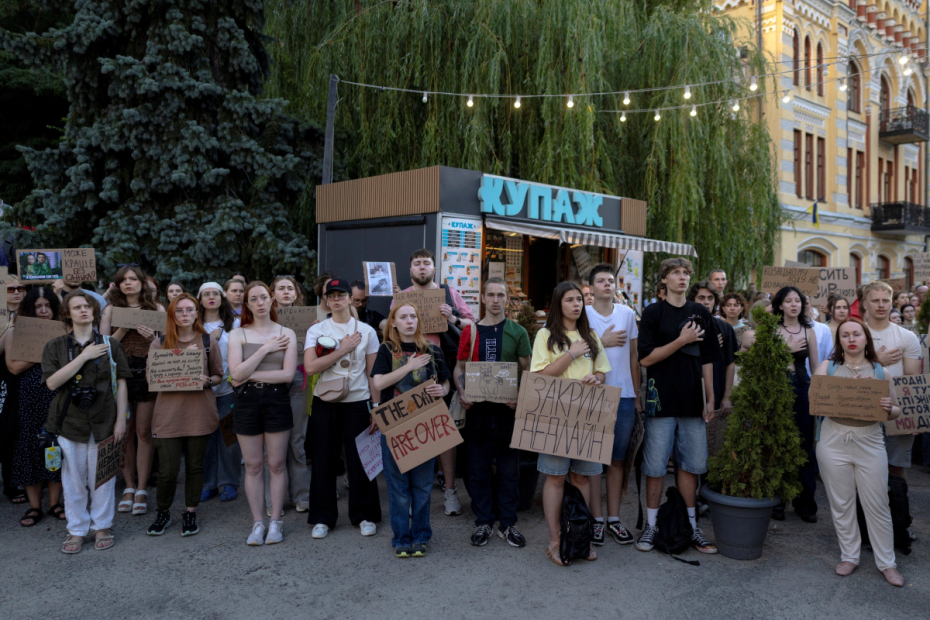
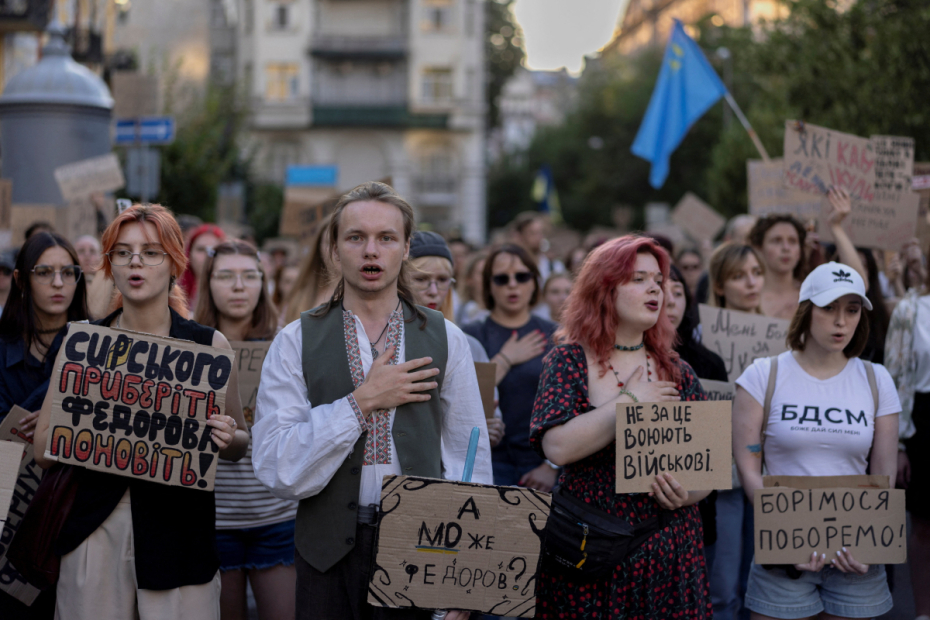
The leadership change followed six days of protests in Kyiv after the removal of Defence Minister Mykhailo Fedorov, whose dismissal exposed divisions within Ukraine's defence leadership.
Syrskyi played a key role in defending Kyiv during the early stages of the war and had served as commander-in-chief since 2024. However, critics accused him of using a rigid command style that contributed to heavy troop losses.
Russia said the appointment of a new Ukrainian commander-in-chief would not alter the situation on the battlefield.
“I don’t think this will lead to any changes on the front lines,” Kremlin spokesman Dmitry Peskov said.
Management challenges
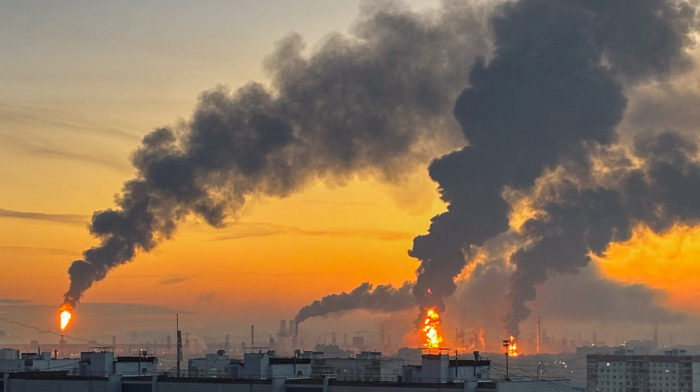
Drapatyi assumes command as Zelenskyy oversees Ukraine's biggest military shake-up in years, with Ukrainian forces stepping up long-range strikes on Russia's oil sector and battlefield logistics in an effort to weaken Moscow's war machine.
Although Russia's advances have slowed this year, its troops continue to press forward in strategically important areas, including Ukraine's eastern "fortress belt", a defensive corridor of four key cities in the Donetsk region.
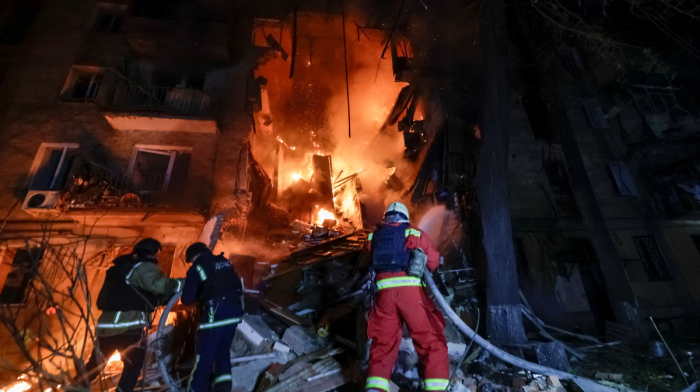
At the same time, intensified Russian ballistic missile attacks continue to devastate Ukrainian cities, including Kyiv, while Ukraine's shortage of U.S.-designed air defence systems has left many areas increasingly vulnerable.
Zelenskyy has appointed an interim defence minister, but it remains unclear whether Fedorov will return to government.










What is your opinion on this topic?
Leave the first comment