live Yemen warns Houthis seek to replicate Iran's Hormuz strategy in Red Sea
Yemen warned the Houthis were seeking to replicate Iran's Strait of Hormuz strategy in the Red Sea, as U.S. President Donald Trump said there was a "g...
Iran is increasingly relying on its northern ports for imports, with officials saying more than 30% of goods now enter the country via Russia and the Caspian Sea rather than through the Indian Ocean.
Iran's Deputy Minister for Trade Development at the Ministry of Agricultural Jihad, Mohammad Reza Talaei, said the shift has helped the country avoid what he described as the risk of a "complete economic blockade".
"By changing the route from the Indian Ocean to the routes through Russia and the Caspian Sea, we have been able to confront the threat of a complete economic blockade," Talaei said in remarks carried by state news agency IRNA.
According to Talaei, northern ports now account for more than 30% of the country's total imports. He said most cargo arriving through those ports consists of essential agricultural commodities, including wheat, barley, maize and oilseeds, largely supplied by countries across Eurasia.
The shift reflects Tehran's broader effort to deepen trade with Russia and other Eurasian partners while reducing reliance on southern maritime routes through the Persian Gulf and the Indian Ocean. Iran has also been expanding transport links through the International North-South Transport Corridor (INSTC), which connects India, Iran, the Caspian region and Russia by rail, road and sea.
The latest figures underscore the growing importance of Iran's northern ports as the country seeks to diversify its trade routes and safeguard imports of strategic goods amid sanctions and regional instability.
Read more:

U.S. President Donald Trump said on Monday that there is a good chance” of reaching a deal with Iran, but warned that Washington would resume military operation if negotiations fail.
Iran will halt its own attacks as long as the United States maintains its pause on strikes, but Tehran remains sceptical of U.S. intentions, a senior Iranian source told on Sunday.
The Russia-Ukraine war is increasingly reshaping the Caspian region. From threats to energy infrastructure to renewed diplomatic efforts, countries across the region are adapting to the wider consequences of a conflict that continues to disrupt trade, transport and security.
A New York school district has put plans to introduce a humanoid robot into classrooms on hold after fierce criticism from teachers, Indigenous community members and state education officials over the use of artificial intelligence in schools.
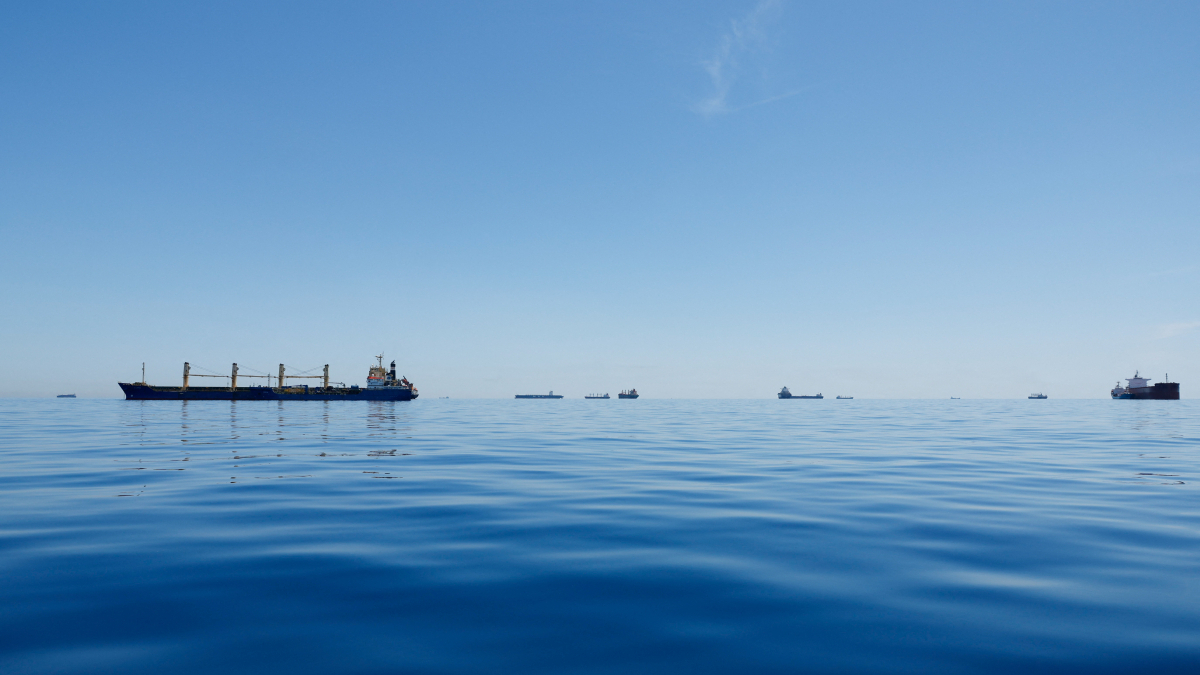
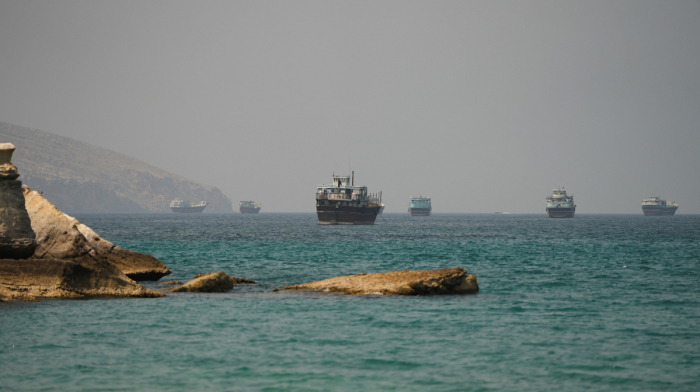
Yemen warned the Houthis were seeking to replicate Iran's Strait of Hormuz strategy in the Red Sea, as U.S. President Donald Trump said there was a "good chance" of a deal with Tehran but warned strikes could resume if talks failed.
U.S. diplomats walked out of a UN Security Council meeting on Ukraine after accusing France of making "disingenuous grandstanding" by comparing Washington with North Korea, Russia and other authoritarian states.
Meteorologists in China have used a swarm of drones to observe Typhoon Noul as it passed through Guangdong province, aiming to improve weather monitoring and forecasting during extreme storms.
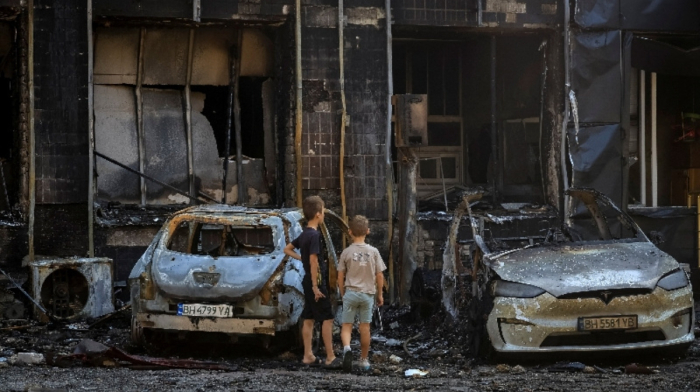
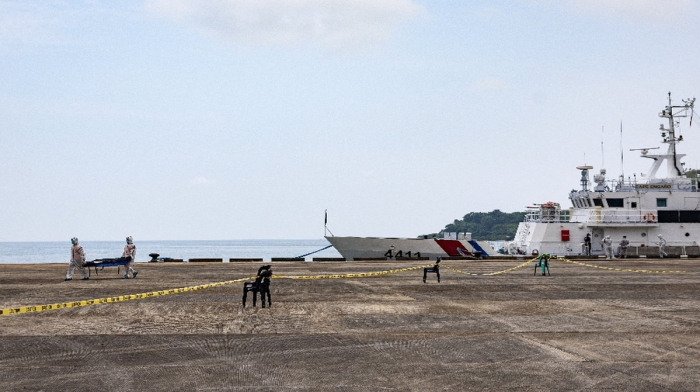
Tehran has stressed that its commercial vessel hit by a Ukrainian drone in the Caspian Sea on Saturday was carrying only civilian cargo and vowed to respond appropriately while holding Kyiv responsible for the attack.
Since 1946, nine people have served as UN Secretary-General, the closest thing the world has to a chief diplomat. The role carries no army and little hard power, yet its occupants have shaped how nations respond to war, famine and global crises. Here are five who left the deepest mark.
Two shallow earthquakes hit a remote area of China's Qinghai province on Tuesday, with authorities reporting no casualties or collapsed buildings so far.
You can download the AnewZ application from Play Store and the App Store.
What is your opinion on this topic?
Leave the first comment