Start your day informed with AnewZ Morning Brief. Here are the top news stories for the 17th of July, covering the latest developments you need to know.
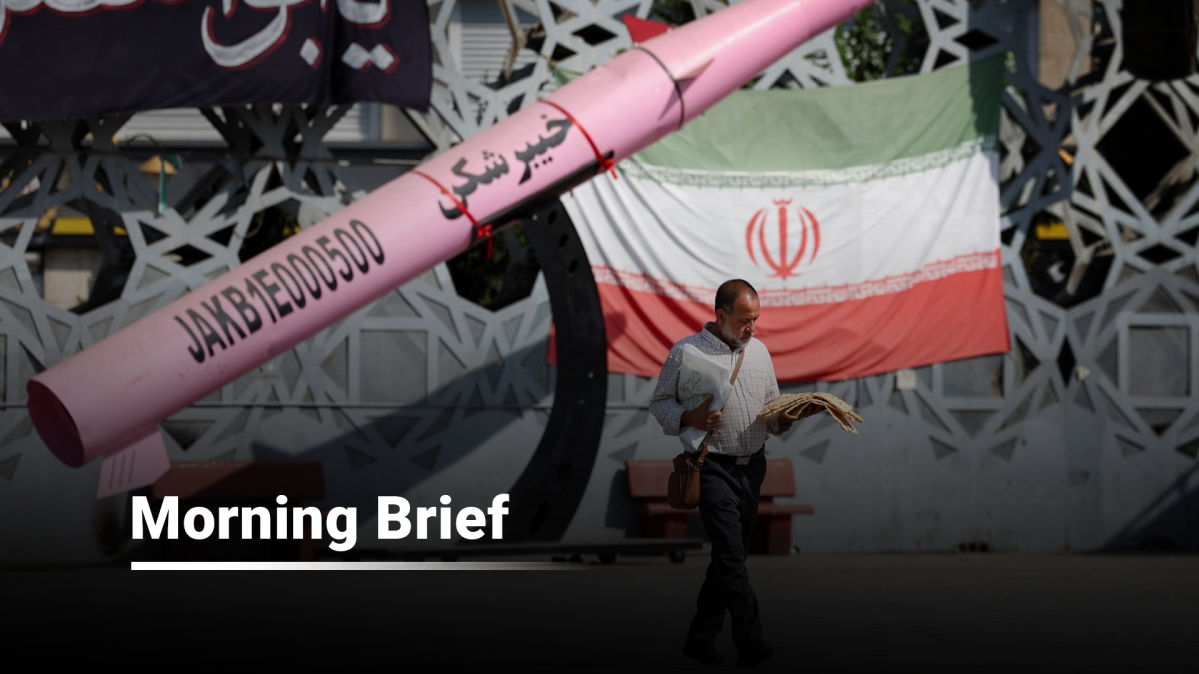
U.S.-Iran conflict escalates after sixth night of American strikes
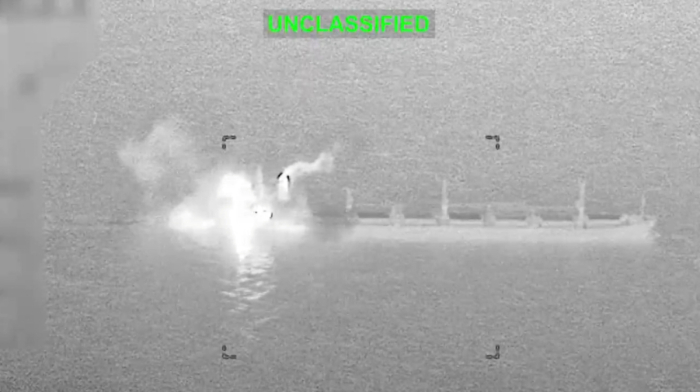
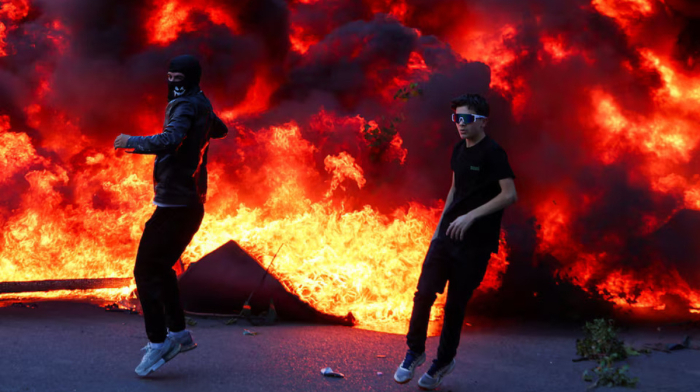
The U.S. military said it carried out a sixth consecutive night of strikes on Iran, targeting military sites across the country. Iran responded with missile and drone attacks on U.S. bases in neighbouring states as the conflict continued to escalate, raising concerns over civilian casualties, regional stability and the global economic impact.
Trump renews China election allegations
President Donald Trump declassified intelligence he said showed Chinese interference in U.S. elections, renewing his long-running claims about election security despite previous U.S. intelligence findings that found no evidence Beijing altered the 2020 vote. During a prime-time address, Trump called for stricter voter ID laws, while critics said the released documents did not support his allegations.
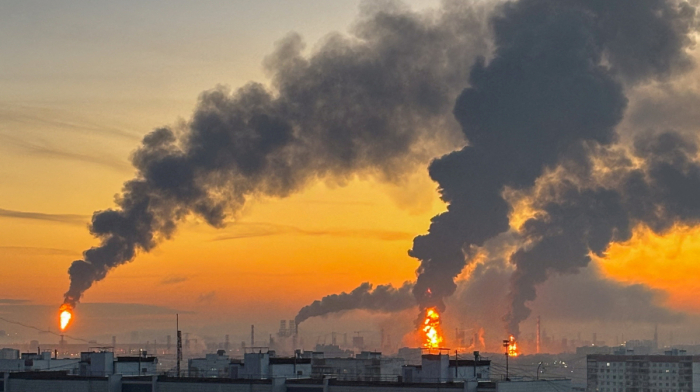
IEA warns of energy security risks if Hormuz disruption persists
The International Energy Agency (IEA) warned that global energy security could come under greater strain if oil flows through the Strait of Hormuz do not recover in the coming weeks. Executive Director Fatih Birol said emergency oil stock releases and higher U.S. production had helped ease the shock, but warned those measures were temporary and that Asian economies remained the most exposed to prolonged supply disruptions.
Zelenskyy names new defence minister amid protests
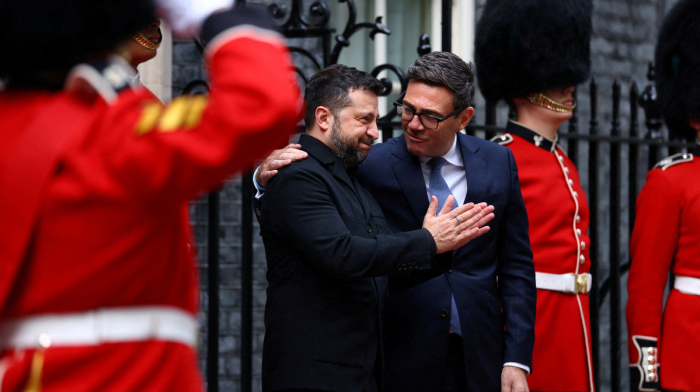
President Volodymyr Zelenskyy appointed security official Yevhenii Khmara as acting defence minister after protests erupted over the dismissal of reformist minister Mykhailo Fedorov. The reshuffle exposed divisions within Ukraine's leadership, with Fedorov accusing army chief Oleksandr Syrskyi of blocking reforms, while Zelenskyy said the new appointment would strengthen Ukraine's technological and long-range warfare capabilities.
Researchers develop self-dressing robot suit
Researchers in South Korea and the U.S. have developed a robotic suit that can dress a person hands-free in about 10 seconds using soft, air-powered technology that wraps clothing around the body. The team says the innovation could help elderly and disabled people, as well as workers in semiconductor cleanrooms and emergency responders who need to put on protective gear quickly.











What is your opinion on this topic?
Leave the first comment