The Trump administration has announced restrictions preventing American citizens in the Democratic Republic of Congo (DRC) from boarding commercial flights to the United States amidst a growing Ebola outbreak.
A White House official said on Monday that the measure was introduced under a transportation authority known as Title 49. Under the order, U.S. citizens currently in DR Congo, as well as those who have recently departed the country, will be placed on a “do-not-board” list until they have spent at least 21 days in a third country.
The restriction is intended to reduce the risk of Ebola transmission to the United States while allowing health officials to monitor individuals who may have been exposed to the virus.
Ebola cases continue to rise
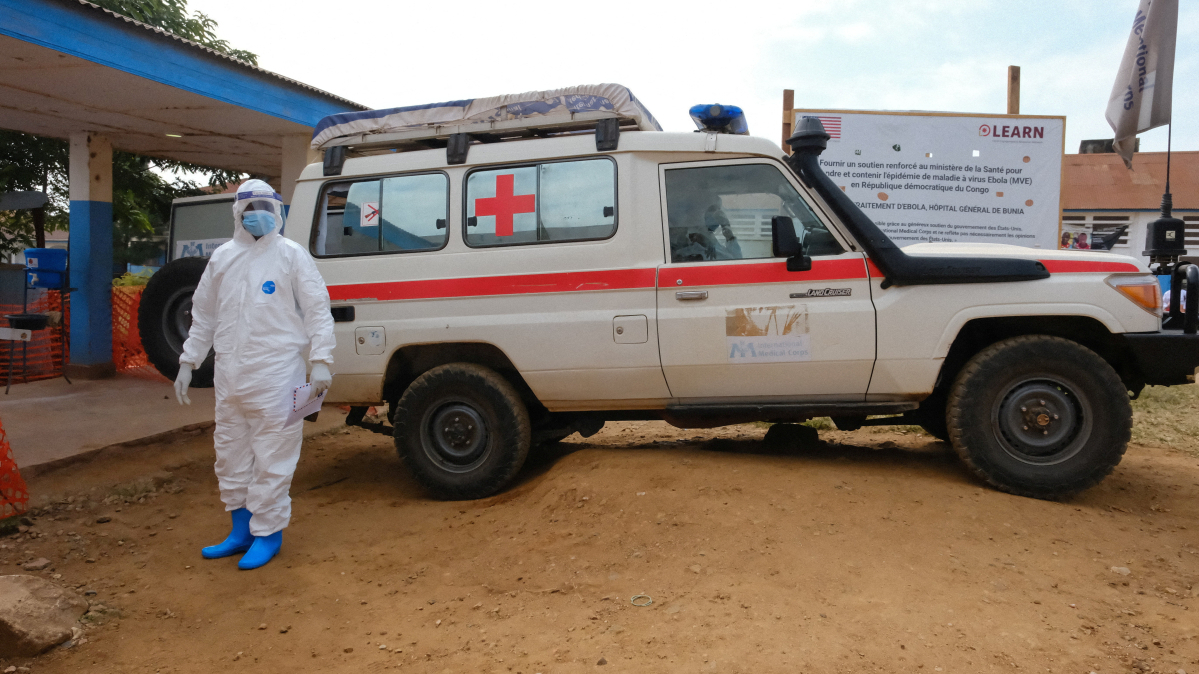
The travel restrictions come as DR Congo faces an expanding Ebola outbreak that has spread across several provinces.
Official figures released late on Sunday showed that the country had recorded 1,926 confirmed Ebola cases, including 702 deaths. By Tuesdsay, these figures rose to 1,963 confirmed cases and 719 deaths.
The outbreak has raised international concerns due to the virus’s high fatality rate and ability to spread rapidly through close contact.
Ebola is transmitted through direct contact with bodily fluids from infected people or animals. Symptoms can include a high fever, vomiting, severe weakness, and internal or external bleeding.
Americans affected by new travel measures
According to a U.S. official, around two dozen Americans who had travelled to DR Congo were expected to board flights back to the United States on Tuesday. These individuals will now be subject to the temporary travel restrictions.
The official said the U.S. State Department would provide assistance to affected citizens during the 21-day waiting period.
Health officials warn of increasing risk
U.S. Secretary of Health and Human Services Robert F. Kennedy Jr. signed an order on Monday citing rising Ebola concerns, including reports that the virus had spread to areas only a few hours away from the country's capital, Kinshasa.
The decision follows increased monitoring by American health authorities after cases involving U.S. citizens working in DR Congo.
The U.S. Centers for Disease Control and Prevention (CDC) confirmed on Friday that an American humanitarian worker, in the country, had tested positive for the Bundibugyo strain of Ebola.
American Ebola patients receive treatment in Germany
One U.S. citizen was admitted to Frankfurt University Hospital in Germany on Monday for medical care, according to officials.
Another American, identified by the Serge Christian mission organisation as Dr Peter Stafford, also contracted Ebola and was transferred to Germany for treatment. The CDC had previously confirmed his case in May.
Global response to the outbreak
Health authorities and international organisations continue to monitor the situation as efforts focus on containing the spread of the virus, supporting affected communities, and protecting healthcare workers.
The latest travel restrictions highlight the challenges governments face in balancing public health protection with the movement rights of citizens during international disease outbreaks.














What is your opinion on this topic?
Leave the first comment