North Korea has sharply condemned joint U.S.-Japan military drills, warning of consequences as tensions rise in the Asia-Pacific. The criticism comes amid ongoing missile tests and intensified regional security coordination.
North Korea accused Japan of exploiting global instability to “justify its transformation into a war nation,” according to state media KCNA.
The country’s state-run outlet also said Tokyo is expanding its “invasion capability” through deeper military cooperation with the United States.
KCNA warned that Japan’s security posture is worsening regional instability and issued a threat, saying Tokyo could face a “tragic end” if it continues what it called “reckless” military behavior.
Details of the Resolute Dragon exercise
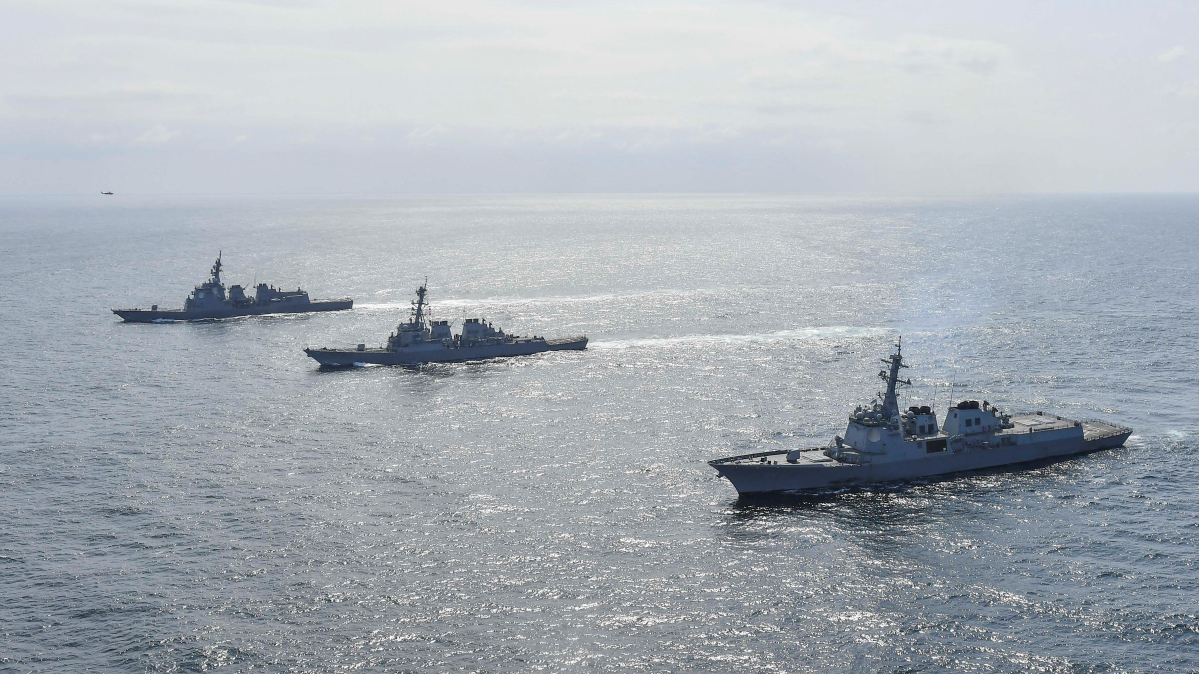
The criticism is linked to the “Resolute Dragon” exercise involving Japan’s Ground Self-Defence Forces and the U.S. Marine Corps. The drills began on 20 June across Okinawa and Kyushu and are scheduled to end Tuesday.
North Korea also claimed that long-range missile tests were conducted in a “preemptive” capacity, allegedly aimed at potential strikes during multinational drills in the region.
South Korea-U.S. coordination and missile concerns
The South Korea said it is in close coordination with the United States over North Korean missile activity, amid criticism over delays in publicly announcing recent launches.
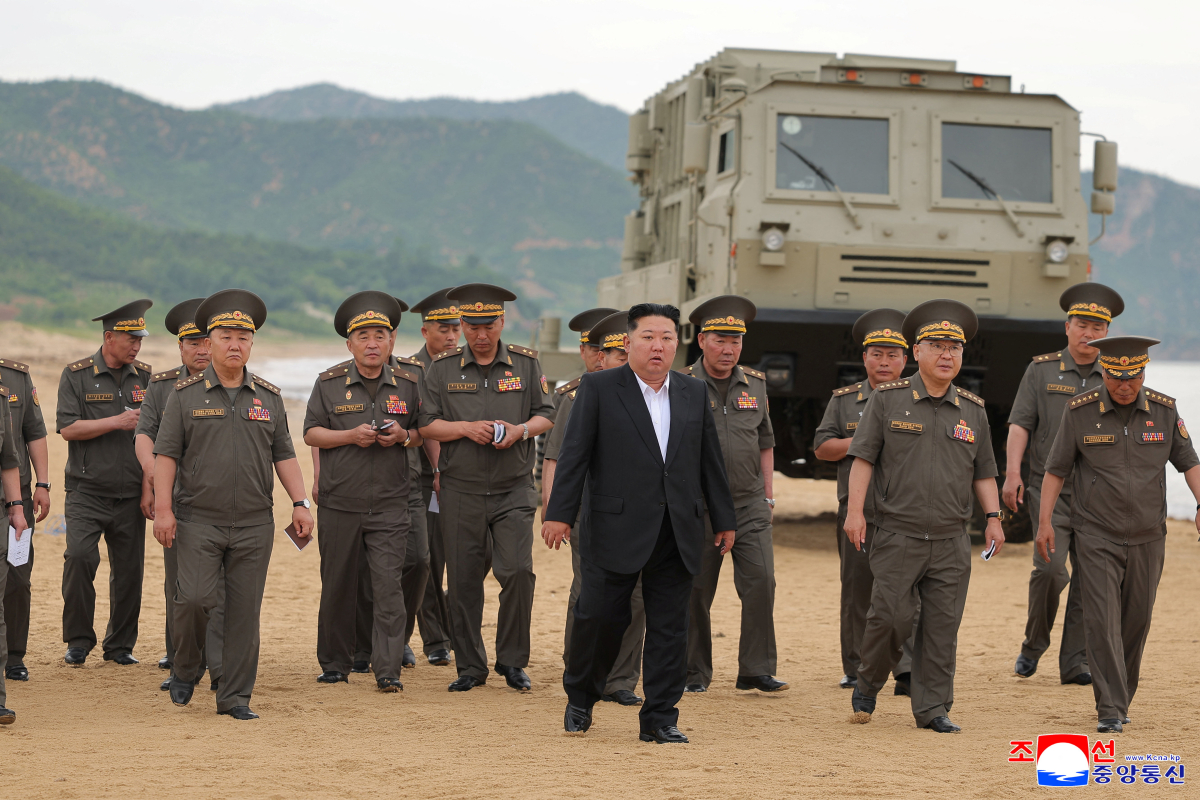
North Korea reportedly tested a new multiple rocket launcher system and other weapons on Thursday under the supervision of leader Kim Jong Un.
However, South Korean military authorities did not immediately disclose details, raising questions in local media about possible detection or reporting delays.
Information-sharing and tracking issues
Local reports suggested that adjustments in U.S.-South Korea information-sharing protocols may have affected real-time tracking of North Korean activity.
South Korean defence officials rejected concerns of operational failure. A spokesperson said:
“South Korea and the U.S. detected and tracked in real time multiple projectiles launched by North Korea on 25 June, maintaining close coordination for all contingencies.”
Officials also emphasised that the weapons involved are classified as “tactical weapons systems” and are still under analysis.
















What is your opinion on this topic?
Leave the first comment