The head of the United Nations nuclear watchdog has said inspections in Iran will resume in the near future following an interim peace agreement between Tehran and Washington. However, Iranian officials insist access to key facilities remains contingent on a final deal and the lifting of sanctions.
Interim accord opens path for negotiations
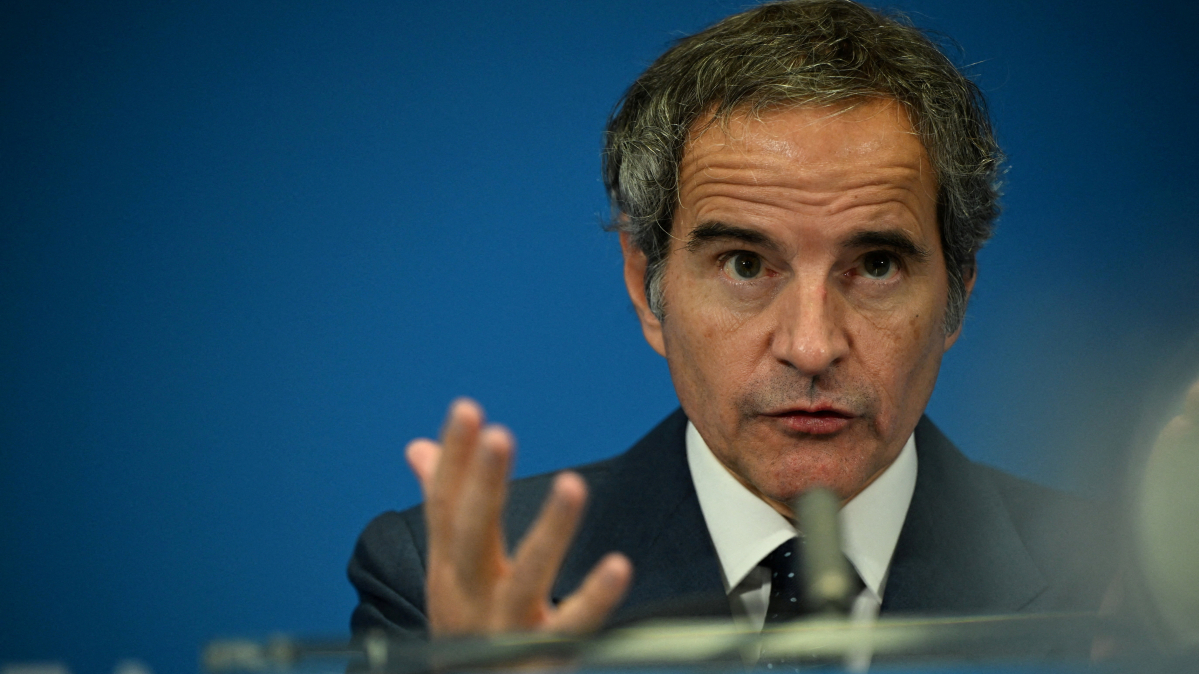
Speaking at a press conference in Japan on Wednesday, Director General of the International Atomic Energy Agency (IAEA) Rafael Grossi said the agency was preparing to restart inspections under the framework of the agreement reached last week.
“The inspections will indeed take place,” Grossi said, adding that discussions with Iran on dates, procedures and locations would begin shortly.
The U.S. and Iran signed a 14-point memorandum of understanding last week outlining broad principles aimed at ending the conflict between the two countries.
The interim accord has launched a 60-day negotiation period during which both sides are expected to address more complex issues, including the future of Iran’s nuclear programme.
Grossi said the agreement clearly states that nuclear activities involving facilities and nuclear material will be subject to IAEA oversight.
“Obviously, to do that, we will have to inspect,” he said. “Whether this happens the day after tomorrow, or in one week, or in 10 days, it's important but not essential.”
Tehran signals conditions remain
Iranian officials appeared to temper expectations about the immediate return of inspectors to sensitive sites.
Deputy Foreign Minister Kazem Gharibabadi said there were currently no plans to grant access to nuclear facilities damaged during last year’s attacks or to nuclear material stored there.
According to Gharibabadi, such steps would only be considered as part of a final agreement with Washington and after the U.S. takes practical measures to ease sanctions on Iran.
“Media noise cannot be used to impose facts on the ground,” he wrote on social media platform X.
Enriched uranium remains a key issue
One of the most significant unresolved questions concerns Iran’s stockpile of highly enriched uranium.
Before Israel launched its first strikes on Iran on 13 June last year, the IAEA estimated that Tehran possessed 440.9 kilogrammes of uranium enriched to up to 60% purity. While below weapons-grade levels, such material can be further enriched relatively quickly to around 90% purity, the level typically associated with nuclear weapons.
According to IAEA estimates, that quantity would be sufficient for approximately 10 nuclear weapons if enriched further.
Iran has not informed the agency how much of the material survived the attacks or where it is currently located.
Uncertainty over nuclear sites
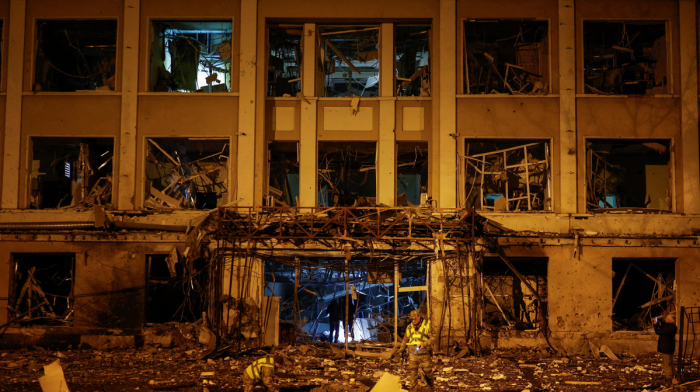
The IAEA has been unable to return to Iran’s most sensitive nuclear facilities since they were targeted by U.S. and Israeli strikes last year.
While inspectors have continued to visit some locations, broader inspection activities were suspended following the attacks.
Grossi has previously stated that the agency believes more than 200 kilogrammes of Iran’s uranium enriched to 60% purity may be stored within a tunnel complex near Isfahan in central Iran. Although the site was struck during the conflict, available assessments suggest it did not suffer severe damage.
The future monitoring of those facilities, as well as the fate of Iran’s enriched uranium stockpile, is expected to remain at the centre of negotiations in the coming weeks.













What is your opinion on this topic?
Leave the first comment