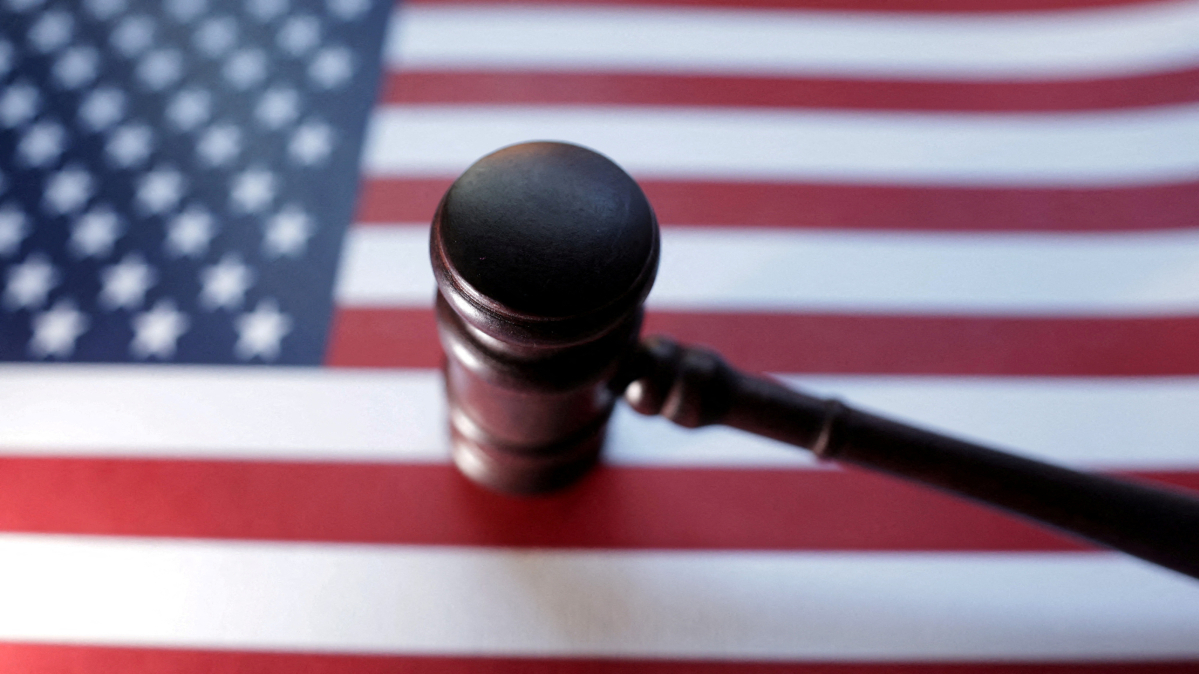
The U.S. Supreme Court on Tuesday declined to allow a Rastafarian inmate to pursue a damages claim against Louisiana prison officials who forcibly shaved his head in alleged violation of his religious beliefs, ruling that federal law does not permit such lawsuits against individual officers.
The 6-3 decision, split along ideological lines, upheld lower court rulings that dismissed the case brought by Damon Landor under the Religious Land Use and Institutionalized Persons Act (RLUIPA).
Writing for the majority, Justice Neil Gorsuch said RLUIPA does not authorise monetary damages claims against individual state employees, since the statute applies only to government entities that receive federal funding.
The court said prison officials cannot be sued personally under the law because they did not agree to such liability under the federal funding framework.
Landor, a Rastafarian whose faith requires him to keep his hair uncut, alleged he was forcibly restrained and shaved while incarcerated in Louisiana despite warning officials of his religious protections.
Rastafarianism is a spiritual and cultural movement that originated in Jamaica in the 1930s.
The court’s three liberal justices dissented.
Justice Ketanji Brown Jackson said the ruling effectively denies incarcerated people a meaningful remedy when their religious rights are violated, arguing that federal statutory protections are being wrongly treated as contractual agreements.
Louisiana prison incident
Landor was serving a sentence in 2020 when he was transferred to a Louisiana correctional facility, where guards allegedly ignored his objections and forcibly cut his knee-length locks.
Lower courts had already dismissed his lawsuit, and the Supreme Court’s ruling now leaves that dismissal in place.
Read more:













What is your opinion on this topic?
Leave the first comment