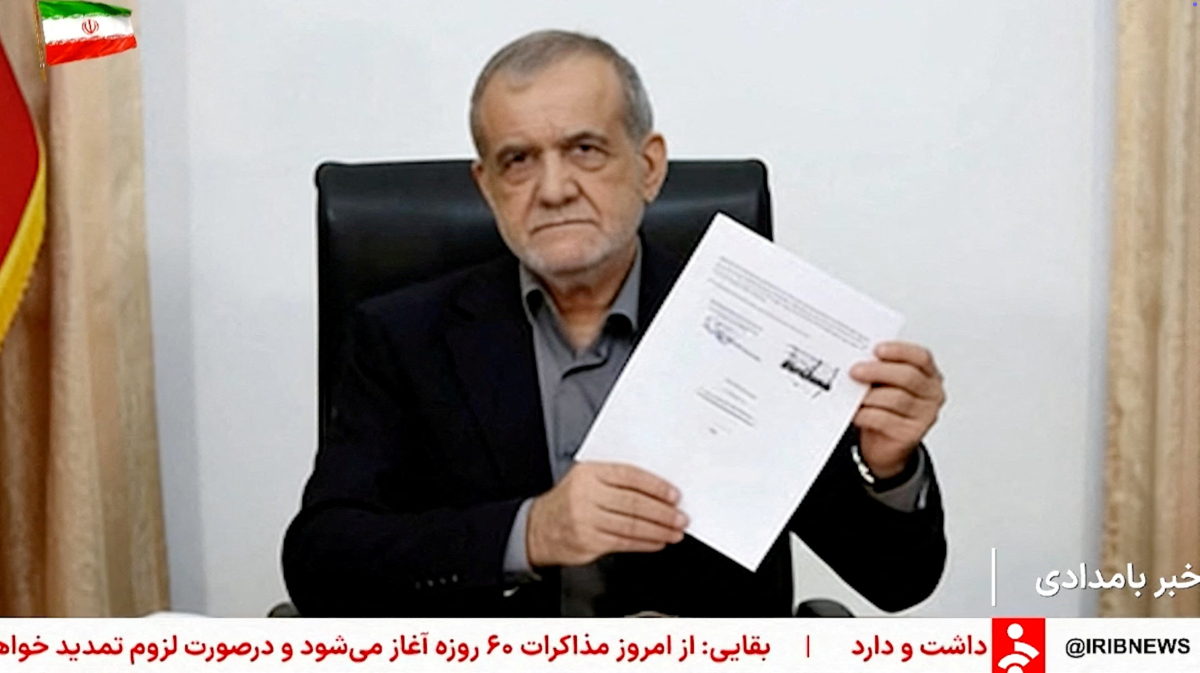
The signing of a historic 14-point Memorandum of Understanding (MoU) between the U.S. and Iran on 17 June has formally ended months of high-intensity conflict. Yet despite the agreement, tensions surrounding Lebanon threaten the durability of the fragile peace.
Central to the agreement is the "Lebanon clause", a provision requiring a ceasefire across "all fronts". Despite this explicit commitment, a significant gap remains between White House diplomacy and Israel's security calculations.
Professor Arshin Adib-Moghaddam, Professor in Global Thought and Comparative Philosophies at SOAS University of London, argues that the conflict's resolution represents a structural shift in global affairs.
"Ultimately, the agreement marks the final collapse of Pax Americana in the Persian Gulf region and highlights the resilience of Iranian state sovereignty against external pressure," he says.
The strategic weight of the Lebanon clause
The inclusion of Lebanon as a central pillar of the U.S.-Iran negotiations underscores the country's strategic importance in regional geopolitics. For decades, Tehran has tied its regional strategy to Hezbollah, the Lebanese Shia movement with a powerful military wing. This alliance forms the core of a wider "Axis of Resistance" linking the Houthis in Yemen, Palestinian factions in Gaza and the Popular Mobilisation Forces (PMF) in Iraq.
"Iran explicitly included a ceasefire in Lebanon in the negotiations in order to halt the brutal Israeli campaign there," explains Adib-Moghaddam.
However, enforcing the clause remains the most volatile challenge facing the agreement. A ceasefire largely held in Lebanon on Monday, marking the longest lull in three months of fighting between Hezbollah and Israel. A senior Lebanese security official said adherence had been "almost total" since Saturday evening, although an Israeli tank fired shells towards a village near Tyre, sound grenades were deployed in two other locations and an Israeli drone flew over Beirut.
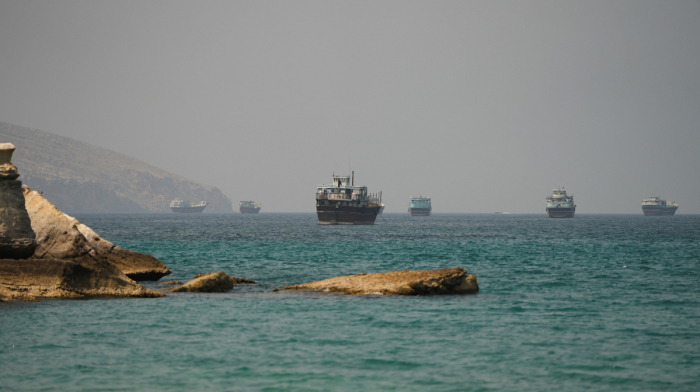
The continuing conflict has already tested the interim U.S.-Iran deal, prompting Tehran to announce over the weekend that it had once again closed the strategic Strait of Hormuz, claiming Washington had failed to honour its commitment to halt the fighting in Lebanon.
U.S. Vice President JD Vance, leading Washington's delegation in Switzerland alongside White House envoy Jared Kushner and Qatari Prime Minister Sheikh Mohammed bin Abdulrahman Al Thani, disputed that the strait had been closed, although commercially available shipping data showed an immediate impact. By Monday, Vance said progress had been made towards ending hostilities and that the Strait of Hormuz was open, describing Lebanon as "a work in progress".
To secure the truce, a joint statement issued after U.S.-Iran talks mediated by Pakistan and Qatar confirmed both sides had agreed to establish a "de-confliction cell" to oversee compliance with the cessation of hostilities in Lebanon. Israel has yet to comment on the initiative.
High stakes on a fragile frontier
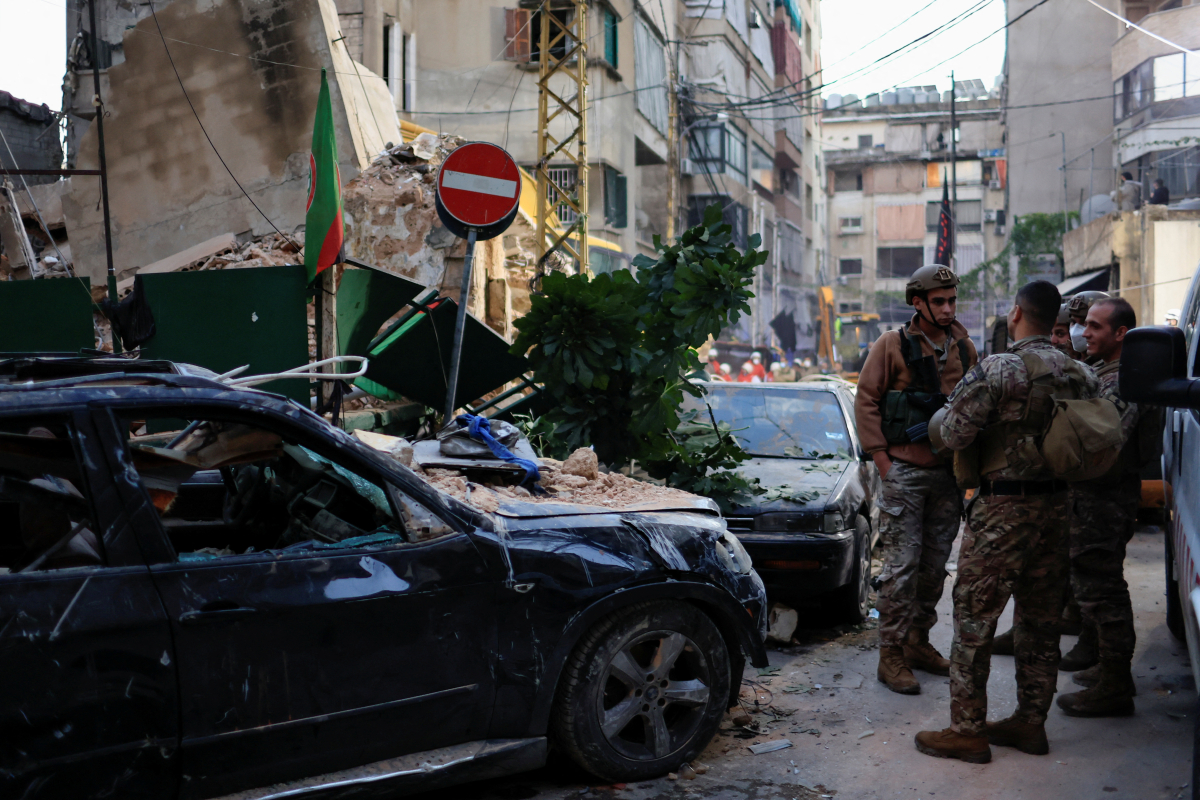
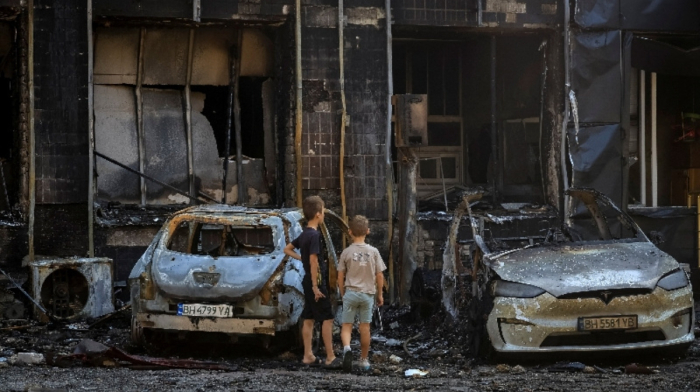
The human cost of the conflict remains severe. Since Hezbollah opened fire in support of Iran on 2 March, Israeli attacks in Lebanon have killed 4,106 people, including 773 women, children and healthcare workers, according to the Lebanese health ministry. The attacks have also displaced around 1.2 million people. On the Israeli side, at least 32 soldiers and four civilians have been killed.
Despite the recent calm, fears of renewed fighting continue to prevent many displaced residents from returning home. Hassan Wazni, director of a hospital in the heavily bombarded southern city of Nabatieh, noted that a previous ceasefire announced on Friday quickly collapsed, with 20 people in Lebanon killed in Israeli attacks on Saturday.
"People are still uneasy," Wazni told Reuters, while local municipal councils have warned residents against returning prematurely.
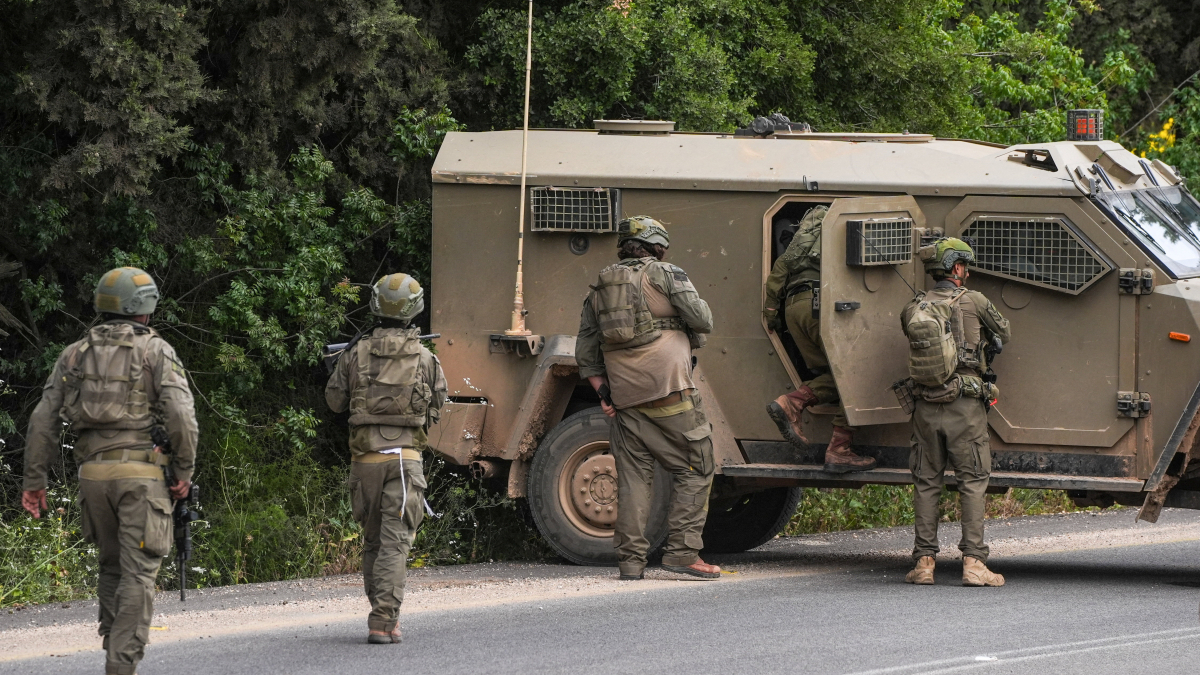
Prime Minister Benjamin Netanyahu's administration has repeatedly vowed to maintain an Israeli security zone in southern Lebanon, viewing any freeze in hostilities as an unacceptable security risk. On Monday, Netanyahu said Israeli troops had "full freedom of action" and would remain in Lebanon "as long as is necessary".
According to Adib-Moghaddam, Israel is highly likely to continue military operations, not least to disrupt further diplomatic engagement between Washington and Tehran.
"The ruling Netanyahu administration's primary modus vivendi is rooted in deterrence via brutal militarism," he observes. "However, repeatedly this approach has failed. For the first time in recent history, the current administration in the United States is massively criticising the Netanyahu administration for their conduct."
The reality of the U.S.-Iran MoU
When the military campaign began on 28 February, the stated objectives of the U.S.-Israeli coalition were clear: the destruction of Iran's nuclear and ballistic missile programmes, an end to Tehran's regional alliances and explicit regime change.
The final text of the MoU, however, reveals a significant retreat from those ambitions. The framework legally commits the U.S. to respect Iran's territorial integrity and refrain from internal interference, echoing provisions contained in the 1981 Algiers Accords.
The economic architecture of the agreement further illustrates the limits of Western pressure.
The agreement mandates:
- the immediate lifting of the U.S. naval blockade;
- the implementation of emergency U.S. Treasury waivers to resume Iranian crude oil exports;
- the unfreezing of up to US$100 billion (£75 billion) in restricted Iranian assets; and
- the establishment of a US$300 billion international reconstruction fund.
"Faced with the reality of an intact Iranian government, Donald Trump reversed his rhetoric," says Adib-Moghaddam, pointing to the U.S. president's shift in tone at the G7 summit, where he praised Iranian negotiators as "rational, strong, and smart".
Crucially, the MoU contains no requirement for Iran to dismantle its ballistic missile programme or sever ties with its regional allies.
A shift in Lebanese sovereignty
If the U.S.-Iran agreement holds, Lebanon's internal political balance is expected to shift significantly. Lebanese President Joseph Aoun has discussed efforts to preserve the ceasefire during calls with Vance and regional mediators. However, the country's political establishment has faced intense domestic criticism, with opponents accusing it of appearing subservient to foreign security demands during the height of the bombardment.
In contrast, Hezbollah appears likely to emerge from the conflict politically strengthened.
"I am in no doubt that Iran will continue to tie its regional strategy and interests to its allies, in particular Hezbollah," says Adib-Moghaddam. "With the Trump administration understanding that Iran cannot be subdued militarily, every Iranian ally, including Hezbollah, will be galvanised by the new status quo."
The developments point to a broader transition towards an increasingly post-Western regional order. By launching a high-intensity campaign that failed to achieve its principal military and political objectives, Washington and Tel Aviv have inadvertently highlighted the limits of conventional military power.
The MoU may ultimately be remembered as a historical turning point at which the language of absolute military victory gave way to the practical realities of diplomatic compromise.
















What is your opinion on this topic?
Leave the first comment