Fighting in southern Lebanon eased on Monday after a U.S.-Iran agreement aimed at ending months of regional conflict was announced, although uncertainty remained over how the deal would be implemented on the ground.
The agreement, announced by key mediator Pakistan, calls for the "immediate and permanent termination of military operations on all fronts, including in Lebanon".
Security sources said the deal had brought relative calm to southern Lebanon, which has endured months of violence linked to the wider confrontation involving Iran, Israel and the United States.
A Hezbollah official told Reuters that the group had not carried out any operations since the agreement was announced. The official, who declined to be named, said Hezbollah's position remained tied to Israel's adherence to the ceasefire.
The official also said Hezbollah rejects Israeli "freedom of movement" in Lebanon and claimed Iran delayed signing the agreement in order to monitor Israel's compliance with the ceasefire.
Israel says troops will remain
Despite the reduction in hostilities, Israeli Defence Minister Israel Katz said Israel would not withdraw its forces from security zones in southern Lebanon, Gaza and Syria.
Katz also said Israel would respond if Iran attacked the country over developments in Lebanon.
According to security sources, Israel significantly reduced its military activity on Monday, although some artillery fire was reported in southern towns and drones were heard over Beirut and its southern suburbs.
Municipal authorities in southern Lebanon urged residents not to rush back to their homes, warning that conditions remained unsafe.
Large parts of the south have been heavily damaged by months of fighting, while Israeli troops continue to hold positions in some areas near the border.
Displaced residents remain cautious
The conflict has displaced around 1.2 million people in Lebanon and killed nearly 3,800, according to Lebanese authorities.
Many families remain reluctant to return despite the relative calm.
"Frankly, we are hesitant; Israel cannot be trusted," said Mona Mazeh, who is currently sheltering in Beirut after fleeing her village near Tyre.
In the southern city of Nabatieh, resident Mohammed Daqdouq returned to inspect his home following the announcement.
"We'll need a lifetime to rebuild - to rebuild it again and bring Nabatieh back to how it was," he said.
Lebanese leaders welcome agreement
Lebanese President Joseph Aoun welcomed efforts to reduce tensions and expressed appreciation for the agreement's recognition of Lebanon's security and stability.
While he did not mention Iran or Israel directly, Aoun thanked those involved in achieving de-escalation.
Parliament Speaker Nabih Berri, a close ally of Hezbollah and leader of the Amal Movement, said the agreement had laid "the foundations for security and stability in the region, including Lebanon".
Berri also welcomed the inclusion of a halt to Israeli attacks on Lebanon, describing the provision as binding.
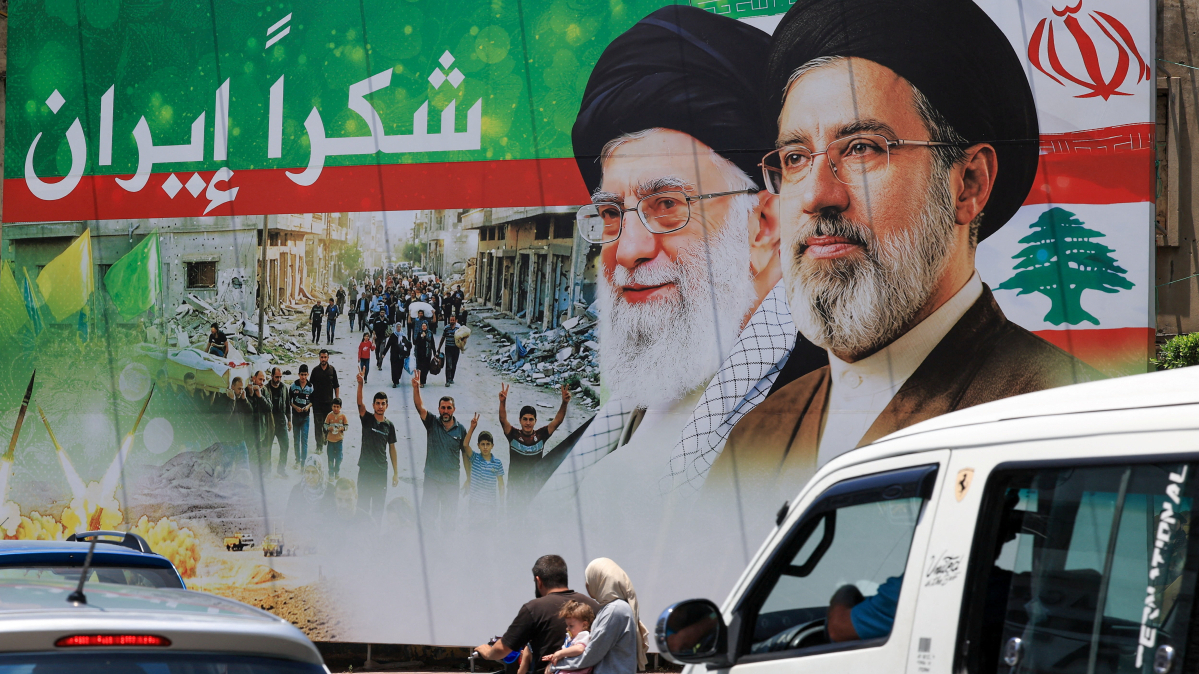
The agreement marks the first significant reduction in violence in Lebanon since Hezbollah entered the conflict in March in support of Iran. However, with Israel insisting its forces will remain in southern Lebanon and Hezbollah yet to issue an official position, questions remain over whether the calm can develop into a lasting peace.










What is your opinion on this topic?
Leave the first comment