Pakistan's heavy reliance on imported energy was laid bare by the U.S.-Iran conflict, which disrupted regional supplies, drove up costs and exposed vulnerabilities in the country's energy security. However, a proposed peace agreement now offers hope for economic relief.
Energy import dependence remains a major challenge
Pakistan's economy remains heavily dependent on imported energy despite growing investment in renewable power. Domestic gas production supplies around 2,700 million cubic feet per day, while imported liquefied natural gas (LNG) contributes roughly 600 million cubic feet daily and generates nearly one-quarter of the country's electricity.
Qatar and the United Arab Emirates account for around 99 per cent of Pakistan's LNG imports, while Iran has traditionally supplied more than 60 per cent of the country's liquefied petroleum gas (LPG) needs. This dependence leaves Pakistan highly vulnerable to geopolitical tensions and disruptions in regional energy markets.
U.S.-Iran conflict exposes energy vulnerabilities
The U.S.-Iran conflict rapidly transformed Pakistan's energy outlook. Before the war, Islamabad was grappling with excess LNG supplies as demand fell due to increased solar adoption and weaker industrial activity.
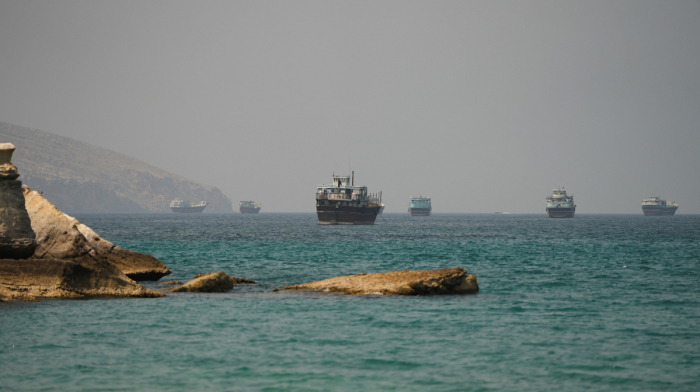
The situation changed when attacks on Iranian and Qatari energy infrastructure disrupted regional supplies. The Strait of Hormuz, through which nearly one-fifth of global oil and LNG trade passes, became a source of uncertainty, affecting global markets and energy flows. LNG shipments to Pakistan fell sharply while import costs increased, exposing the risks of relying on a limited number of suppliers.
Rising oil prices fuel inflation concerns
Higher oil and gas prices quickly translated into broader economic pressures. Economists estimate that every US$10 increase in crude oil prices can add between US$1.5 billion and US$2 billion to Pakistan's current account deficit each year.
The conflict pushed inflation back into double digits and threatened gains achieved under Pakistan's economic stabilisation programme. Higher fuel prices increased transport and production costs while placing additional pressure on household budgets. Pakistan's stock market also experienced volatility amid concerns over regional instability and energy security.
Solar power provides a buffer
The crisis also highlighted the growing role of renewable energy. According to a study by the Policy Research Institute for Equitable Development (PRIED), Pakistan's 34 gigawatts of installed solar capacity helped cushion the economy from a more severe shock.
Experts argue that expanding battery storage, upgrading the electricity grid and accelerating investment in domestic renewable resources are essential to reducing future dependence on imported fuels.
Peace deal raises hopes for stronger growth
The proposed U.S.-Iran peace agreement has improved sentiment across energy and financial markets. Finance Minister Muhammad Aurangzeb said the deal could create upside potential for Pakistan's economic outlook, although it remains too early to revise official forecasts.
Pakistan's 2026-27 fiscal year budget targets economic growth of 4 per cent and inflation of 8.2 per cent. While damaged regional energy infrastructure will take time to recover, easing tensions could reduce pressure on supply chains, lower energy costs and improve investor confidence.
Energy security remains critical
The conflict underscored the risks associated with Pakistan's reliance on imported energy. While the peace agreement offers welcome economic breathing space, long-term resilience will depend on diversifying energy supplies, strengthening renewable generation and improving energy planning.
For Pakistan, achieving sustainable growth will require turning energy security into a national economic priority.


















What is your opinion on this topic?
Leave the first comment