Norway is set to come under France’s nuclear umbrella, marking a significant shift in European security arrangements as concerns grow over the United States’ long-term commitment to the region.
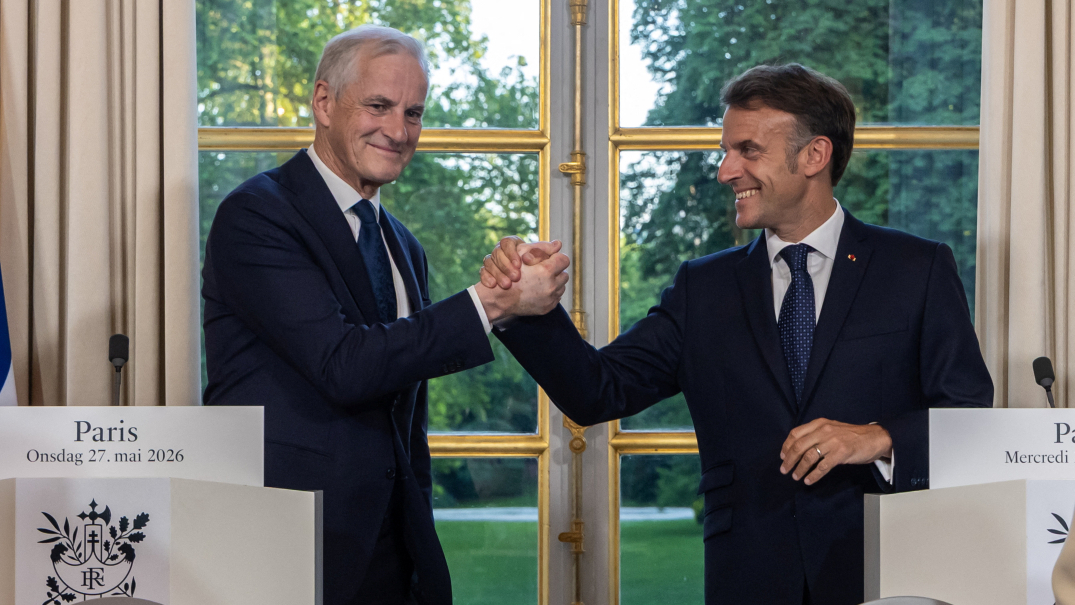
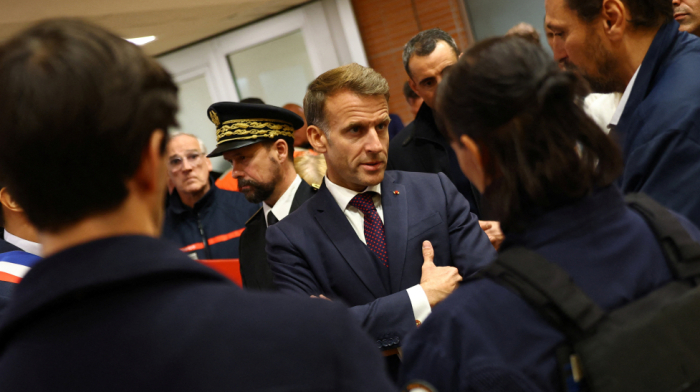
The move was confirmed by Norwegian Prime Minister Jonas Gahr Støre, who travelled to Paris to meet President Emmanuel Macron and formalise a new defence agreement. The deal will see Norway join a French-led nuclear deterrence initiative, extending Paris’s protection to the Nordic country.
“Our decision reflects the current security situation in Europe, including Russia’s large-scale rearmament, also in the nuclear domain, and its ongoing war against another European country,” Støre said.
From Atlanticism to broader alliances
The development represents a notable change in Norway’s traditional security stance. Long regarded as a strongly Atlanticist nation, Oslo has historically relied on close ties with Washington through NATO as the cornerstone of its defence policy.
Under the new arrangement, France’s nuclear deterrent would effectively cover Norway, meaning that any attack on the country could trigger a French response. However, Støre emphasised that no nuclear weapons would be stationed on Norwegian soil during peacetime.
Norway, which has a population of around 5.6 million, is a NATO member but not part of the European Union. It shares a border with Russia in the Arctic, a factor that has become increasingly important as tensions with Moscow continue to rise.
Expanding French nuclear protection
France first signalled its willingness to extend its nuclear protection to European partners in March, as part of a broader effort to strengthen the continent’s strategic autonomy. Norway now joins Poland and Lithuania, both of which also border Russia, in seeking closer alignment with Paris on nuclear deterrence.
President Macron confirmed that Norway would join the initiative, describing the move as part of a wider European effort to bolster collective security in an uncertain geopolitical environment.
Europe reassesses security landscape
The shift comes as Europe reassesses its defence posture amid Russia’s ongoing war in Ukraine and concerns over the reliability of U.S. security guarantees. While NATO remains central to European defence, some countries are increasingly looking to diversify their security arrangements and strengthen intra-European cooperation.
Globally, nuclear capabilities remain heavily concentrated among a few powers. Russia and the United States each possess more than 5,000 nuclear warheads, while China is estimated to have around 500, France about 290 and the United Kingdom roughly 225, according to the Federation of American Scientists.
Against this backdrop, France’s move to extend its nuclear umbrella reflects a growing push within Europe to enhance deterrence and reduce dependence on external allies, as the continent navigates a rapidly evolving security landscape.











What is your opinion on this topic?
Leave the first comment