The escalating conflict involving Iran, the U.S. and Israel is fuelling what could become the most severe energy crisis the world has ever faced, according to the head of the International Energy Agency (IEA).
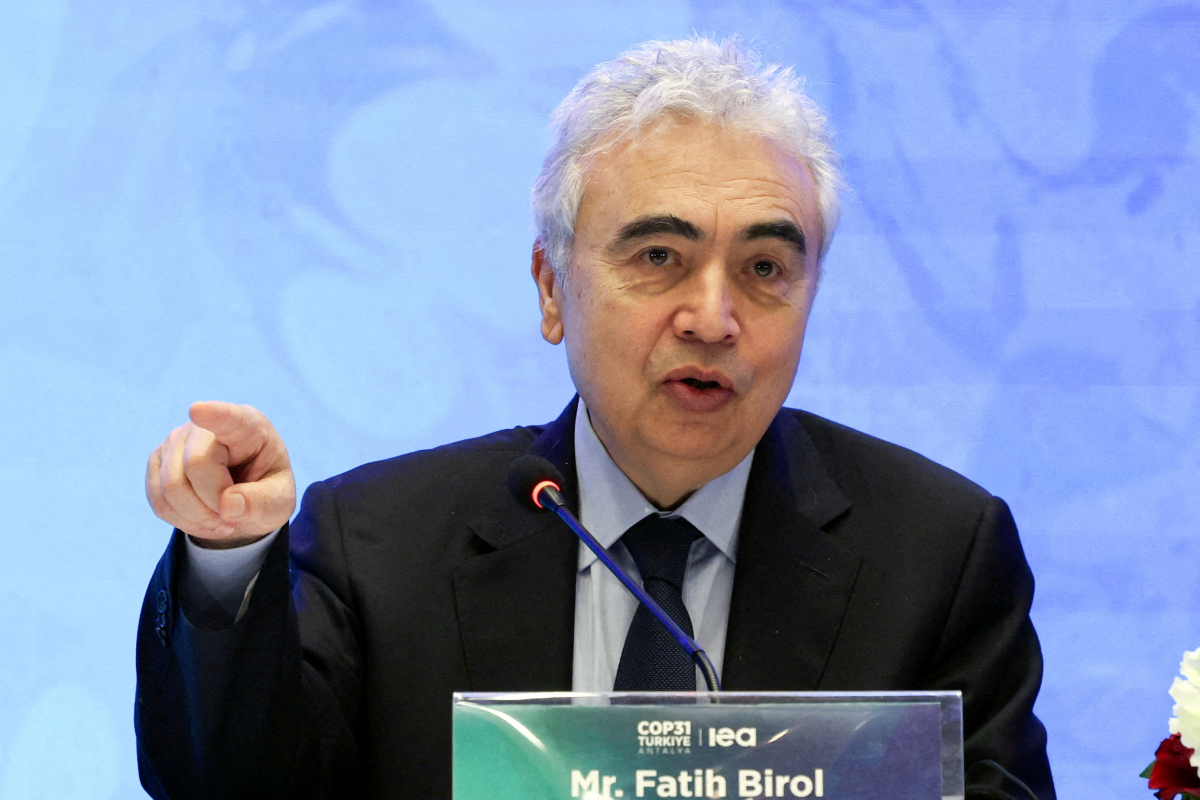
Speaking to France Inter radio on Tuesday, IEA Executive Director Fatih Birol described the situation as unprecedented. “This is indeed the biggest crisis in history,” he said, warning that the combined shocks to global oil and gas markets have created extraordinary pressure on energy supplies.
Middle East war disrupts global energy flows
Birol said the crisis is being driven in large part by the war in the Middle East, which has severely disrupted maritime traffic through the Strait of Hormuz. The narrow waterway is a critical chokepoint, handling around one-fifth of global oil and liquefied natural gas exports.
With shipping through the Strait largely halted, global markets are facing immediate supply concerns. The situation has been worsened by lingering uncertainty after the collapse of an uneasy ceasefire between Washington and Tehran, following the U.S. seizure of an Iranian cargo ship and Iran’s subsequent threats of retaliation.
Russia‑Ukraine war compounds energy shock
The volatility in the Middle East comes on top of the continuing fallout from Russia’s war in Ukraine, which cut off large volumes of Russian gas to Europe. Birol said the overlap of these crises has amplified market instability in a way not seen before.
Earlier this month, he said current conditions were worse than the oil shocks of 1973 and 1979, as well as the energy turmoil triggered by Russia’s invasion of Ukraine in 2022, combined.
Oil prices surge as markets react
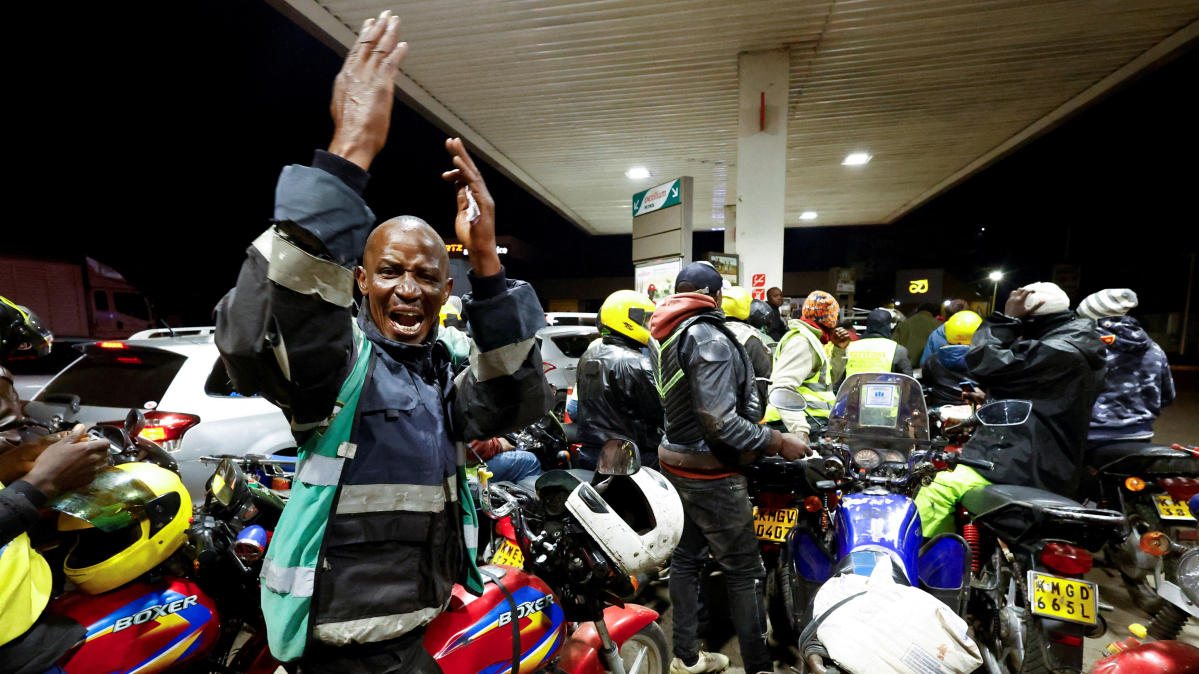
Concerns over supply disruptions have already translated into sharp price movements. Crude oil prices surged during the conflict, trading above $100.
On 21 April, amid fears that the conflict could widen and further choke exports, U.S. crude rose 6.9 per cent to settle at $89.61 per barrel, while Brent crude climbed 5.6 per cent to close at $95.48 per barrel, according to market data. Analysts said the rally reflects heightened anxiety over prolonged disruption in the Strait of Hormuz.
Emergency measures and fragile diplomacy
In March, the International Energy Agency coordinated the release of a record 400 million barrels of oil from strategic reserves to calm markets and curb price spikes linked to the war.
While Iran recently signalled it may reconsider participating in talks expected to take place in Islamabad, Birol warned that prices will remain volatile as long as the conflict continues and global energy routes remain under threat.















What is your opinion on this topic?
Leave the first comment