




14:20 CET
Flight Incident
Hammam al-Hammami: Flydubai co-pilot attacked pilot with axe in attempted 'terrorist attack'
The co-...
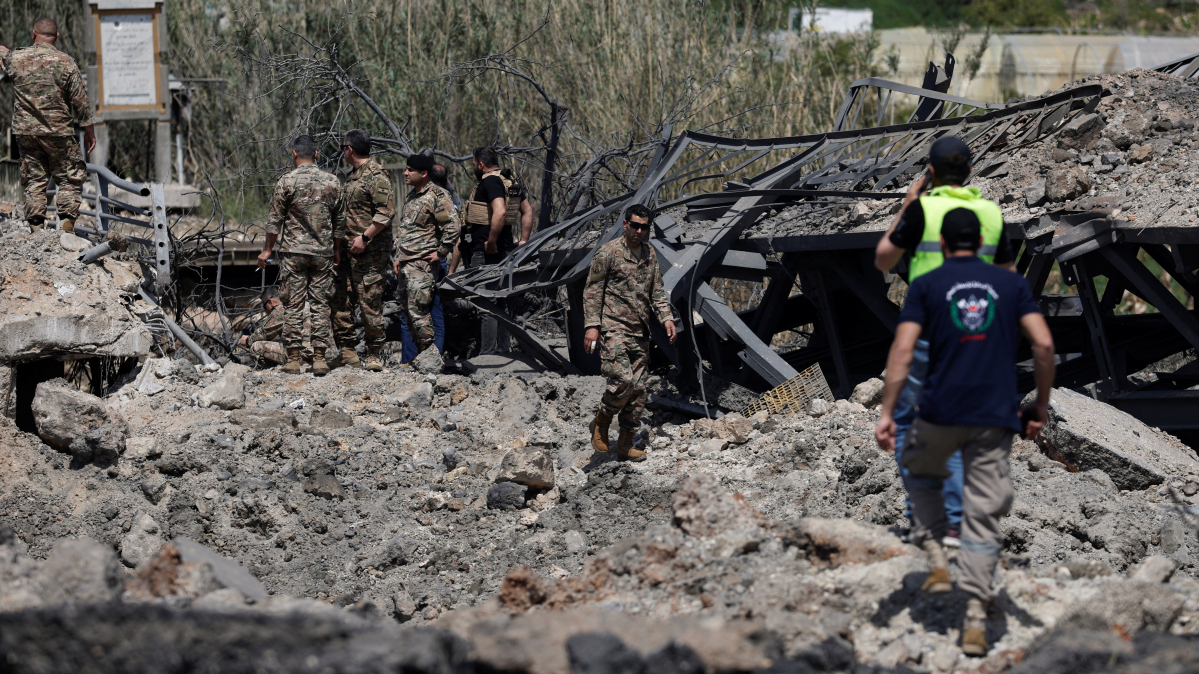


Germany’s opposition party, The Left, on Thursday accused Chancellor Friedrich Merz’s government of fuelling the war in Iran by exporting arms to Israel, as new figures revealed millions of euros in approved military sales.
Germany approved millions of euros’ worth of arms exports to Israel during the early weeks of the Iran conflict, prompting criticism from opposition lawmakers.
According to the German Economy Ministry, cited by the German Press Agency (dpa), Berlin authorised military exports worth €6.6 million between 28 February and 27 March.
The approvals came despite constitutional principles that restrict weapons exports to active conflict zones.
Ulrich Thoden, a lawmaker from the Left party, condemned the move, saying: “The profit interests of the military-industrial complex never serve the cause of peace, neither in the Middle East nor elsewhere; rather, they fuel wars that claim countless lives and can cost entire nations their economic prosperity.”
He called for an “immediate and complete halt” to German arms exports to Israel.
Germany is one of Israel’s closest allies in Europe, and officials have repeatedly stressed the country’s “special responsibility” for Israel’s security due to its Nazi past.
The United States remains Israel’s largest military backer by a wide margin, supplying the majority of its imported weapons.
According to data from the Stockholm International Peace Research Institute, the U.S. and Germany together account for nearly all of Israel’s arms imports in recent years.
Germany is the second-largest supplier, though far behind the U.S.
Other countries play much smaller roles.
Italy supplies a limited share of military equipment.
The United Kingdom’s exports are typically indirect, often involving components or parts rather than complete weapons systems.
While these additional suppliers contribute to Israel’s defence supply chain, their role is minor compared with the scale of U.S. support.

The co-...

A major bridge across the Dnipro river in Kyiv was hit in a Russian air attack on Saturday, the city's mayor, Vitali Klitschko said, as strikes...

Hammam al-Hammami, the Flydubai co-pilot accused of stabbing the captain of an Israel-bound flight on ...

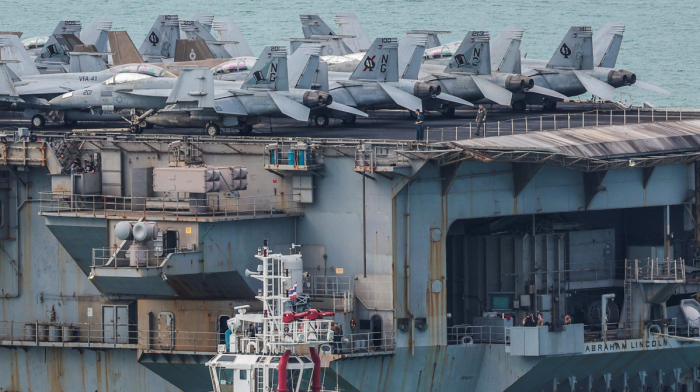
Yemen's air force carried out 20 strikes on Houthi targets earlier on Friday, Brigadier General Majid Abdullah Al-Nuzaili, Spokesman for the Yemeni Armed Forces, said. Meanwhile, the Iran-backed Houthis denied targeting a power plant supplying energy to a mosque in Medina, Saudi Arabia.

Azerbaijan and Armenia will sign a final peace agreement once Armenia amends its constitution to remove territorial claims against Azerbaijan, Hikmat Hajiyev, Assistant to Azerbaijan’s President Ilham Aliyev, has said.
Hammam al-Hammami, the Flydubai co-pilot accused of stabbing the captain of an Israel-bound flight on Wednesday in a suspected terrorist attack, was banned from flying by Oman over concerns about his radical views, U.S. media reported on Friday, citing people familiar with the matter.
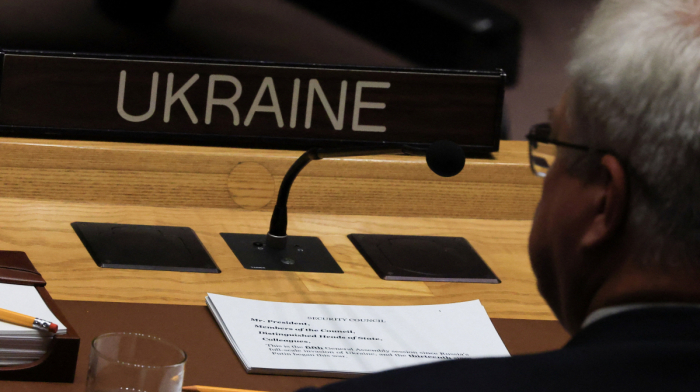
Ukraine is working to resolve a diplomatic dispute with South Korea after Kyiv publicly disclosed the transfer of two North Korean prisoners of war to Seoul, Ukrainian Foreign Minister Andrii Sybiha said on Thursday, 1 October.

British counter-terrorism police have arrested a 27-year-old dual UK-Iranian national as part of an investigation into a suspected plot involving RAF Fairford, an airbase used by U.S. forces for operations against Iran.
A major bridge across the Dnipro river in Kyiv was hit in a Russian air attack on Saturday, the city's mayor, Vitali Klitschko said, as strikes on the capital's infrastructure continue.
Hammam al-Hammami, the Flydubai co-pilot accused of stabbing the captain of an Israel-bound flight on Wednesday in a suspected terrorist attack, was banned from flying by Oman over concerns about his radical views, U.S. media reported on Friday, citing people familiar with the matter.

A U.S. federal appeals court has temporarily halted Minnesota’s ban on AI-generated fake nude images after Elon Musk’s xAI challenged the law as unconstitutional.

Two Iranian nationals have been charged in Britain with preparing a suspected terrorist attack targeting the Jewish community in northern England, police said on Friday (2 October).
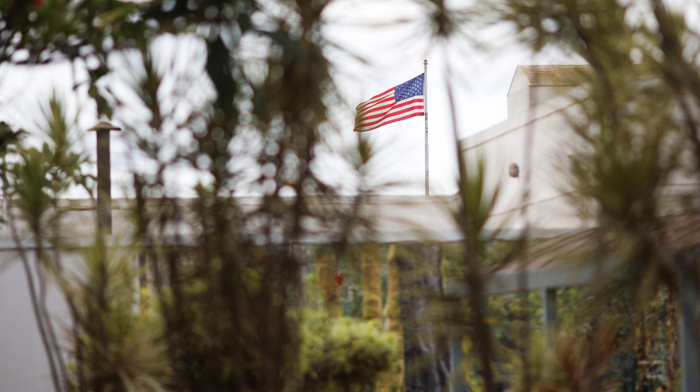
The United States suspended consular services at its embassy and consulates in Brazil on Friday over unspecified security concerns, prompting Australia to close its embassy in Brasília two days before the country's presidential election.
You can download the AnewZ application from Play Store and the App Store.




What is your opinion on this topic?
Leave the first comment