British Prime Minister Keir Starmer is preparing legislation that would allow the UK to adopt new EU laws without full parliamentary votes, aiming to speed alignment with European rules in key areas such as trade, energy and food standards.
The proposed legislation would create a fast-track system enabling ministers to introduce new rules as secondary legislation, reducing scrutiny by MPs and peers.
The government argues the move would make it easier for the UK to “dynamically” align with evolving European standards, particularly in sectors linked to future agreements with the EU, including food regulation, carbon pricing and electricity trading.
Parliamentary role remains
Under the plan, Parliament would still have “a role” in examining new measures but its ability to amend or block them would be more limited than under full legislative votes.
Ministers say closer alignment with EU rules is necessary to reduce trade barriers and support economic stability, especially amid ongoing global uncertainty.
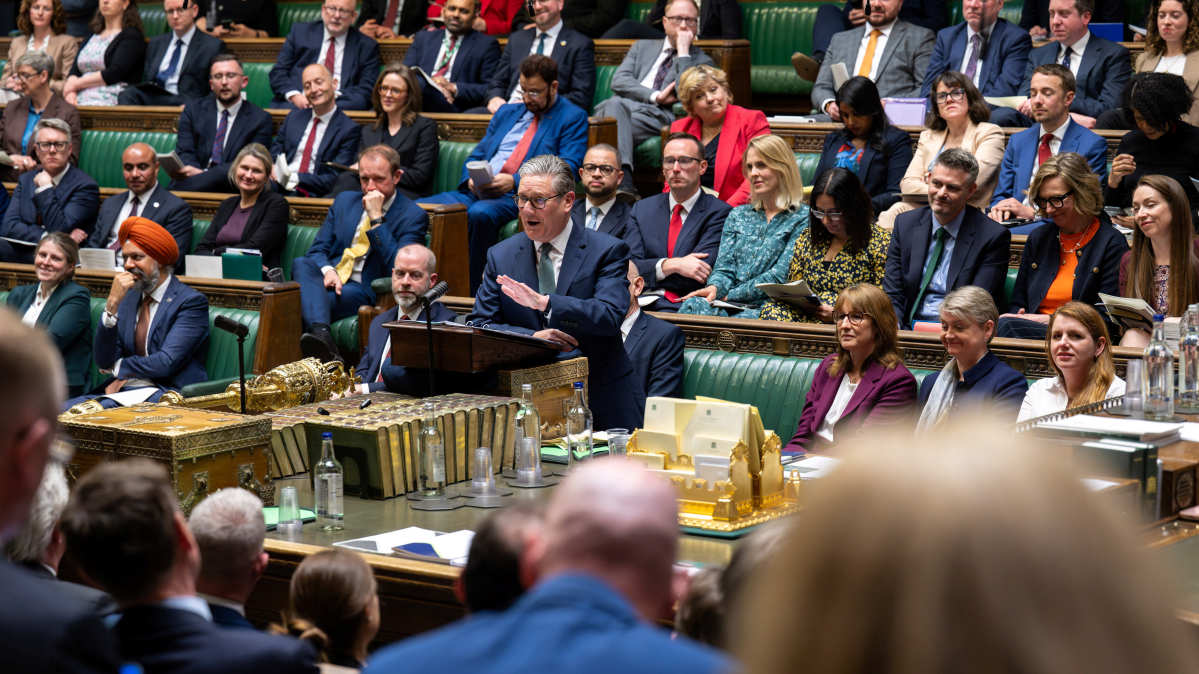
Speaking in Parliament, Keir Starmer said the economic and security benefits of rebuilding ties with Europe were “too big to ignore”, pointing to recent global shocks including Brexit, the COVID-19 pandemic and the war in Ukraine.
He also cited instability in international relations, including the policies of Donald Trump, as a reason for strengthening cooperation with European partners.
However, the proposals have drawn strong criticism from opposition parties, including the Conservatives and Reform UK, who argue the changes could weaken parliamentary sovereignty by shifting more power to ministers.
Concerns have also been raised over scrutiny, particularly after Labour abolished the Commons committee that previously examined new EU legislation.
The approach would mirror processes used before Brexit, when the UK regularly adopted EU laws to meet its obligations as a member state, but without having a vote in shaping those rules.
The legislation is expected to be introduced later this year, setting up a renewed political debate over the UK’s post-Brexit relationship with the European Union.




















What is your opinion on this topic?
Leave the first comment