Start your day informed with the AnewZ Morning Brief. Here are the top stories for 8 April, covering the latest developments you need to know.
Ceasefire agreed with Iran, but Israel excludes Lebanon
Iran, the United States and their allies have agreed to an immediate ceasefire, mediated by Pakistan, aimed at halting weeks of escalating conflict in the Middle East. The deal includes a temporary reopening of the Strait of Hormuz and a pause in military operations. However, Israel says the arrangement does not extend to Lebanon, signalling that regional tensions may persist despite the agreement. Further negotiations are expected in Islamabad on 10 April.
U.S. frames ceasefire as strategic win
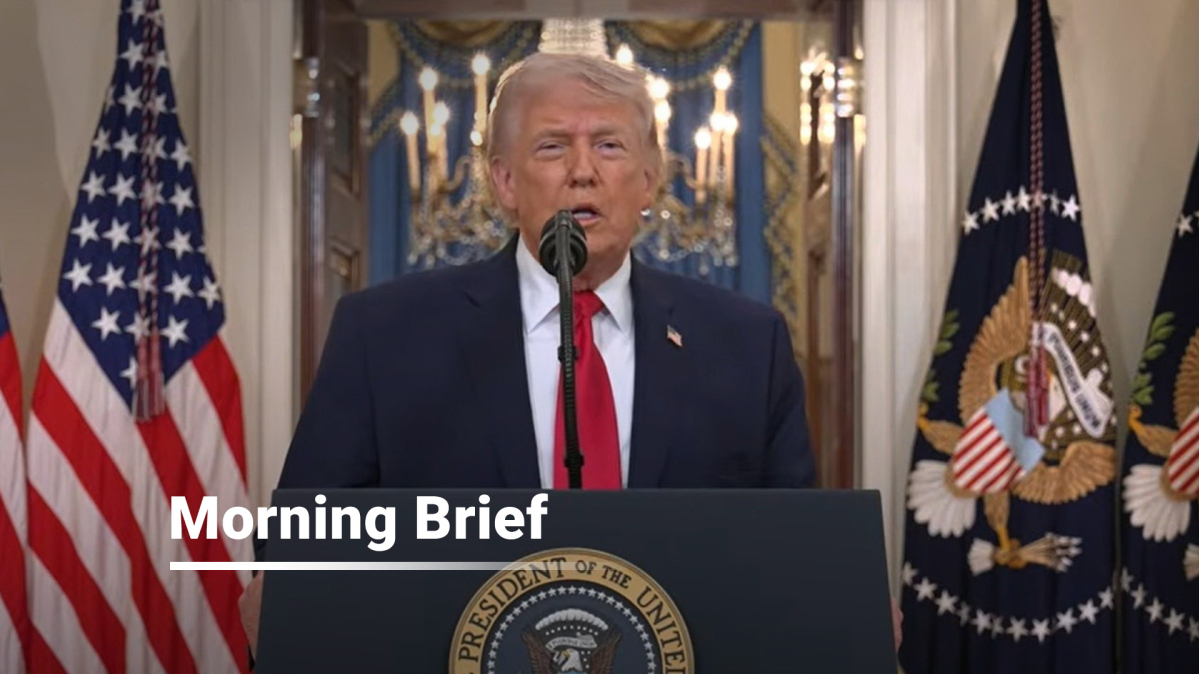
U.S. President Donald Trump approved the two-week ceasefire shortly before his deadline for Iran to reopen the Strait of Hormuz. Washington has presented the deal as a military and diplomatic success, stating that its objectives were achieved faster than planned. Iran, meanwhile, says it will halt operations only if attacks against it fully stop. The agreement remains fragile and conditional.
Jet fuel supply disruption may last months
Despite the ceasefire and expected reopening of Hormuz, global aviation faces continued pressure. The Head of the International Air Transport Association, (IATA), Willie Walsh, warns that jet fuel supply could take months to stabilise, due to damage and disruption to Middle Eastern refining capacity. Airlines are already adjusting routes, increasing fuel loads and managing higher operational costs.
Hormuz remains critical global chokepoint
The Strait of Hormuz continues to be the central leverage point in the crisis. Roughly 20% of global oil supply passes through the narrow waterway, making it one of the world’s most strategically sensitive routes. Even with a ceasefire in place, shipping risks, insurance costs and market volatility are expected to remain elevated in the short term.
JD Vance accuses EU of election interference in Hungary
U.S. Vice President JD Vance has openly backed Hungarian Prime Minister Viktor Orbán ahead of a closely contested election. Speaking in Budapest, Vance accused the European Union of interfering in Hungary’s domestic politics, a claim rejected by EU officials. The visit marks a significant shift in U.S. policy, with Washington taking a more direct role in supporting political allies abroad.













What is your opinion on this topic?
Leave the first comment