The United Nations has adopted a resolution to recognise transatlantic slavery as the "gravest crime against humanity" despite resistance from Europe and the United States. Ghana proposed it at the United Nations on Wednesday calling for reparations.
At least 12.5 million Africans were forcibly taken and sold between the 15th and 19th centuries, and Ghana argued that the consequences of this centuries-long atrocity still persist today in racial and economic disparities.
Ghanaian President John Dramani Mahama described the vote as “a route to healing and reparative justice,” adding, “The adoption of this resolution serves as a safeguard against forgetting … Let it be recorded that when history beckoned, we did what was right for the memory of the millions who suffered the indignity of slavery.”
Foreign Minister Samuel Ablakwa said the resolution calls for accountability and could pave the way for a “reparative framework.”
He added, “History does not disappear when ignored, truth does not weaken when delayed, crime does not rot … and justice does not expire with time.”
The resolution urges UN member states to open discussions on reparations, including formal apologies, the return of stolen artefacts, financial compensation, and guarantees of non-repetition. UN Secretary-General Antonio Guterres told the assembly that “far bolder action” was needed from states to confront historical injustices.
Supporters called the resolution a milestone. Justin Hansford, a law professor at Howard University, said it marked the farthest the UN has gone in recognising transatlantic slavery as a crime against humanity and calling for reparations.
“This marks the first vote on the floor of the UN,” he said.
However, the resolution faced strong resistance. The U.S. objected to what it described as the “cynical usage of historical wrongs as a leverage point,” while the EU raised “legal and factual” concerns, cautioning against retroactive application of international law.
Critics argue that today’s states and institutions should not bear responsibility for centuries-old crimes.
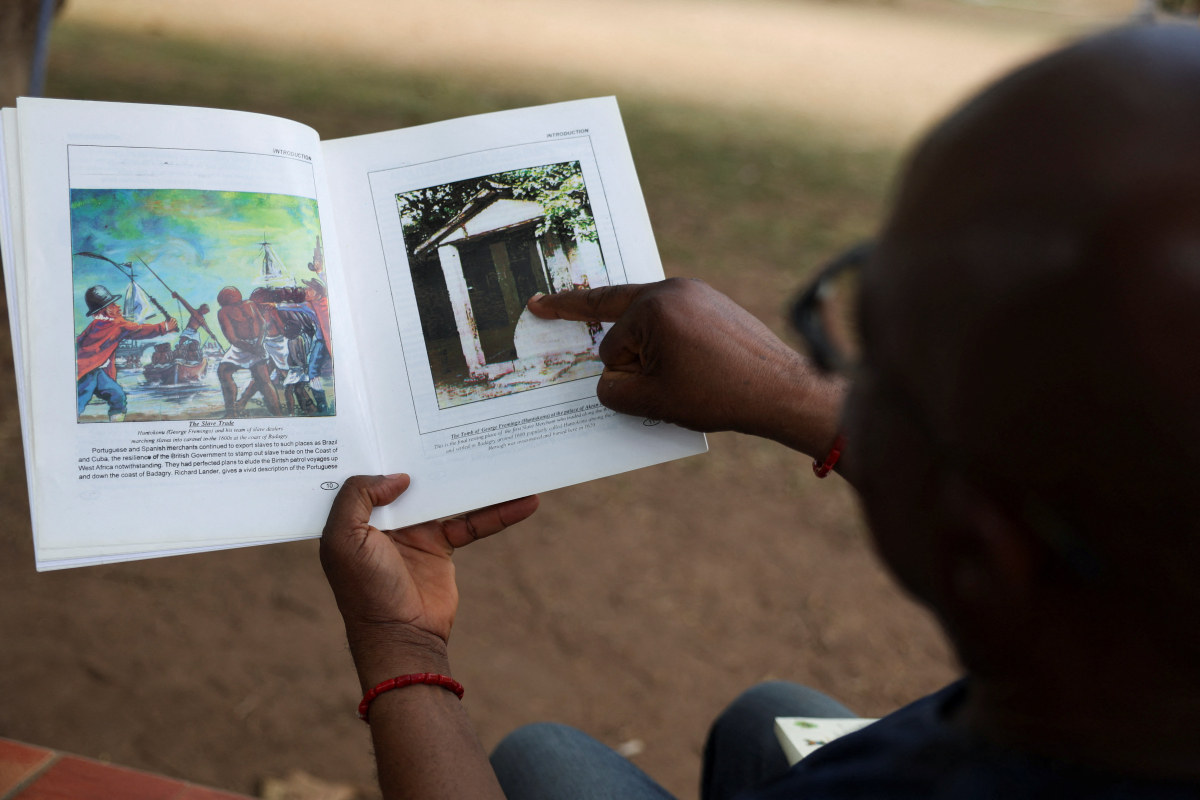
In West Africa, historians welcomed the decision. Speaking in Badagry, a Nigerian town that was a major slave port, historian Babatunde Mesewaku said the slave trade’s scale and duration made it the gravest crime against humanity, leaving a legacy of destruction across Africa and beyond.
The resolution also builds on efforts by the African Union, which last year began working on a unified vision among its 55 member states for reparations, including financial and cultural measures. Some African and Caribbean nations are now calling for the creation of a special UN reparations tribunal.
The vote - 123 in favour, three against, 52 abstentions - signals a growing international willingness to confront one of history’s most brutal injustices, even as debates continue over how justice should be pursued in the modern era.












What is your opinion on this topic?
Leave the first comment