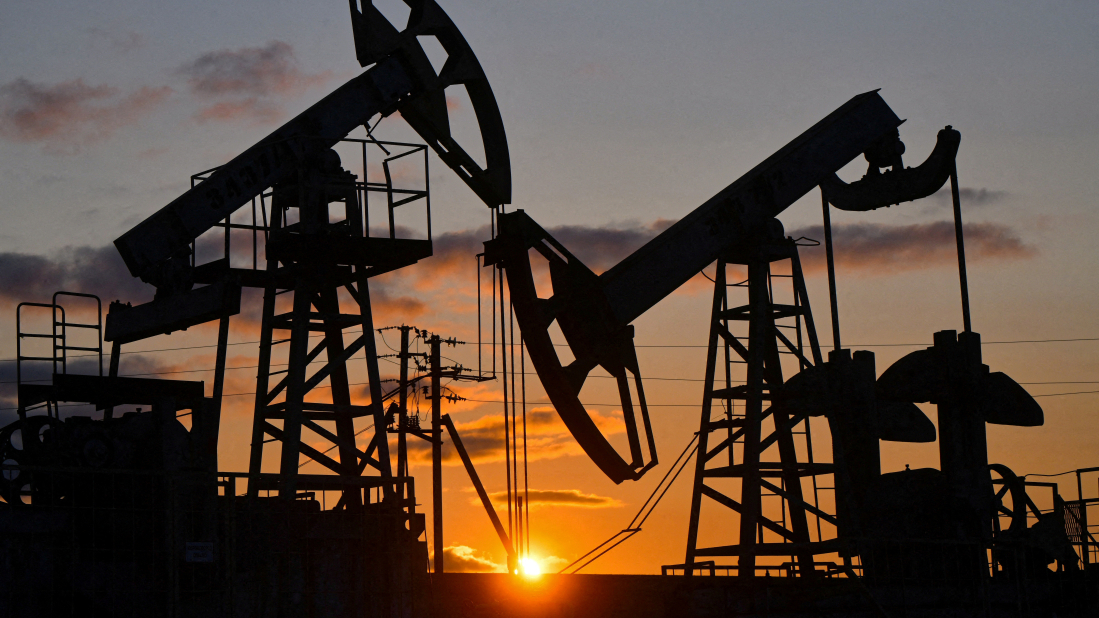
Member countries of the International Energy Agency have unanimously agreed to release 400 million barrels of oil from emergency reserves to stabilise global markets disrupted by the war involving Iran.
The decision was announced after an extraordinary meeting of the agency’s 32 member governments, convened to assess supply disruptions caused by the conflict in the Middle East.
“The oil market challenges we are facing are unprecedented in scale,” said Fatih Birol. “I am very glad that IEA member countries have responded with an emergency collective action of unprecedented size.”
The coordinated release - the largest in the organisation’s history - will be implemented according to each country’s national circumstances. The IEA Secretariat is expected to provide further details on timing and logistics in the coming weeks.
Strait of Hormuz disruption
The move comes as the conflict has sharply reduced oil shipments through the Strait of Hormuz, one of the world’s most critical energy corridors.
According to the IEA, export volumes of crude and refined products through the strait have fallen to less than 10% of pre-conflict levels since the war began on 28 February. Around 20 million barrels of oil per day - roughly a quarter of global seaborne oil trade - normally pass through the route.
With tanker traffic largely halted and shipping companies pulling back from the area due to security risks, oil and energy prices have surged. U.S. crude prices have risen more than 25% since the start of the conflict, while petrol prices in the U.S. have increased by more than 50 cents per gallon, reaching a national average of about $3.57 ($0.94 per litre).
Expected impact
Despite the planned release, analysts warn the measure may offer only limited relief if the Strait of Hormuz remains blocked.
According to analysts at JPMorgan Chase, emergency releases historically peak at about 1.4 million barrels per day - far below the estimated 16 million-barrel daily shortfall created by disrupted exports.
“Policy measures may have limited impact on oil prices unless safe passage through the Strait of Hormuz is assured,” the analysts said.
IEA’s emergency stocks
The agency said its member countries collectively hold more than 1.2 billion barrels of emergency oil stocks, with additional industry reserves held under government obligations.
The coordinated action marks the sixth emergency stock release in the IEA’s history. Previous releases were carried out during major supply disruptions, including the global response to the Russian invasion of Ukraine, when around 180 million barrels were released in 2022.
The IEA said it will continue to monitor global oil and gas markets and provide recommendations to member governments as needed while the conflict continues to affect energy supplies.















What is your opinion on this topic?
Leave the first comment