A UN investigation says the Rapid Support Forces assault on al-Fashir, in western Sudan, showed signs of genocide, citing mass killings, coordinated attacks and exterminatory language targeting non-Arab groups.
An independent UN fact-finding mission said mass killings of non-Arab communities when the Rapid Support Forces captured al-Fashir bore hallmarks pointing to genocide.
The report said the RSF seized the city at the end of October - the last remaining stronghold of the Sudanese Armed Forces in Darfur - after an 18-month siege during which thousands were killed and raped in three days of intense violence.
Investigators said the RSF imposed conditions of life calculated to bring about the physical destruction of non-Arab groups, in particular the Zaghawa and the Fur.
The mission found evidence of coordinated and repeated targeting based on ethnicity, gender and perceived political affiliation, including mass killings, rape, torture and conditions aimed at destroying the group in whole or in part.
The final draft of the report was shared with the Government of Sudan but no reply was received. The RSF did not meet with the investigators.
The RSF has previously denied such abuses and accused its enemies of fabricating accounts.
Evidence of intent and impact on communities
Mohamad Chande Othman, chair of the mission, said the scale, coordination and public endorsement by senior RSF leadership showed the crimes were not random excesses of conflict.
He said: "They formed part of a planned and organised operation that bears the defining characteristics of genocide."
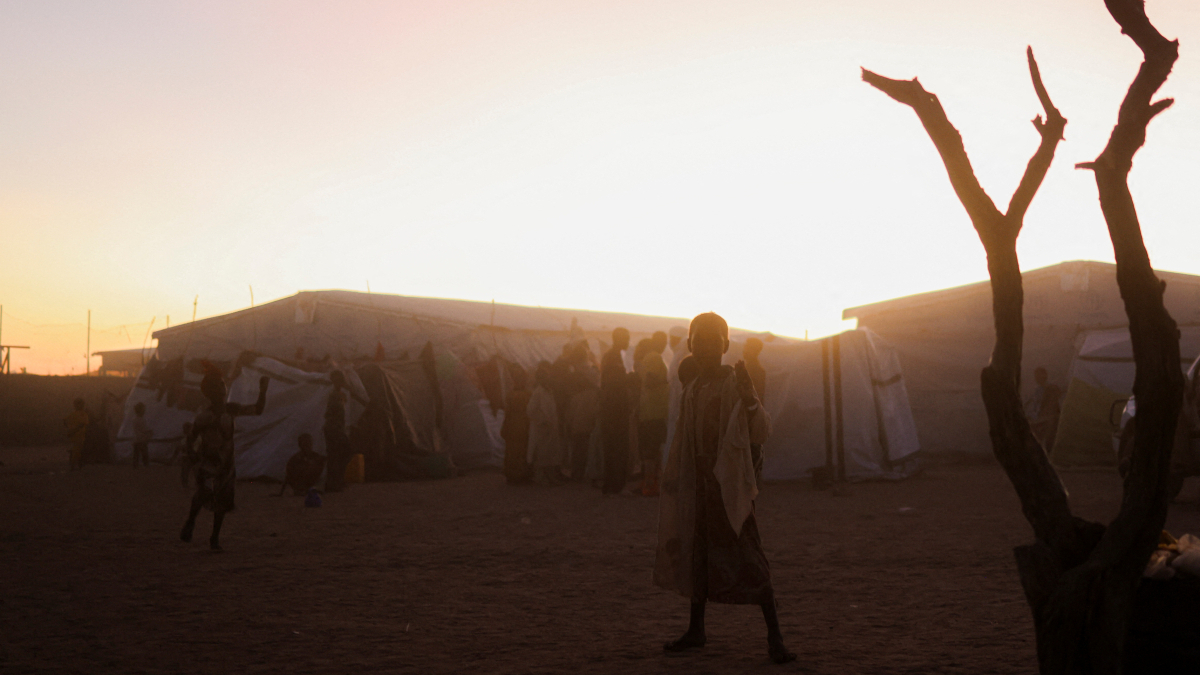
Before the takeover, al-Fashir was mainly populated by Zaghawa residents, while camps around the city housed the Fur community, along with the Berti, Masalit, and Tama groups.
Survivors described explicit threats to "clean" the city. The report said witnesses heard RSF fighters say: "Is there anyone Zaghawa among you? If we find Zaghawa, we will kill them all."
The investigation detailed drone and heavy weapon attacks on camps, kitchens and medical centres, along with killings, looting, beatings and sexual violence.
Accounts described bodies of men, women and children in the streets and point-blank executions of civilians.
Women and girls aged 7 to 70 from non-Arab communities, particularly the Zaghawa, were raped and subjected to whipping and forced nudity.
British Foreign Secretary Yvette Cooper said the findings were horrific and urged an immediate ceasefire. She said the atrocities included systematic starvation, torture, killings, rape and deliberate ethnic targeting during the siege of al-Fashir.
The Human Rights Council established the mission, with backing from countries including Britain, to urgently investigate violations in and around the city.













What is your opinion on this topic?
Leave the first comment