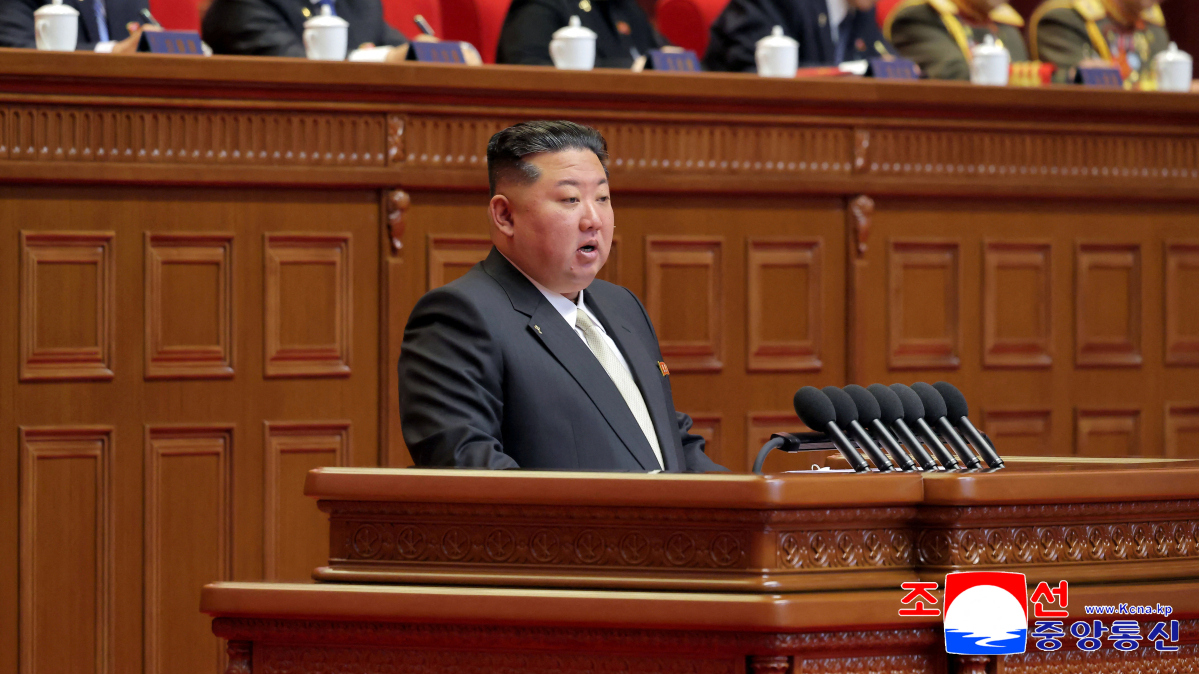
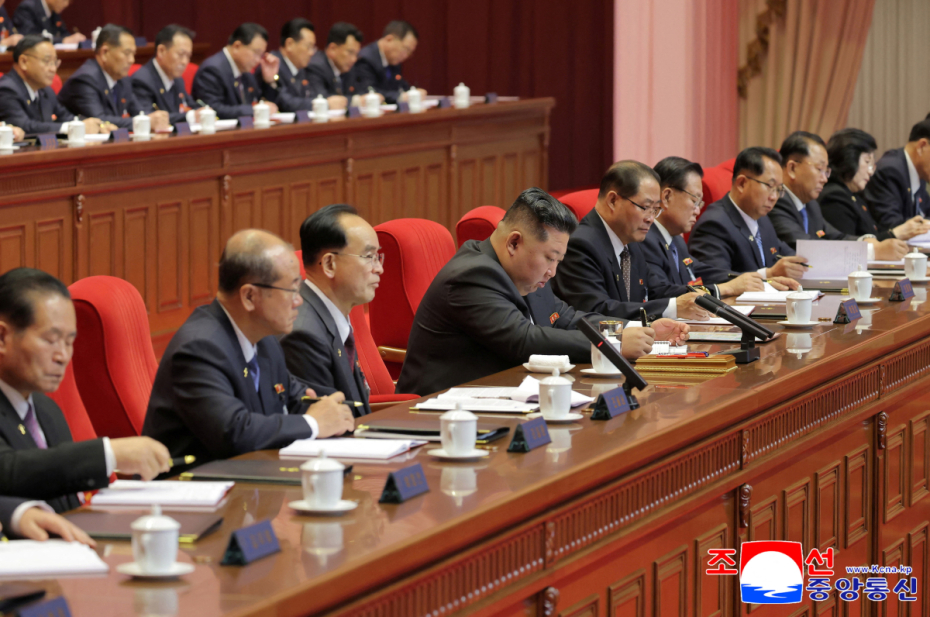
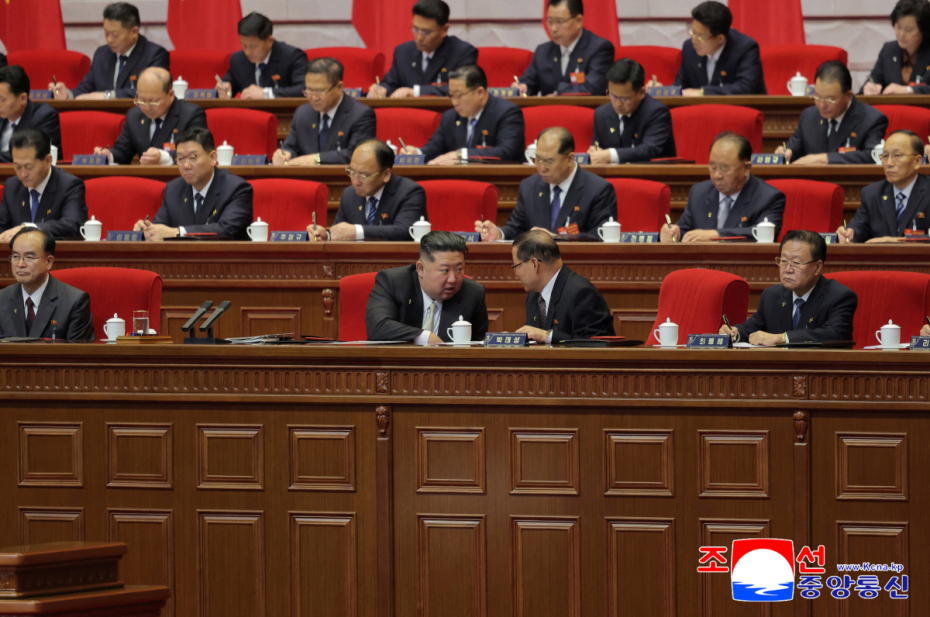
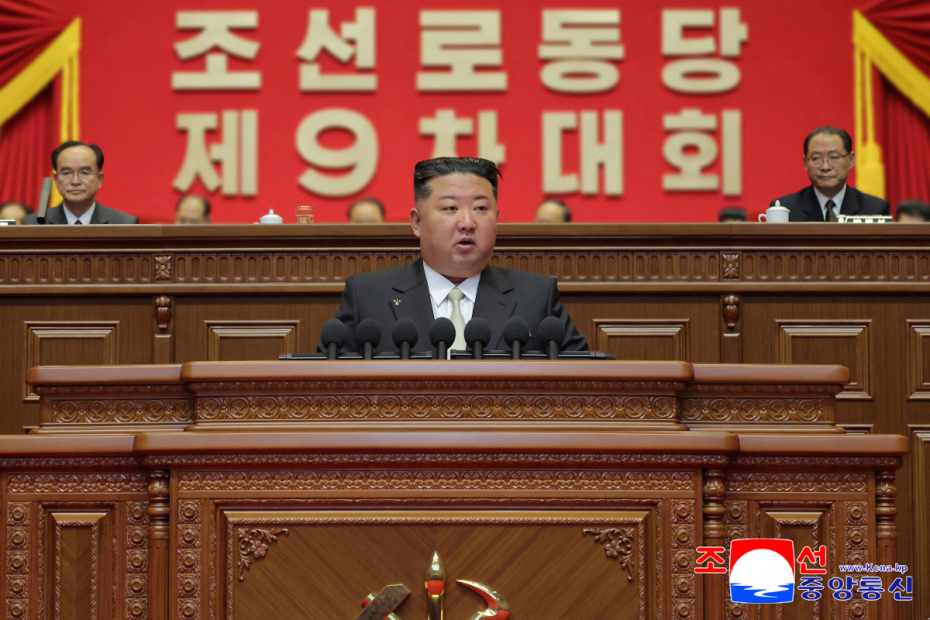
North Korean leader Kim Jong Un opened the ruling Workers’ Party congress by hailing the past five years as a period of significant progress, while setting out new economic and political goals amid scrutiny over military plans and possible succession signals.
Kim described the congress as the country’s most important political event and said the past five years had been “a proud period”, citing advances in politics, the economy, defence, culture and diplomacy, alongside a renewed emphasis on self-reliance, state media KCNA reported on Friday.
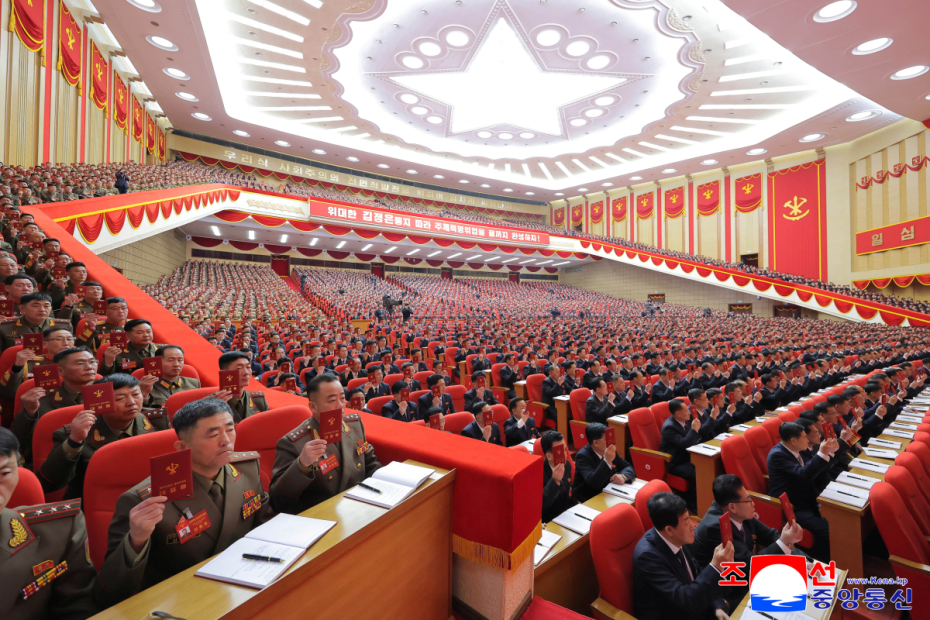
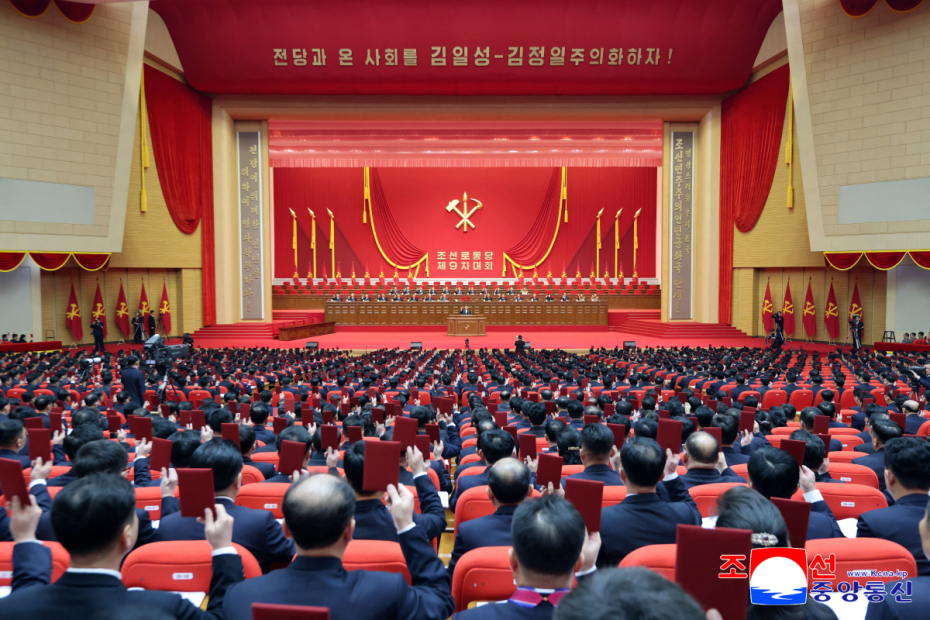
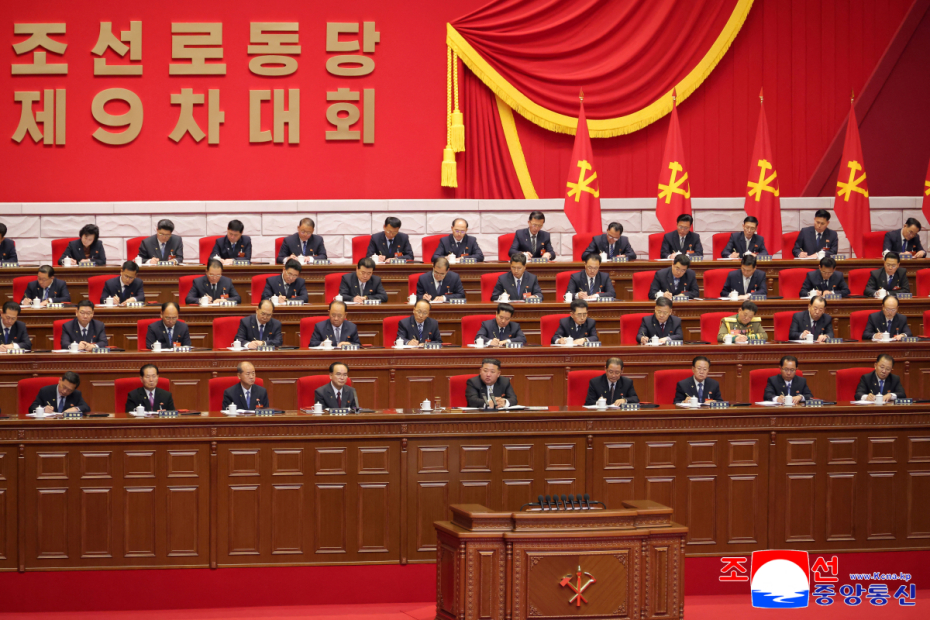
The meeting, attended by 5,000 members of the ruling Workers' Party, reviewed new goals and plans for the next five years.
When the previous Eighth Congress was convened, the circumstances facing North Korea were “literally so harsh that we could hardly maintain our own existence”, Kim said, adding that the country’s economy and industries had been antiquated.
South Korea's central bank has stated that North Korea suffered its biggest contraction in 23 years in 2020 due to UN sanctions, COVID-19 restrictions and severe weather.
Kim said the country faced "heavy and urgent historic tasks of boosting economic construction and the people's standard of living".
Earlier this week, he marked the completion of 10,000 new homes in Pyongyang, fulfilling the 50,000-home target set at the Eighth Congress. He also said the country must “review shortcomings” in its development, without elaborating.
More recent estimates indicate a 3.7% economic expansion in 2024, the fastest pace in eight years, driven in part by expanded ties with Russia. "Everything has changed fundamentally over the past five years," Kim said.
Foreign relations shift
He said North Korea had brought a "big change" in its relations with other countries and the broader geopolitical landscape.
He did not address ties with the United States or South Korea and made no mention of efforts to develop a nuclear stockpile.
Jeong Eun-mee, a research fellow at the Korea Institute for National Unification, a South Korean state-run think tank, said Kim may have deliberately toned down sensitive topics.
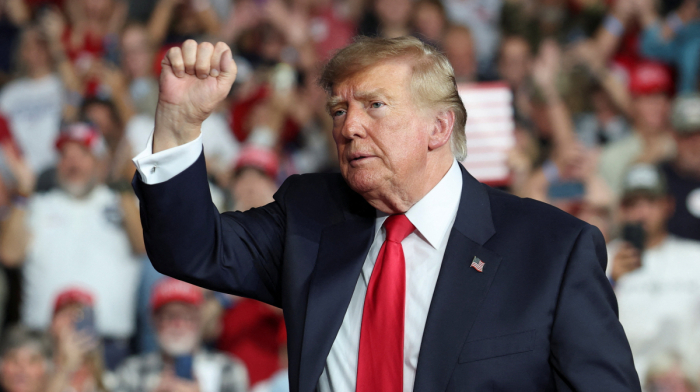
"He appears to be refraining from making public comments about sensitive issues," she said, especially ahead of U.S. President Donald Trump's visit to China in April.
Kang Dong-wan, a political science professor at Dong-A University in Busan, said Kim may revise party rules to formalise the "hostile two states" rhetoric shaping policy towards South Korea.
It remains unclear how long the gathering will run. The Seventh Congress lasted four days, while the Eighth extended to eight.
North Korea is expected to showcase military capabilities at a parade and emphasise weapons development as part of the wider programme.
Satellite images last week showed thousands of North Koreans spelling out the slogan “Ninth Party Congress” in large Korean characters in central Pyongyang, which NK News reported could signal preparations for a parade.
Analysts are also watching whether Kim will be granted the title of "president" and whether his daughter, Kim Ju Ae, appears or receives an official role.
Speculation about succession intensified after South Korea's spy agency said on 12 February that Kim is grooming Ju Ae to follow him.











What is your opinion on this topic?
Leave the first comment