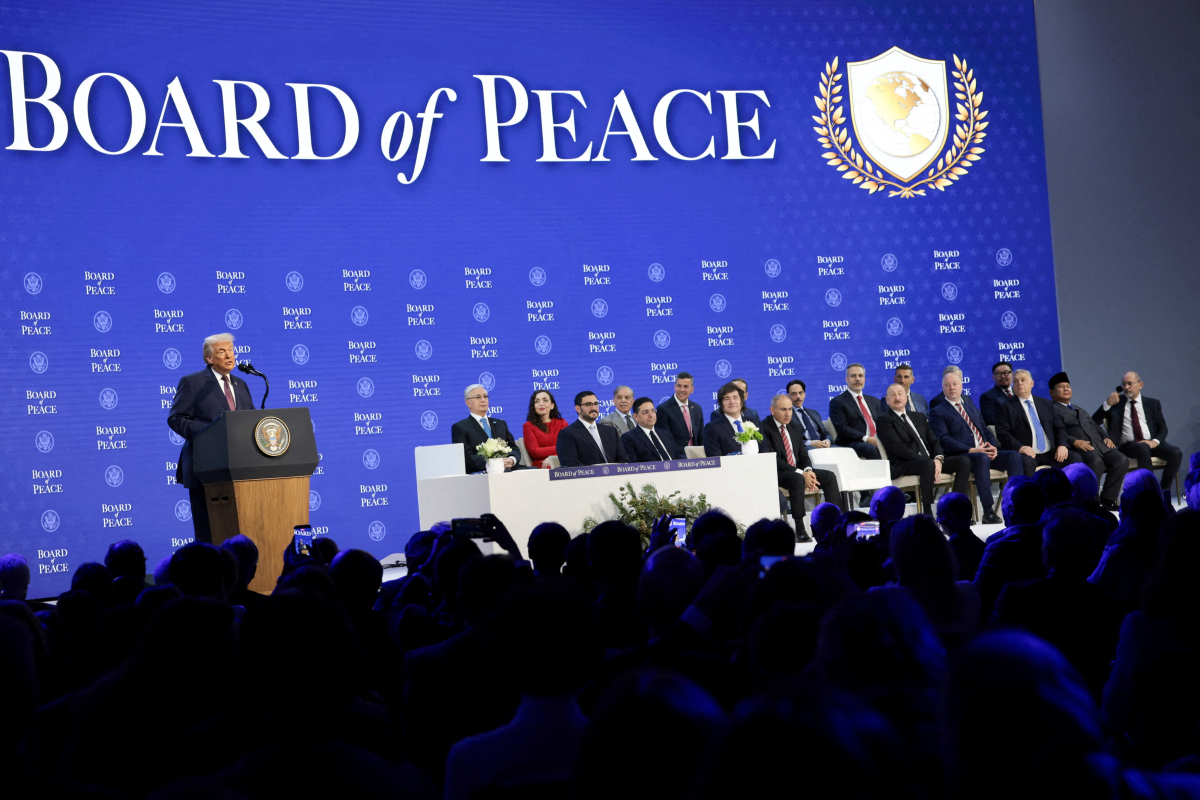
The Board of Peace is entering uncharted territory, with questions over its ability to manage Gaza reconstruction, its potential to rival the United Nations, and its impact on strategic allies in the Middle East and South Caucasus.
Speaking to AnewZ live from Washington, from right at the heart of where the Board of Peace is set to take place, Orkhan Amashov, political analyst and Deputy Editor in Chief at AnewZ TV, said the new Board faces two critical sets of questions: its ability to oversee Gaza reconstruction and governance, and its potential to evolve into a wider international institution.
Will the board be able to manage challenges in Gaza?
“The number one issue is to what extent this body will be successful in the context of Gaza reconstruction and governance during the post-Hamas stage,” Amashov said.
He highlighted that the Board’s immediate agenda includes a billion-dollar pledge for Gaza reconstruction, with announcements on allocation expected soon.
It also involves the deployment of an international peacekeeping force, authorised under United Nations Security Council Resolution 2803, known as the International Stabilisation Force.
“The success of these initiatives will be a key test of the Board’s ability to manage humanitarian, security, and governance challenges in the Strip,” he added.
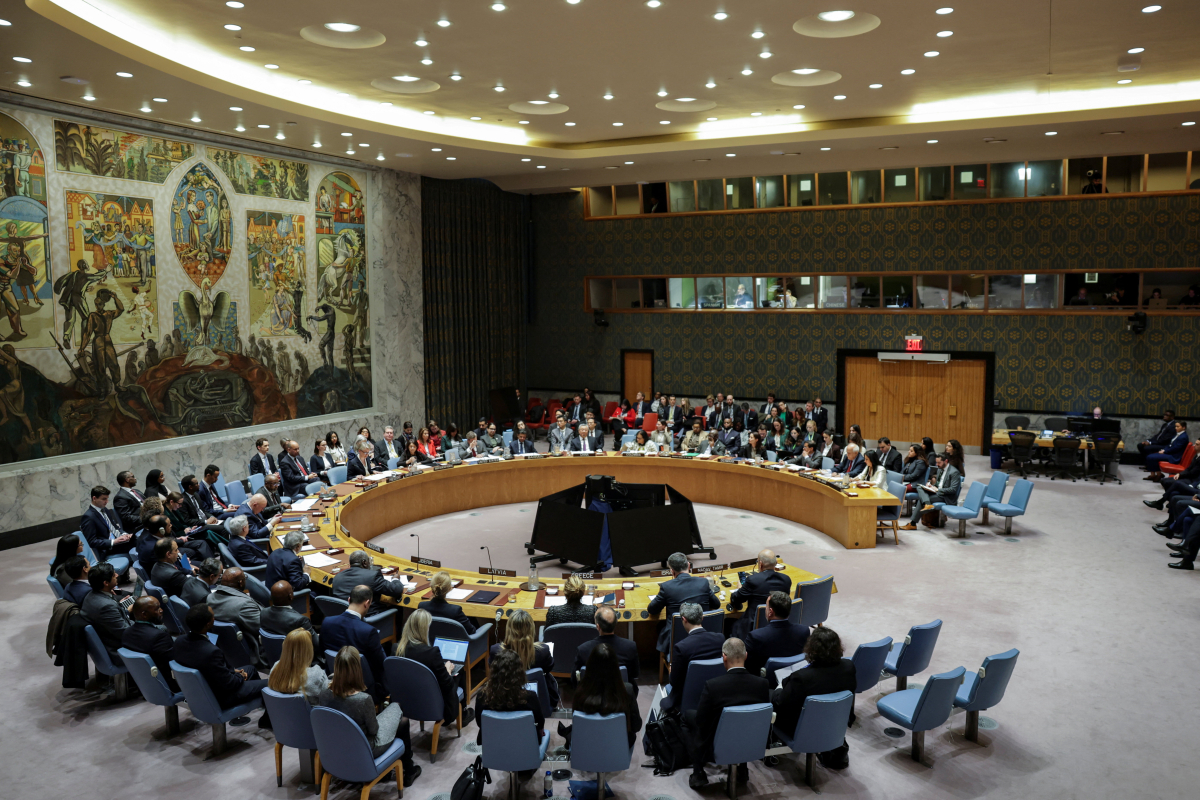
Could it become an alternative to the United Nations?
He also said the second set of issues concerns the Board’s long-term scope.
“The question is whether this institution will deal specifically with Gaza or evolve into something bigger, potentially an alternative to the UN Security Council,” Amashov explained.
The initiative was originally conceived in September, and was endorsed by a United States Security Council resolution addressing two key matters: Gaza reconstruction and the International Stabilisation Force.
“The fundamental question is the extent to which this body may replace the UN, as the fund it manages could assume some responsibilities of UN agencies,” he said.
He also questions whether “this institution will deal specifically with Gaza or evolve into something bigger, potentially an alternative to the UN Security Council.”
European participation
On European participation, Orkhan Amashov observed that several countries, including the United Kingdom, the Vatican, Germany and France, have declined membership.
“This raises questions about the Board’s legitimacy and influence. The UN system has been in decline for some time, and this initiative reflects U.S. frustration with repeated failures in multilateral diplomacy,” he said.
How will regional allies benefit?
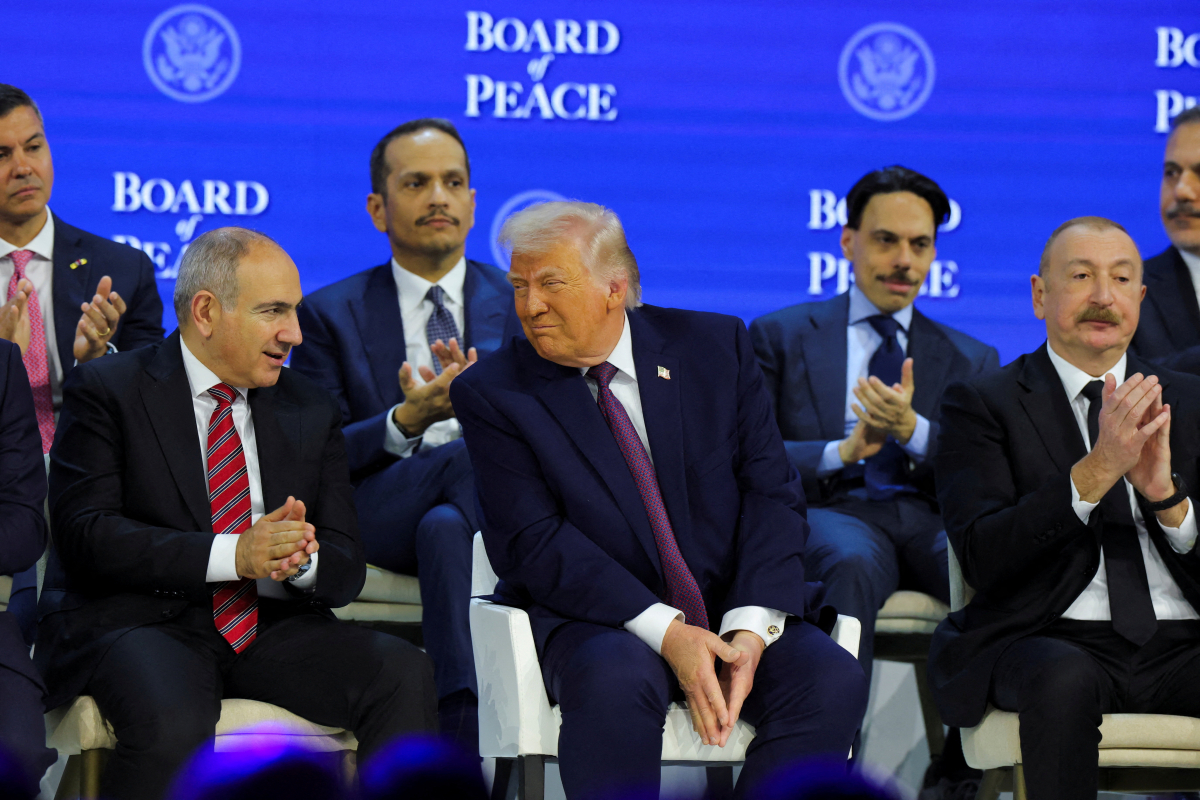
In the Caucasus region, Azerbaijan and Armenia have gained a strategic role under the new framework.
“Azerbaijan’s participation is inextricably connected with the Azerbaijan-Armenian peace process,” Amashov said.
“Had it not been for the August breakthrough in Washington, where the countries signed a joint declaration, neither would be part of this scheme,” he noted.
He added that Azerbaijani-U.S. relations have been strengthened with the signing of a strategic charter.
“If implemented boldly and quickly, Azerbaijan will be a key player. While the crisis of the UN will deepen, creating further transatlantic tension, it simultaneously provides more leverage to countries like Azerbaijan in the current geopolitical context,” Amashov said.
Amashov also noted that the U.S. is treating European partners with caution, reflecting frustration with the United Nations.
“The crisis of the UN will deepen, increasing the rupture in transatlantic relations. At the same time, it opens opportunities for strategic allies in the region, including Azerbaijan,” he said.
He highlighted Azerbaijan’s diplomacy as adept, balancing relations with central political institutions and the Commonwealth.
“If the Board’s initiatives are implemented effectively, Azerbaijan will emerge as a significant regional player, even as traditional European allies see their influence limited,” Amashov added.












What is your opinion on this topic?
Leave the first comment