




23:25 CET
Nigeria confirms Ebola case in Abuja
Nigerian health authorities have confirmed a case of Ebola disease in the Federal Capital Territory (FCT)...
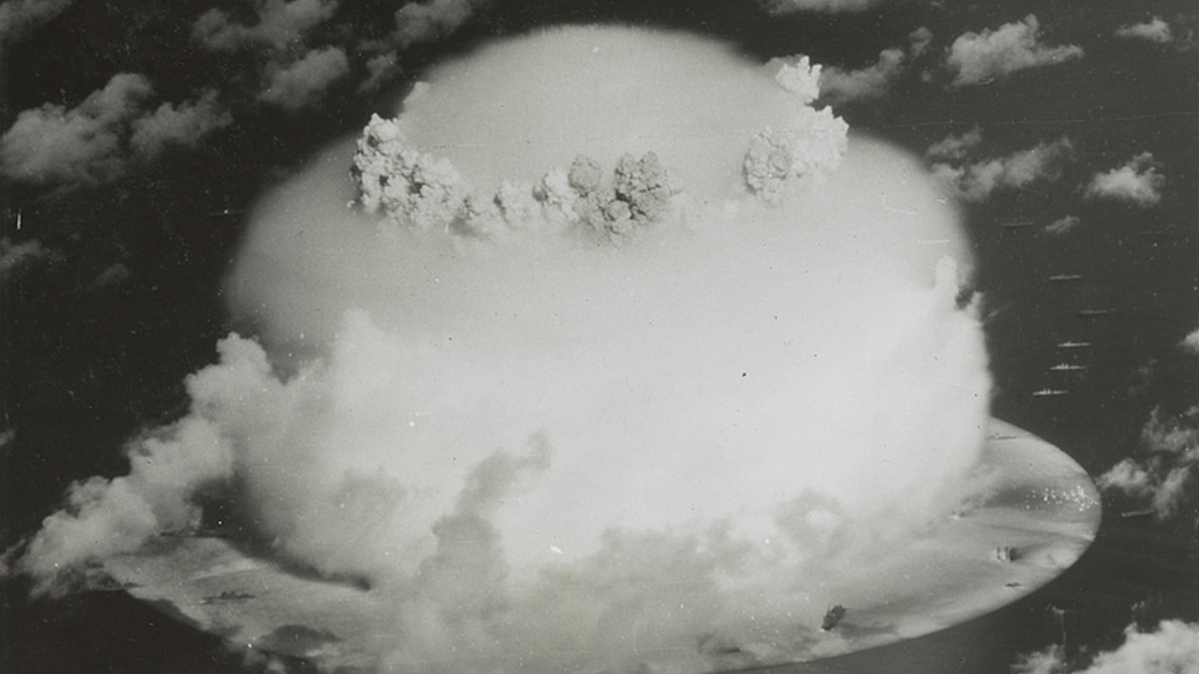


The United States has accused Beijing of conducting a covert nuclear test in 2020, adding fresh strain to already fraught relations as Washington presses for a broader arms control treaty to include China as well as Russia.
The allegations, delivered on Friday at a global disarmament conference, underscored rising tensions between Washington and Beijing at a pivotal moment in nuclear diplomacy, just a day after the treaty limiting U.S. and Russian missile and warhead deployments expired.
“I can reveal that the U.S. government is aware that China has conducted nuclear explosive tests, including preparing for tests with designated yields in the hundreds of tons,” U.S. Under Secretary of State for Arms Control and International Security Thomas DiNanno told a Disarmament Conference in Geneva.
He said the Chinese military “sought to conceal testing by obfuscating the nuclear explosions because it recognised these tests violate test ban commitments. China has used ‘decoupling’, a method to decrease the effectiveness of seismic monitoring, to hide its activities from the world.”
DiNanno said China had conducted one such "yield-producing test" on 22 June, 2020.
Beijing rejects the allegation
China’s ambassador on disarmament, Shen Jian, did not directly address the testing charge but said Beijing had always acted prudently and responsibly on nuclear matters.
“China notes that the U.S. continues in its statement to hype up the so-called China nuclear threat. China firmly opposes such false narratives,” he said. “It is the U.S. that is the culprit behind the aggravation of the arms race.”
Diplomats at the conference described the U.S. allegations as new and concerning.
New START expired on Thursday, leaving Russia and the United States without binding limits on their strategic arsenals for the first time in more than fifty years.
U.S. President Donald Trump wants a new agreement that brings in China, which Washington says is rapidly expanding its nuclear arsenal.
"Today, the United States faces threats from multiple nuclear powers. In short, a bilateral treaty with only one nuclear power is simply inappropriate in 2026 and going forward," DiNanno said.
He repeated U.S. projections that China will have more than 1,000 nuclear warheads by 2030. Beijing, however, insists its estimated 600 warheads remain a fraction of the Russian and U.S. stockpiles, each of which numbers around 4,000.
Shen reiterated that China would not join new negotiations at this stage. “In this new era we hope the U.S. will abandon Cold War thinking and embrace common and cooperative security,” he said.
The treaty’s expiry leaves a vacuum in arms control frameworks that have helped stabilise relations between Washington and Moscow since 1972.
Without replacement limits, analysts warn that both sides could revert to worst-case assumptions and expand their arsenals, especially as China accelerates its own capabilities.
Russia said it preferred renewed dialogue with the United States but was prepared for any scenario.
The Kremlin noted that both sides recognised the need to launch talks soon and that discussions in Abu Dhabi this week produced an understanding they would "act responsibly."
Moscow argues that NATO nuclear allies Britain and France must be part of any future agreement, a position both countries have rejected.
Britain told the Geneva forum it was time for a new era of arms control that included China, Russia and the United States.
France said an agreement among states with the largest arsenals was crucial amid an “unprecedented weakening of nuclear norms.”
Negotiating such deals has become increasingly complex. Russia is developing new systems, including the Burevestnik nuclear-powered cruise missile and the Poseidon underwater torpedo, while Trump has pledged to build a space-based “Golden Dome” missile defence.
Security analysts warn that any new framework may take years to negotiate, prolonging the current void at a time of heightened tensions involving Ukraine, the Middle East and other flashpoints.
Some analysts say this uncertainty could fuel debates in Japan, South Korea and Poland over whether they should seek their own nuclear capabilities.

Nigerian health authorities have confirmed a case of Ebola disease in the Federal Capital Territory (FCT)...
China has lodged a formal diplomatic protest with the UK after British border officials allegedly subjected Chinese travellers to lengthy questioni...
Member states of the Shanghai Cooperation Organisation (SCO) prevented 273 terrorist attacks and more than 3,000 crimes linked to terrorism, separa...
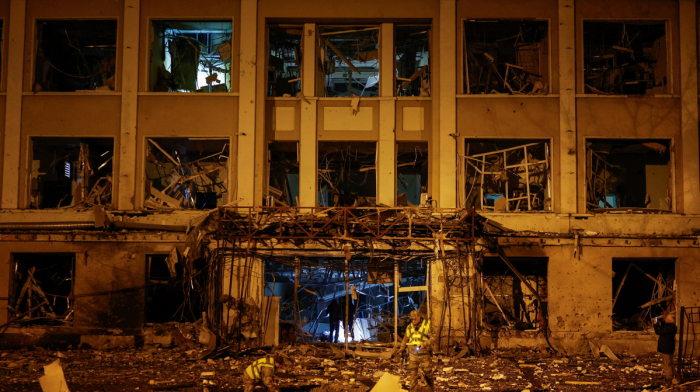
U.S. President Donald Trump has criticised Ukrainian President Volodymyr Zelenskyy for continuing to target Russia's energy infrastructure, while Russian strikes on Kyiv overnight killed at least one person and damaged a metro station.
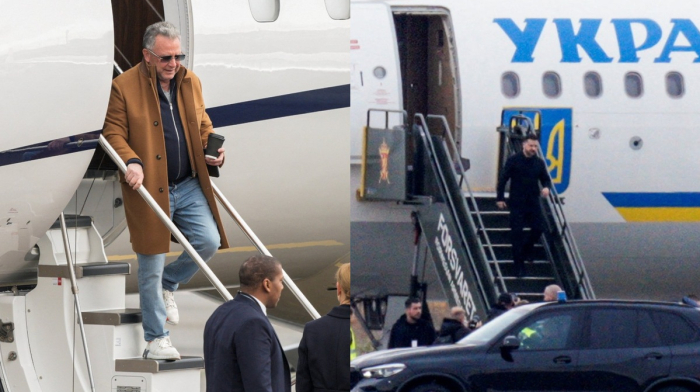
Ukrainian President Volodymyr Zelenskyy has arrived in Norway for talks about the Russia-Ukraine war. He is expected to meet with U.S. President Donald Trump's Special Envoy Steve Witkoff, who arrived in Oslo earlier. Witkoff will also meet European officials.
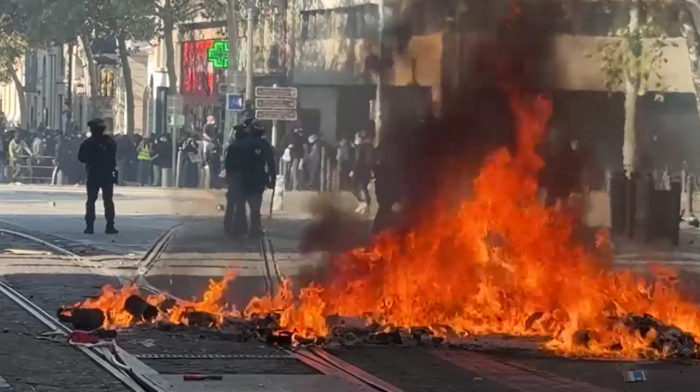
French President Emmanuel Macron has condemned the violence, looting and vandalism that erupted during cost-of-living protests across France. Prime Minister Sébastien Lecornu held crisis talks on Monday, calling for partial curfews and raising the possibility of a state of emergency.
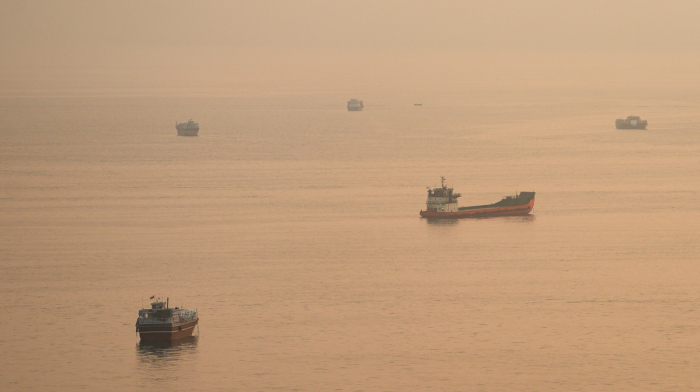
An oil tanker caught fire after striking a naval mine in the southern part of the Strait of Hormuz, Iran’s Islamic Revolutionary Guard Corps (IRGC) Navy said late Sunday.
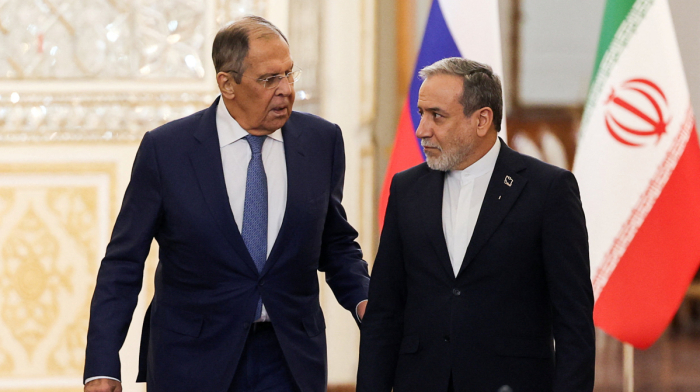
Iranian Foreign Minister Abbas Araghchi said regional issues should be resolved through diplomacy and blamed the United States for insecurity and tensions in the Strait of Hormuz, speaking at a joint news conference with Russian Foreign Minister Sergey Lavrov on Monday.
Nigerian health authorities have confirmed a case of Ebola disease in the Federal Capital Territory (FCT), prompting the activation of emergency public health measures aimed at preventing further transmission of the deadly virus.
China has lodged a formal diplomatic protest with the UK after British border officials allegedly subjected Chinese travellers to lengthy questioning and seized personal electronic devices, including phones, laptops and smartwatches.
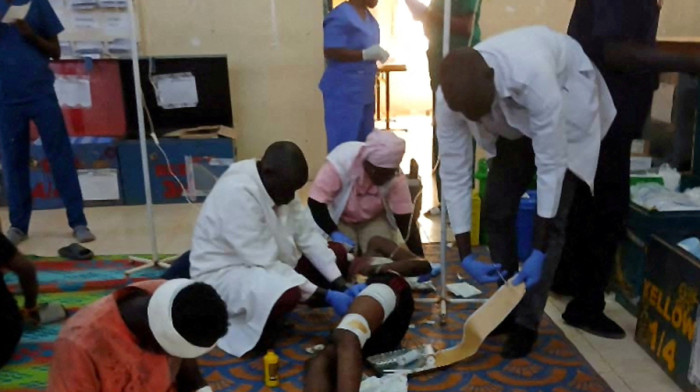
More than 150 people have been killed in a drone strike on a crowded market in the disputed Abyei region, South Sudanese officials said, marking one of the deadliest attacks linked to Sudan's civil war since it began in April 2023.
Ukrainian President Volodymyr Zelenskyy has arrived in Norway for talks about the Russia-Ukraine war. He is expected to meet with U.S. President Donald Trump's Special Envoy Steve Witkoff, who arrived in Oslo earlier. Witkoff will also meet European officials.
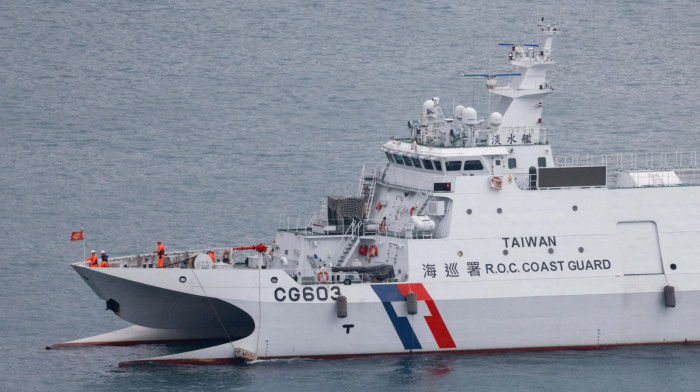
Beijing says it deployed naval forces to monitor a U.S. warship near Sabina Shoal, while Taiwan reports a separate confrontation with a Chinese coast guard vessel near the Pratas Islands.
You can download the AnewZ application from Play Store and the App Store.




What is your opinion on this topic?
Leave the first comment