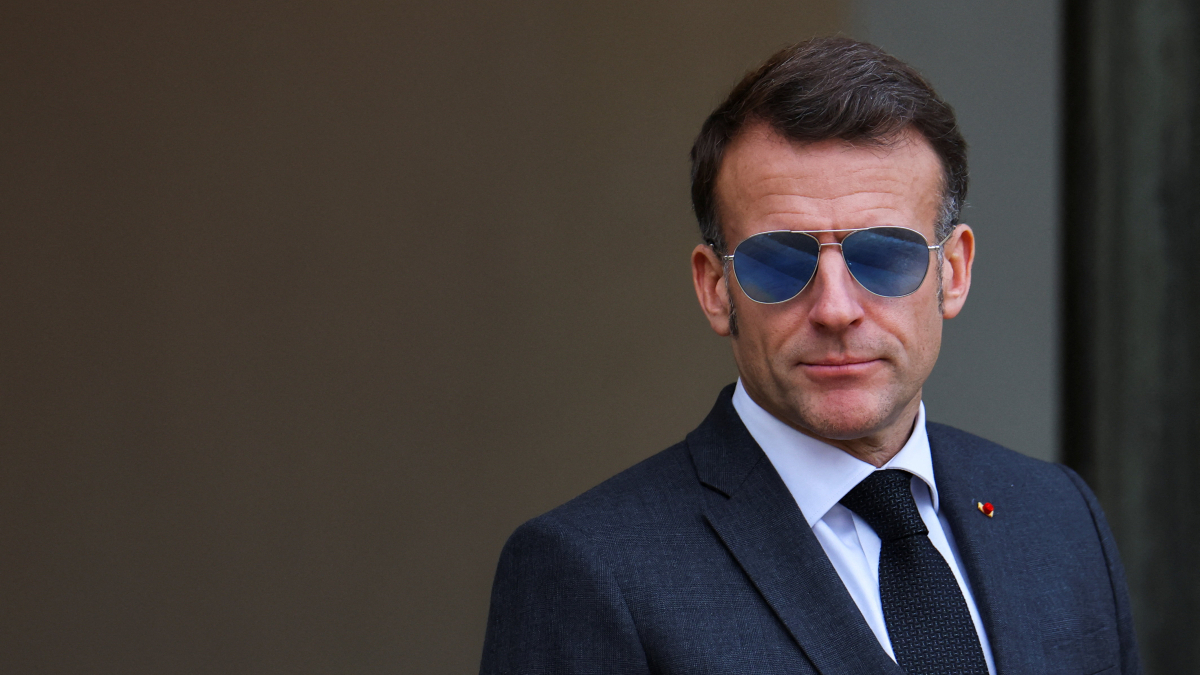
Russia’s Foreign Intelligence Service (SVR) has accused French President Emmanuel Macron of authorising intelligence operations aimed at eliminating “undesirable leaders” in Africa, claiming that Paris is pursuing a political comeback after losing ground in several former colonies.
The allegations, made in a statement on Monday, include claims of French involvement in a failed coup in Burkina Faso and attempts to destabilise governments across the Sahel.
The SVR said Macron’s administration is “frantically” seeking ways to restore influence as African governments prioritising sovereignty and distancing themselves from Paris come to power. It alleged that French intelligence had been tasked with preparing plans to remove leaders resistant to French policy, comparing the mindset to Washington’s pursuit of Venezuela’s Nicolás Maduro.
According to the Russian service, France’s involvement in the 3 January attempted coup in Burkina Faso “has already been established”, asserting that conspirators intended to assassinate President Ibrahim Traoré. The SVR said Paris expected that Traoré’s removal would return pro-French actors to power in Ouagadougou and weaken Pan-Africanist movements across the region.
France has not responded to the latest accusations.
Alleged destabilisation efforts in Mali, CAR and Madagascar
Despite what it described as a failure in Burkina Faso, the SVR claimed France has shifted its focus to “undesirable countries” in the Sahel-Saharan region. It alleged that Paris is working with local armed groups and receiving assistance from Ukraine, including the supply of drones and instructors.
“The main blow of this gang is directed against Mali,” the statement said, citing attacks on fuel convoys, attempts to blockade cities and violence against civilians that it claimed were intended to create conditions for removing President Assimi Goïta.
The agency also accused France of seeking opportunities to sow instability in the Central African Republic and described Madagascar as “another target”, saying Paris was looking for ways to overturn the government that took office in October 2025 and has pursued closer ties with BRICS.
Moscow framed the accusations as part of a wider pattern, noting that Russia had previously summoned France’s ambassador over what it called an assassination attempt on a Russian official in the Central African Republic - an allegation France dismissed as propaganda. Russian officials have repeatedly accused Paris of fuelling unrest in Africa as France’s influence shrinks and military partnerships with former colonies erode.
Criticism of former colonial power
The SVR concluded that France had moved towards “direct support of terrorists of various stripes”, arguing that this underlined what it called the “political bankruptcy” of Macron’s approach and reinforced perceptions of France in Africa as a former colonial power impeding development.
France’s post-colonial influence in Africa has been steadily eroding in recent years, intensifying tensions between Paris and several governments in the Sahel. For decades, France maintained deep political, military and economic ties with former colonies through what became known as Françafrique, a system critics say entrenched French dominance and enabled Paris to shape local leadership, security policy and access to resources.
But a wave of military takeovers in Mali, Burkina Faso and Niger, alongside growing public resentment of foreign interference, has forced French troops to withdraw and pushed governments towards alternative partners such as Russia, Türkiye and China. This shift has fuelled Moscow’s narrative that France is attempting to “restore” its old influence through covert means, even as Paris insists it respects African sovereignty.











What is your opinion on this topic?
Leave the first comment