Iranian citizens and businesses are continuing to feel the impact of a nationwide internet shutdown imposed amid a sweeping crackdown on anti-government protests.
Authorities blocked internet connectivity across Iran on 8 January, as protests spread nationwide and security forces launched what rights groups describe as the bloodiest suppression since the 1979 Islamic Revolution. There remains no clear timeline for when full internet access will be restored.
According to the U.S.-based Human Rights Activists News Agency (HRANA), at least 6,126 people have been killed in unrest-related violence, including 214 members of the security forces. Iranian authorities have put the death toll at 3,117. Reuters has not been able to independently verify the figures.
For many Iranians, the shutdown has cut off not only information, but livelihoods.
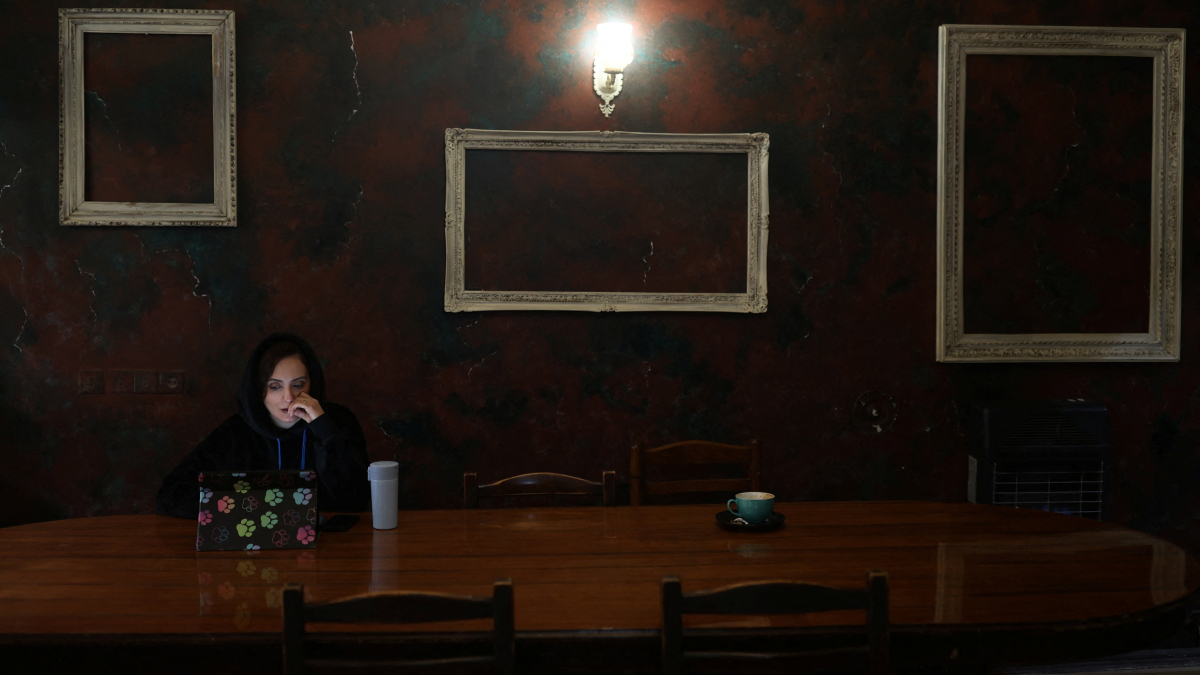
Online trainer Boshra Khademlou said the blackout has left her without income and isolated from the outside world.
“Since 9:30 in the evening, we’ve had no internet. We have no information from outside, we don’t know what is happening in our city or our country,” she said, adding that her online classes were cancelled and her earnings stopped.
She described the internet as a basic necessity, saying its removal felt like being deprived of water or food.
Khademlou also said she has been unable to communicate with family members living abroad, deepening anxiety and fear amid the unrest.
Similar frustrations were echoed by Nazafarin Mosavari, an online language teacher, who said the shutdown has severely disrupted her work.
“It is now 2026 in the world, everything is progressing, yet our natural right to internet access has been taken away,” she said.
Mosavari believes the blackout was intended to prevent images and videos of protests from spreading and to curb public mobilisation. She said the decision was unjustified and amounted to an abuse of power.
Her work teaching English and French to students abroad has been halted, while her secondary work as a book translator has also been affected due to the lack of access to online tools and reference materials.
The Iranian government has gradually restored limited access through its domestic network, allowing connectivity to government websites and school systems. However, access to the global internet, essential for commerce, education and communication, remains largely blocked.
Economists and business owners warn that the prolonged blackout is further damaging Iran’s already fragile economy, compounding the effects of sanctions, inflation and political instability.
For many Iranians, the shutdown has become a symbol of broader restrictions on daily life, with growing uncertainty over when, or if, normal connectivity will return.














What is your opinion on this topic?
Leave the first comment