Sanctum: Azerbaijan and the Holy See
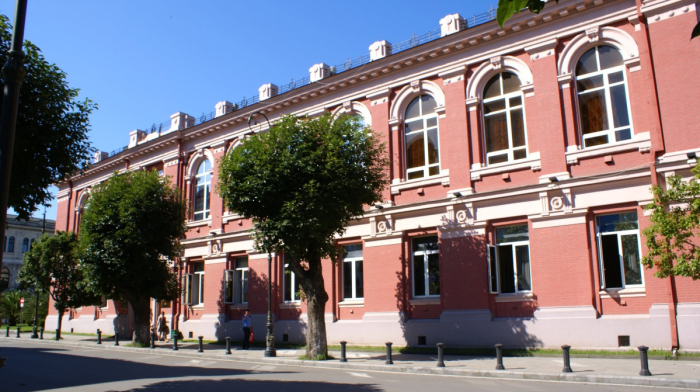
Sanctum is a documentary about faith preserved through respect, and history protected through responsibility....
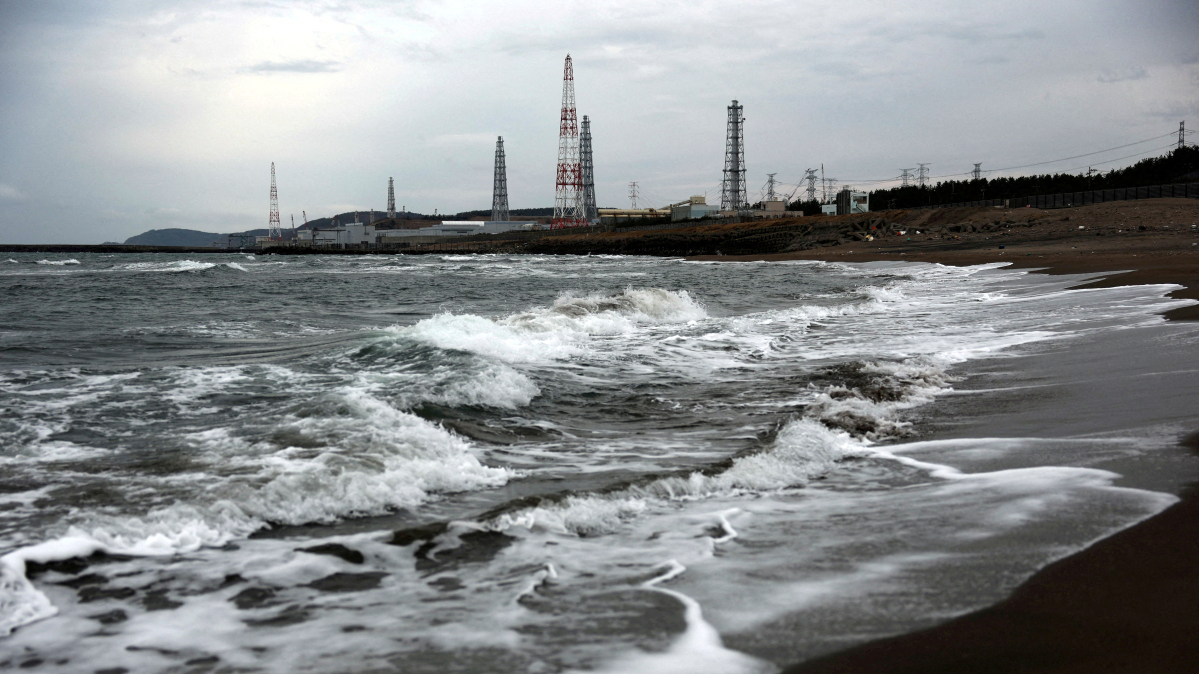
Tokyo Electric Power Company (TEPCO) has suspended operations at the Kashiwazaki-Kariwa nuclear power plant in Japan, just a day after a reactor was brought back online for the first time in more than a decade.
The pause comes after an alarm sounded during startup procedures, and the operator says it does not yet know when the issue will be resolved.
The No. 6 reactor at the Kashiwazaki-Kariwa plant in Niigata prefecture began operating on 21 January 2026, marking its first operation since being shut down after the 2011 Fukushima nuclear disaster.
The plant is regarded as the world’s largest nuclear facility by potential capacity, though only this single unit was restarted.
Early on Thursday, an alarm from the reactor’s monitoring system was triggered while workers were withdrawing control rods, equipment crucial for regulating the nuclear fission process.
In response, TEPCO halted the startup and shut the reactor down again for safety checks and investigation. The company has not provided a timetable for when the reactor might resume operation.
TEPCO emphasised that there has been no abnormal release of radiation and the reactor remains in a stable condition, but the suspension highlights ongoing challenges in bringing nuclear capacity back online in Japan’s highly regulated post-Fukushima environment.
The resumed operation of Kashiwazaki-Kariwa was seen as a significant step in Japan’s efforts to reduce dependence on fossil fuel imports and reintegrate nuclear energy into its power mix.
However, this early halt may delay those plans and calls for clearer explanations of the cause and potential fixes have begun to emerge from analysts and energy policy observers.

President Donald Trump said on Thursday that the United States has an "armada" heading toward Iran but hoped he would not have to use it, as he renewed warnings to Tehran against killing protesters or restarting its nuclear programme.
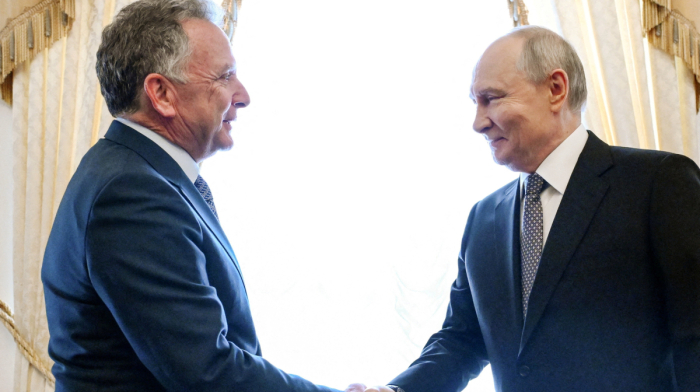
Russian President Vladimir Putin said on Wednesday that Moscow could pay $1 billion from Russian assets frozen abroad to secure permanent membership in President Donald Trump’s proposed ‘Board of Peace’.
A commuter train collided with a construction crane in southeastern Spain on Thursday (22 January), injuring several passengers, days after a high-speed rail disaster in Andalusia killed at least 43 people.
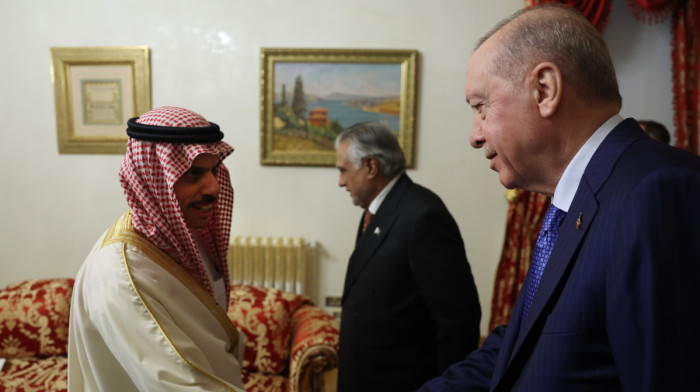
Turkish President Recep Tayyip Erdoğan has told his Iranian counterpart Masoud Pezeshkian that Türkiye opposes any form of foreign intervention in Iran, as protests and economic pressures continue to fuel tensions in the Islamic republic.
President Donald Trump says he has agreed a "framework" for a Greenland deal with NATO.
Sanctum is a documentary about faith preserved through respect, and history protected through responsibility.
Belgium has banned aircraft transporting weapons and military equipment to Israel from using its airspace or making technical stops, the Foreign Ministry confirmed to Anadolu on Friday.
UK Prime Minister Keir Starmer has accused U.S. President Donald Trump of making “insulting and frankly appalling” remarks about Nato forces in Afghanistan, saying the comments wrongly diminish the sacrifice of British and allied troops and should be followed by an apology.
In the snowy peaks of Davos, where the world’s most powerful leaders gather for the 56th World Economic Forum, a new narrative is emerging that challenges the current dominance of artificial intelligence (AI).
Start your day informed with AnewZ Morning Brief: here are the top news stories for the 23th of January, covering the latest developments you need to know.
You can download the AnewZ application from Play Store and the App Store.
What is your opinion on this topic?
Leave the first comment